Stop Losing Money to the Cold
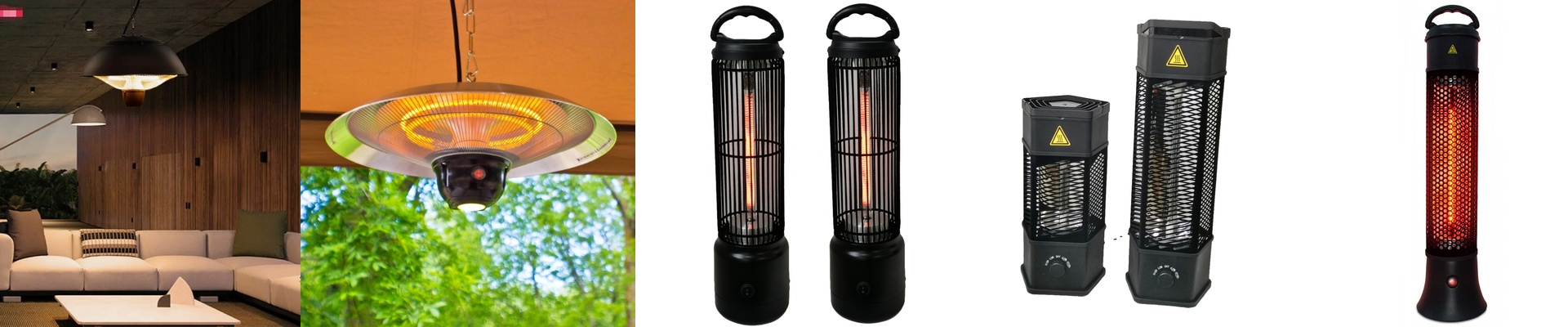
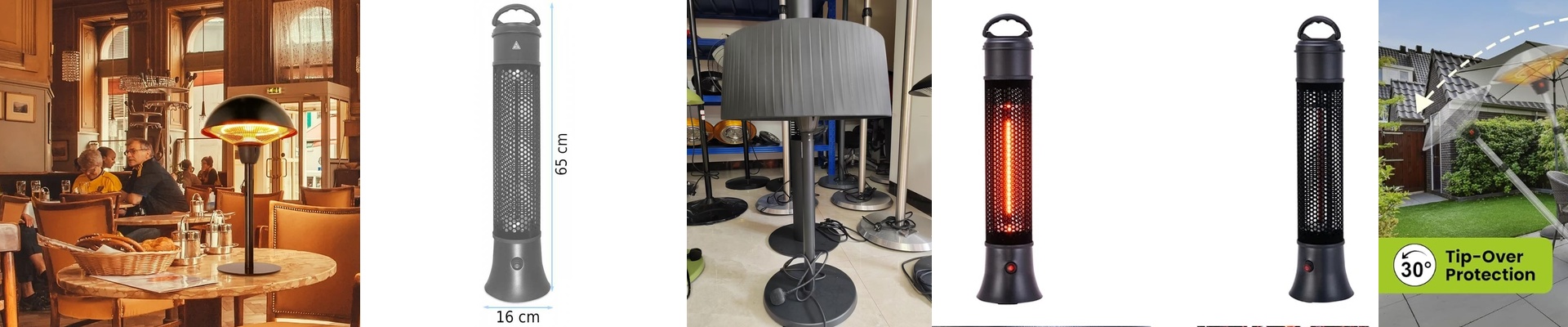
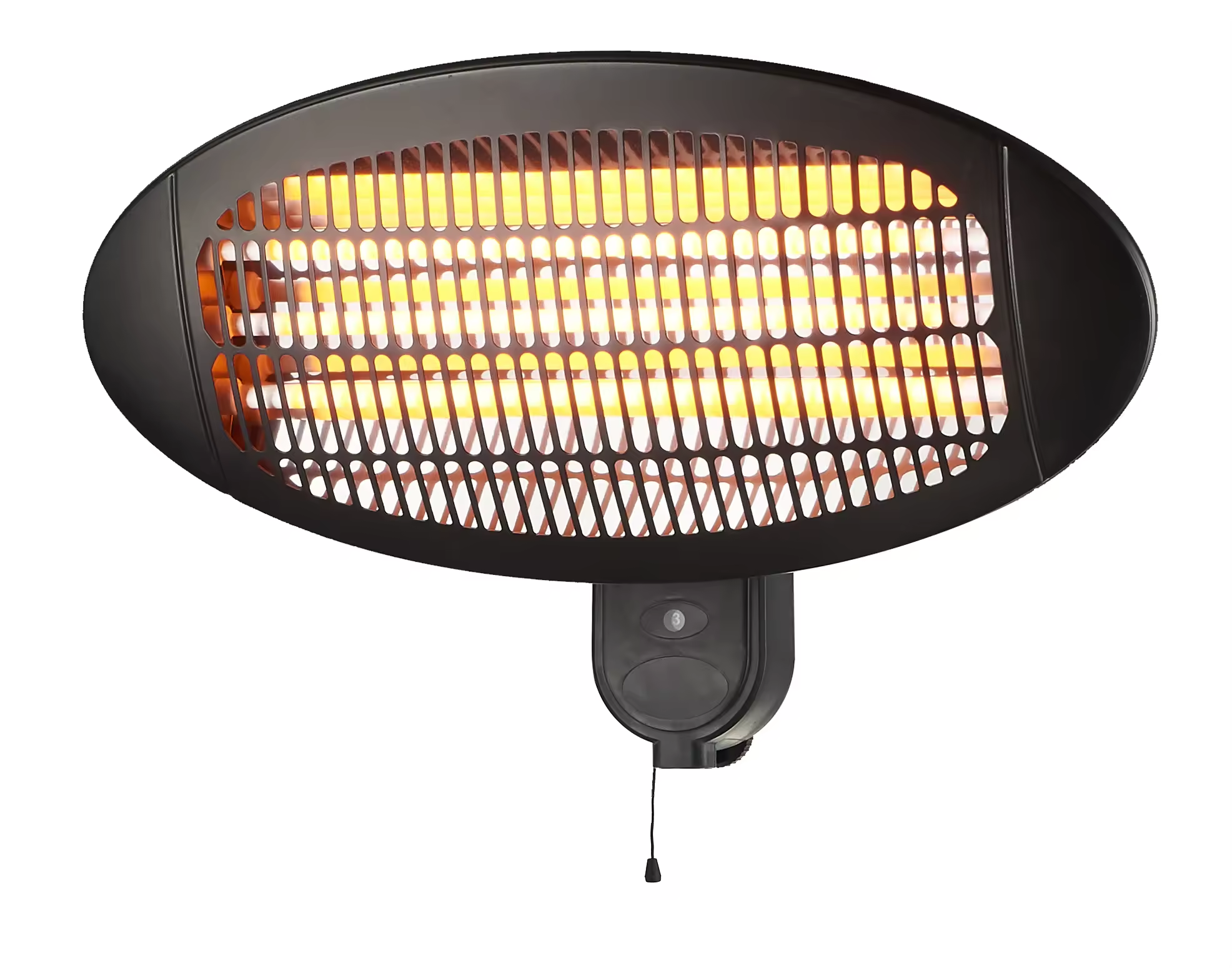
Let’s be honest: an empty patio in November is just a waste of space. Most restaurant owners try to fix this with those big gas heaters, but they’re mostly just heating the wind. It’s a money pit. We do things differently. We use shortwave infrared. Instead of trying to warm up the entire outdoors, we heat the people and the furniture directly. It’s the difference between trying to warm a room with an open window and sitting in a patch of sunlight on a crisp day. It keeps your tables full, even when it’s freezing outside.
Built for the Mess
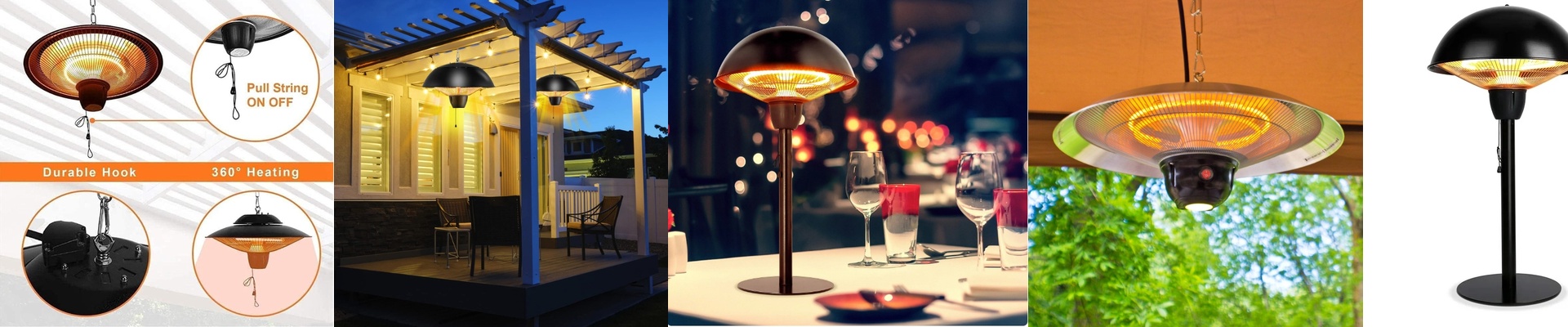
Outdoor gear gets hammered. Between the rain, the dust, and the humidity, a cheap heater usually lasts one season before it quits on you. That’s why we stick to the IP55 standard. In plain English? The housing keeps the dust out and can handle water jets hitting it from any angle. You can mount these under your awnings or on exposed ceilings and not spend your whole night worrying about a storm shorting out your system.
How the Heat Actually Works
Think about how a campfire feels. You don’t wait for the air around you to get warm; you feel the heat on your skin the second you step closer. That’s infrared. It travels at the speed of light and doesn’t drift away the moment a breeze kicks up. You flip the switch, and you’re warm. Period. We use high-density quartz elements so the heat spreads evenly across the whole table. No one likes that weird feeling where their face is roasting but their toes are numb. We make sure it feels like a consistent, warm blanket over the entire seating area.
The Bottom Line (and a Warning)
When people are cold, they leave. It’s that simple. By zoning your heat, you can make sure your guests stay comfortable, which means they stay longer and order that extra round of drinks. But here is the catch: these arrays pull a lot of power. Before you start wiring everything up, please—for the love of your sanity—check your breaker panel. If you overload the circuit, your heaters will trip right in the middle of the Friday night dinner rush. Talk to your electrician about the load requirements for the number of lamps you’re installing. Get the phases balanced, and you won’t have to worry about the lights going dark when you’re at capacity.