


Why we put our bathroom heaters through “the sweat box”
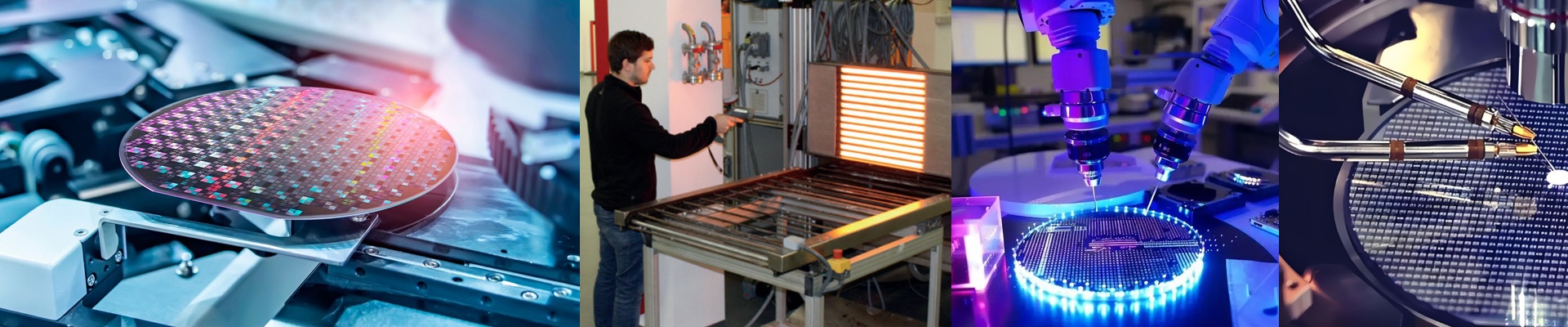
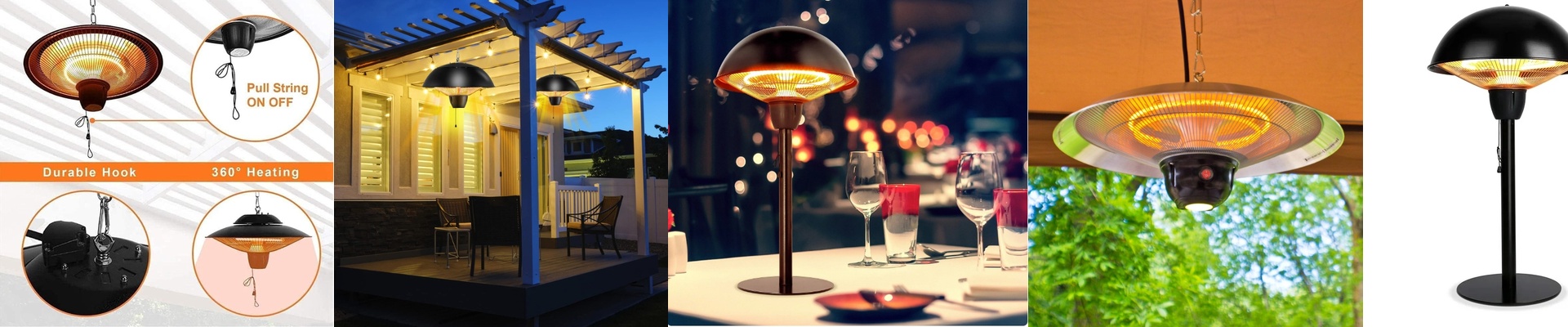
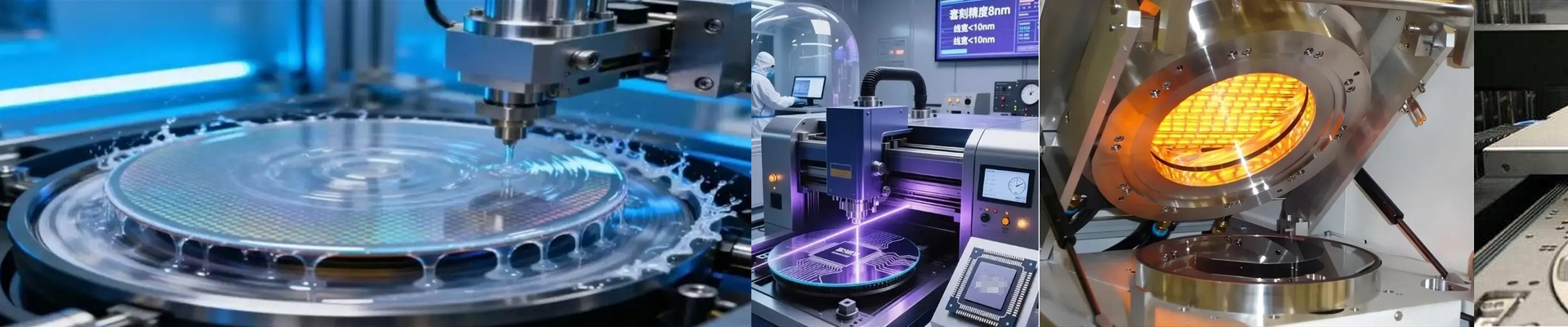
Bathrooms are absolute nightmares for electronics. One minute it’s freezing cold, and the next, you’ve turned the room into a giant sauna. If you’re running an infrared wall heater, that constant switch between bone-dry and soaking wet is a recipe for disaster. The moisture just loves to find a way in, attacking the quartz glass and eating away at the electrical contacts. Here’s the thing about infrared lamps: they usually die at the seal. When steam sneaks past that tiny gap where the quartz meets the metal, it hits the tungsten filament. That’s when things go south—the filament burns out way faster than it should. We aren’t interested in guessing if a seal is “good enough.” Instead, we throw every single batch into high-temperature, high-humidity chambers for hundreds of hours. We basically force them to age years in a matter of days. Then there are the connection points. Moisture causes corrosion, and corrosion creates resistance. When that happens, the heat stops going where it belongs (the element) and starts building up right at the connector. If that connection isn’t rock solid, you risk warping the housing or, even worse, melting a wire. Our tests push these points to the breaking point. We’d rather they fail in our lab than fail in your house six months from now. Now, there is a trade-off. To get through these tests, we use thicker quartz and heavy-duty sealants. It makes the fixture a bit heavier. It also means it takes a few seconds longer to warm up compared to those thin, industrial lamps. But honestly? Waiting five extra seconds for the heat to kick in is a small price to pay for a heater that doesn’t just pop the moment you turn on the shower. We keep a close eye on the wattage and insulation the whole time. If a unit starts acting weird or drifts off-spec, we scrap the whole batch. Simple as that. You just get a heater that can handle the steam without shorting out.