

Keeping Your Infrared Heaters Safe in Damp Spots
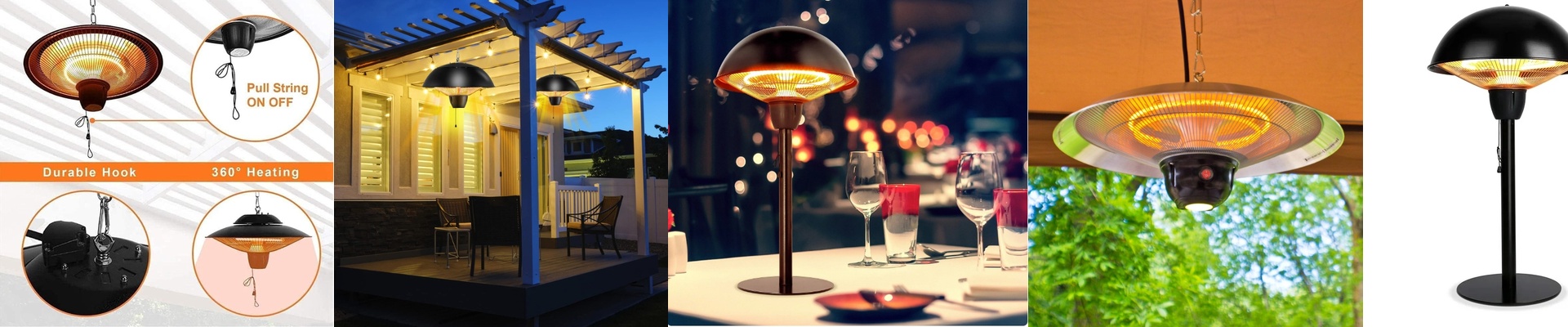
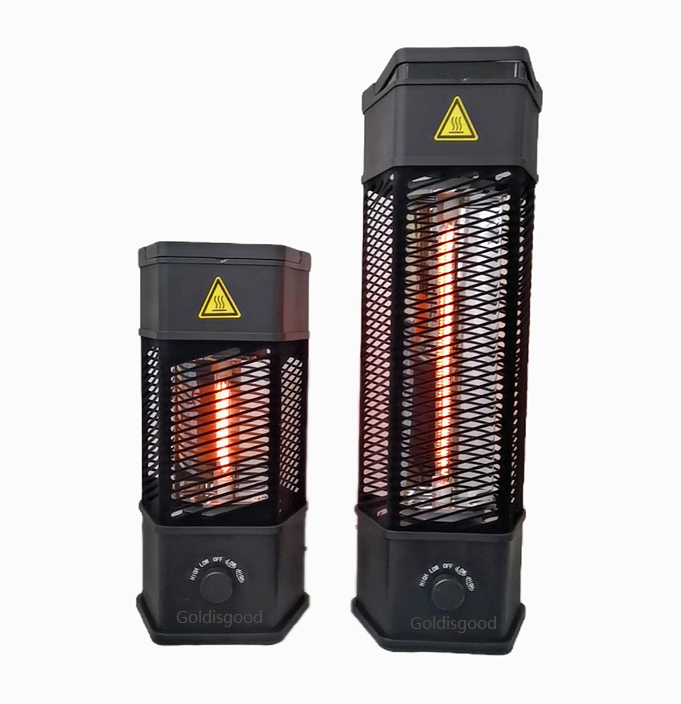
Let’s be honest: putting infrared heaters in a bathroom or a steamy patio is a bit of a gamble. You’ve got high voltage and heavy moisture in the same room. When steam creeps into the housing, it creates a bridge for electricity to travel where it shouldn’t—usually straight into the metal frame. Not great. To stop that from happening, we rely on a mix of sealed barriers and the right enclosures.
Why Moisture is the Enemy
Here is the thing about damp air. It loves to settle on quartz tubes and electrode connectors, forming a thin film of water. That film basically invites the current to jump. If you’re using standard R7s or SK15 sockets without a proper seal, you’re asking for an arc. We fix this by using high-temp silicone gaskets and potting the terminals in epoxy. It keeps the electrical path isolated. It’s a high stakes game. If you’re running 230V and that potting compound fails, you aren’t just looking at a tripped breaker. You’re looking at a potential shock the moment you touch the chassis.
The Gear That Actually Works
We use double-walled quartz tubes with special coatings. This stops moisture from clinging to the glass in the first place. But the real danger is at the connection points. That’s where things usually fail. We wrap those in adhesive-lined heat-shrink tubing. When it heats up, it melts and bonds directly to the wire jacket. It’s basically a waterproof wall against steam. Also, check your reflector housing. You want something with an IP65 rating. That’s the bare minimum. It keeps the dust out and ensures a stray splash of water won’t fry your wiring.
The Trade-off: Heat vs. Water
There is a catch, though. When you seal a heater up tight to keep water out, you’re essentially creating a heat trap. All those gaskets and epoxy compounds that keep you safe also keep the heat in. The internal temperature climbs much faster. You also have to watch your mounting brackets. If they aren’t placed right, they can actually pull moisture toward the terminals through capillary action. And if the housing is too cramped? Your lamp will probably burn out way too soon because it can’t breathe.