

Making Your Fab Actually “Smart” with UHP Infrared
If you’re running a modern semiconductor fab, you already know that Ultra High Purity (UHP) heater lamps are the bread and butter of thermal energy. But here’s the thing: just having heat isn’t enough anymore. With everything moving toward Industry 4.0, your heating elements need to do more than just get hot. They need to actually talk to your production cycle.
Getting the Heat Right
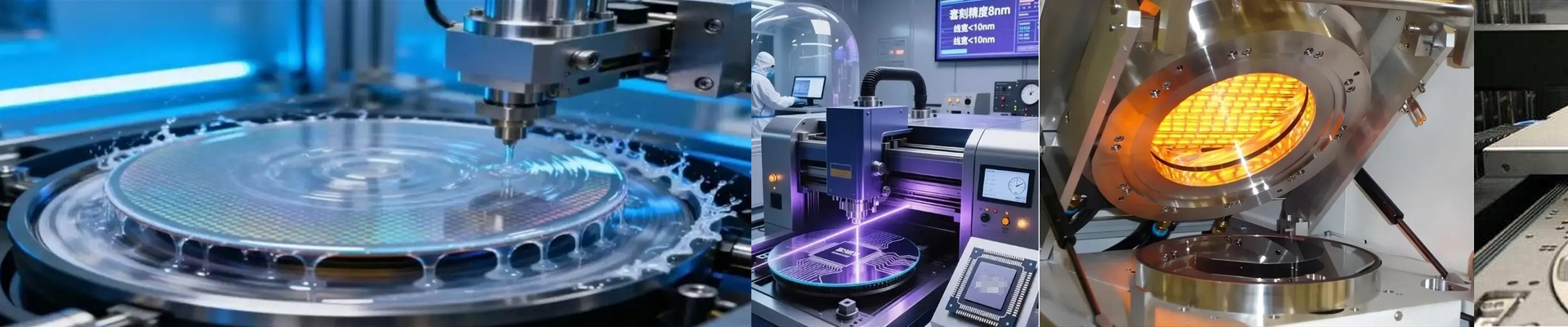
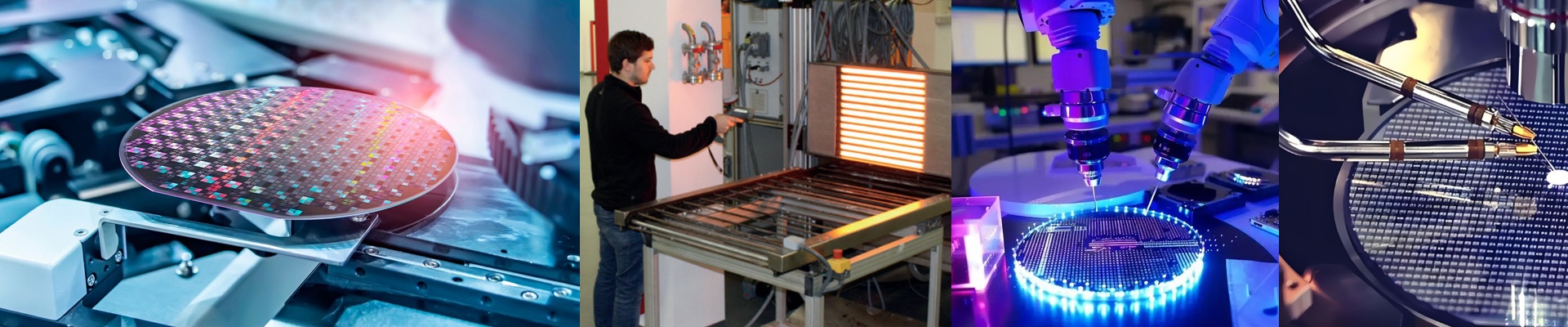
We use shortwave infrared because it’s fast. Really fast. It cuts out that annoying lag between hitting the power switch and reaching your target temp. When you’re dealing with a 300mm wafer, you can’t have “hot spots” or cold patches; it has to be perfectly even across the whole surface. We handle this by tuning the wattage and voltage to fit your specific quartz tube. Now, high-wattage setups are great for cranking up throughput, but a word of caution: check your power supplies. If they aren’t rated for that initial inrush current, you’re going to be tripping breakers during every cold start. And nobody wants that.
Keeping it Clean (and Digital)
In a fab, a single speck of contamination is a nightmare. That’s why we use high-grade synthetic quartz—it stops outgassing from ruining your work. But the real magic happens when you ditch the old analog controls. By pairing these lamps with PID controllers and digital sensors, you get a live feed of thermal data straight into your MES. It’s a lifesaver. You can actually watch the filament degrade over time. Instead of crossing your fingers and hoping a lamp doesn’t blow mid-process and kill an entire batch, the system just flags it for replacement when the output dips. Simple.
The Reality Check
Here is the trade-off: these IR systems pack a massive amount of energy into a tiny space. You can’t just slide these into an old frame and call it a day. The radiant heat is intense. If you don’t recalculate your airflow and cooling jackets, you’re looking at a warped tool housing. Plus, don’t forget about the wiring. You’ll need proper shielding to keep EMI from messing with your sensors. If your data is noisy, your “smart” system isn’t very smart after all.