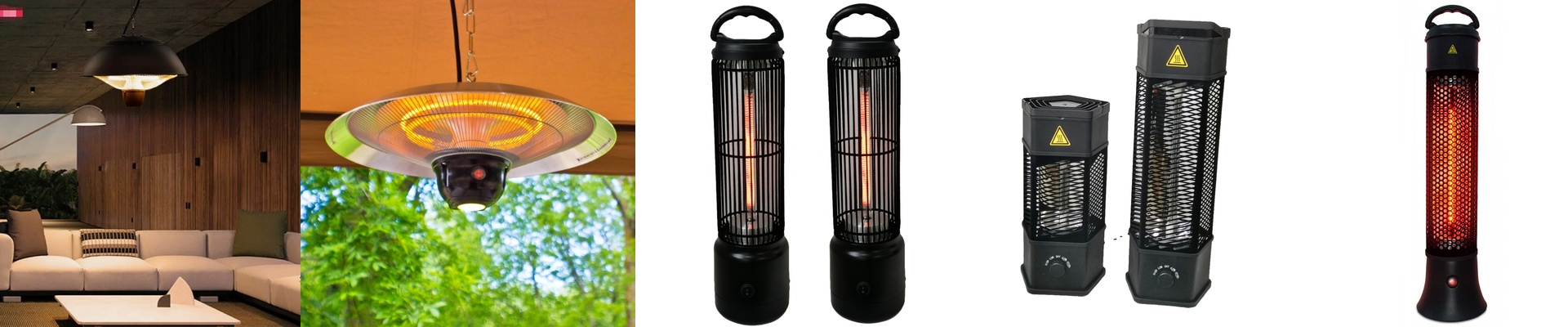
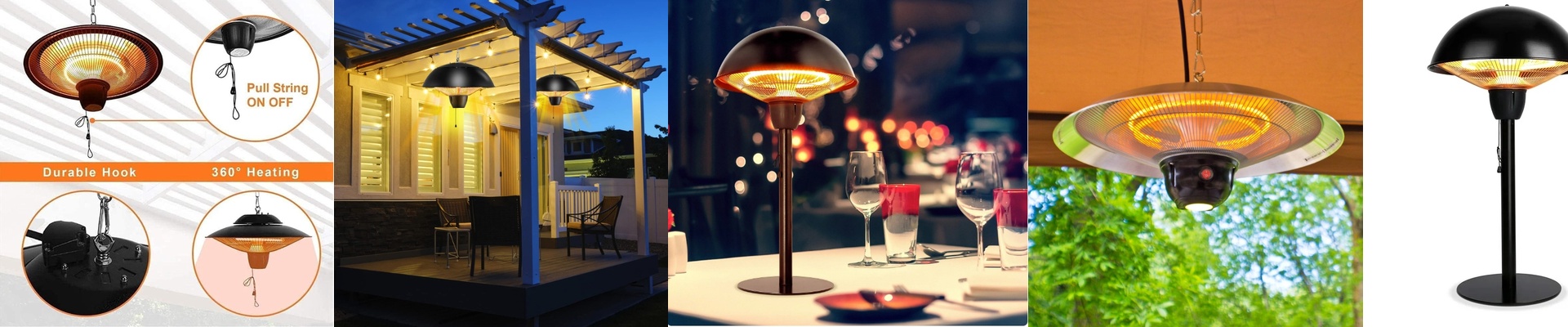
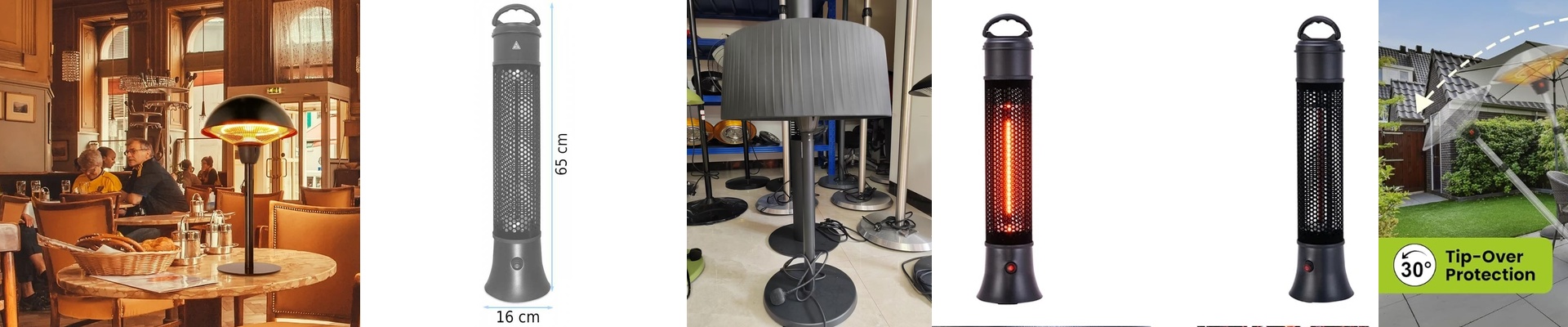
Step onto a busy patio on a brisk evening and you feel it the second the infrared warmth cuts out—the whole mood drops. Guests start shivering, staff scramble to fix it, and suddenly you’re in damage-control mode. Out here, reliability isn’t a nice-to-have. It’s the business.
What matters, technically
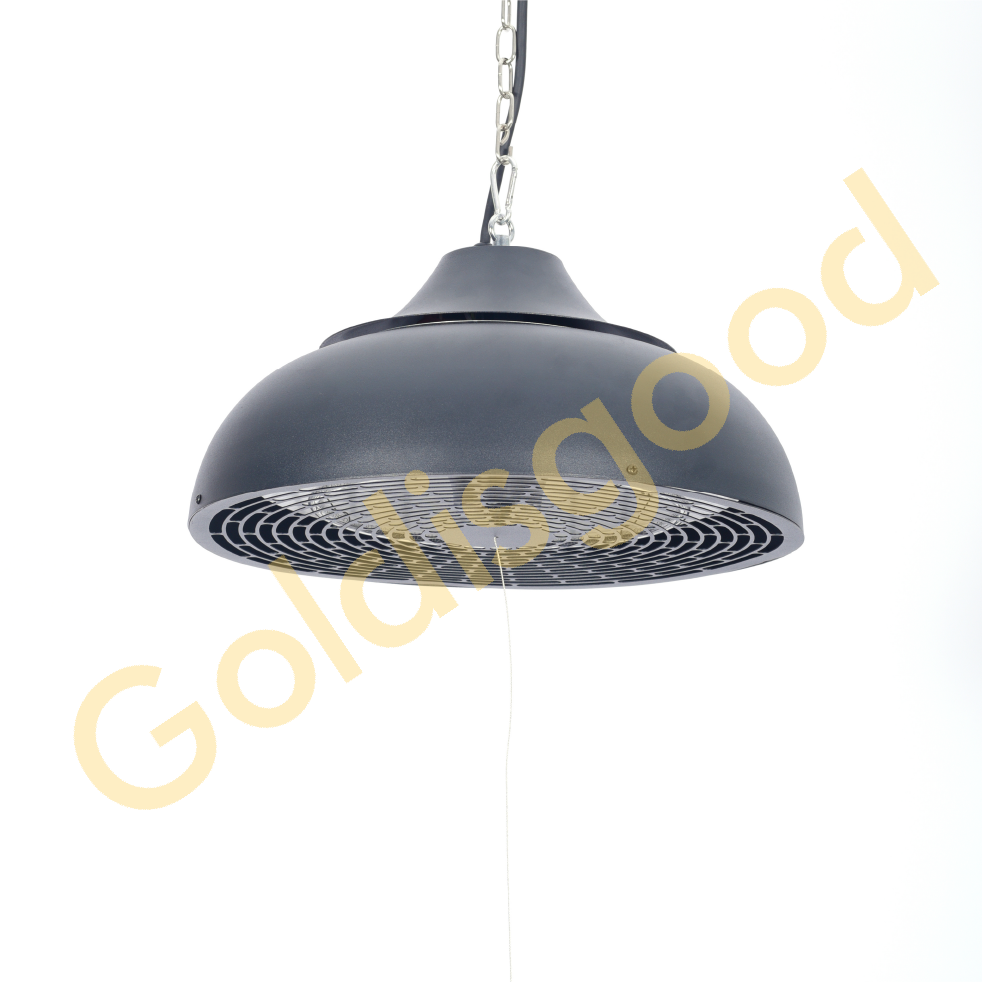
A commercial patio heater earns its keep when the heat hits fast and stays steady. Infrared warmth bypasses the air and sends energy straight to people and surfaces. Many commercial electric heaters run on a carbon fiber element or a quartz tube—chosen for quick response and even radiant output. You’ll typically see standard 120V or 240V options, with power ranging from about 1500W to 5000W so you can match coverage to seating density. Look for a sealed design with an IP rating for moisture resistance, plus tip-over protection for safety. A thermostat or solid control matters, too—keeps output consistent instead of swinging all over the place.
Why this approach holds up
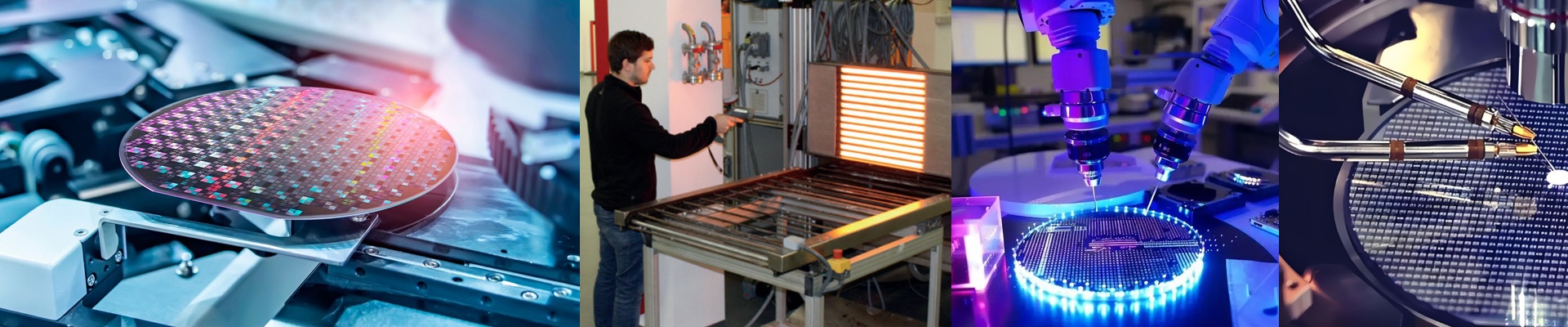
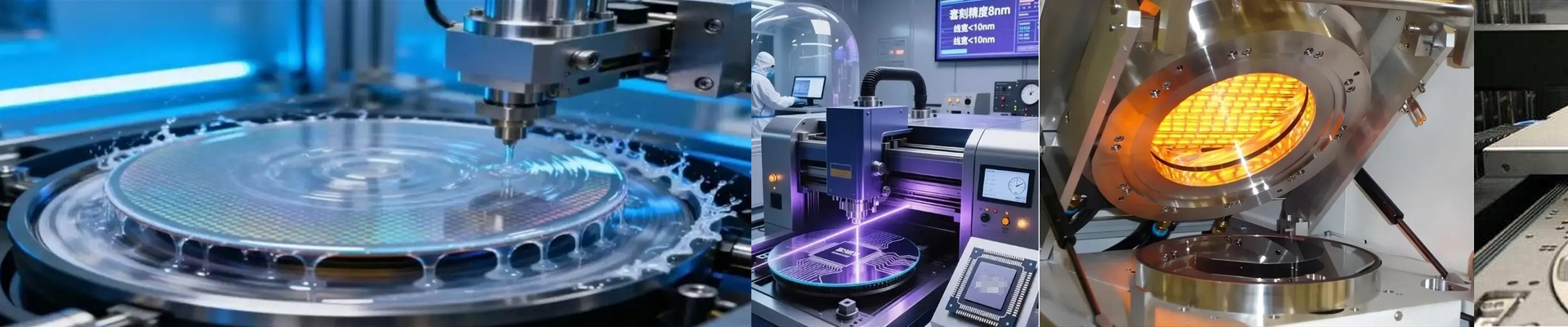
Outdoor heating is punishing. Humidity works its way into joints, condensation forms overnight, and temperature swings make materials expand and contract. That’s why we run each infrared heater through demanding humid-heat aging tests, cycling it in controlled湿热 environments until weak points show up early—before the unit ever hits your patio. The payoff is straightforward: fewer surprise failures, steadier comfort, and a heater that keeps grinding through long service seasons. Guests stay cozy, staff can focus on service, and you avoid the cost of emergency replacements.
The practical details you can’t skip
Even the toughest commercial patio heater needs smart placement. Keep the infrared path clear of obstructions and angle it to warm people, not empty air. Most electric models need a dedicated circuit and proper outdoor-rated connections, so verify voltage and plug type before you finalize the layout. And remember, infrared heats surfaces directly, so pick a heater with a safe outer temperature and a stable base—especially in windy areas where tip-over protection is non-negotiable.