



Stop Letting Your Heaters Trash Your Cleanroom
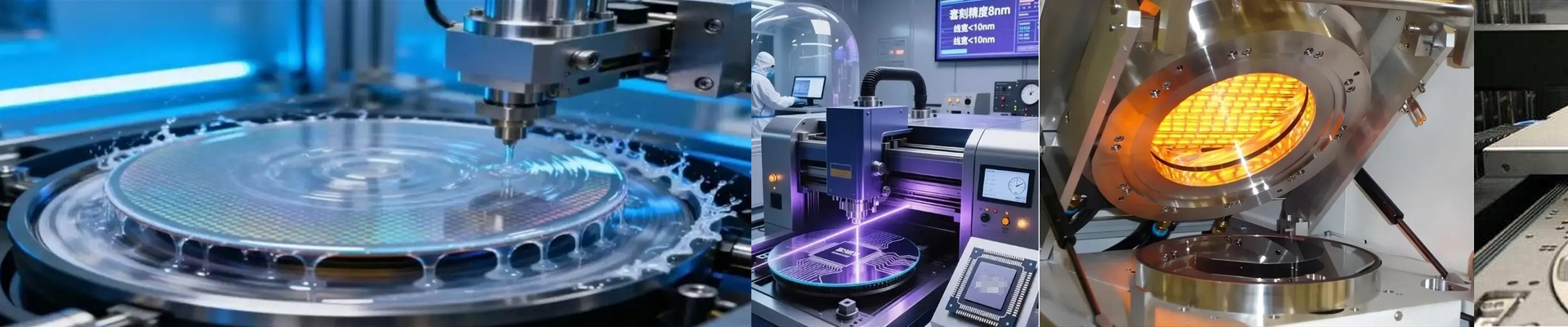
If you’re running a Class 100 (ISO 5) environment, you know the drill. Even a tiny bit of dust is a disaster. The problem is that most standard resistive heaters are basically dust factories—they flake off oxide scales and leak gasses exactly when you need them to be clean. We fixed that by switching to high-purity synthetic quartz infrared lamps.
The Secret is in the Glass
We don’t use standard glass. We use high-purity quartz because it can handle the heat cycling without breaking down into fine powder. It’s fused, which means the surface is smooth and non-porous. There are no little holes or pits for pollutants to hide in. And we’re obsessive about the assembly. No organic binders. No glues. We scrub every single part to get rid of machining oils before anything even touches the assembly line. Here’s a tip: if you buy a cheap lamp with low-grade seals, you’ll deal with “outgassing” for the first 50 hours. It’s a nightmare. Our seals are built specifically to stop that from happening.
Heat That Actually Hits the Target
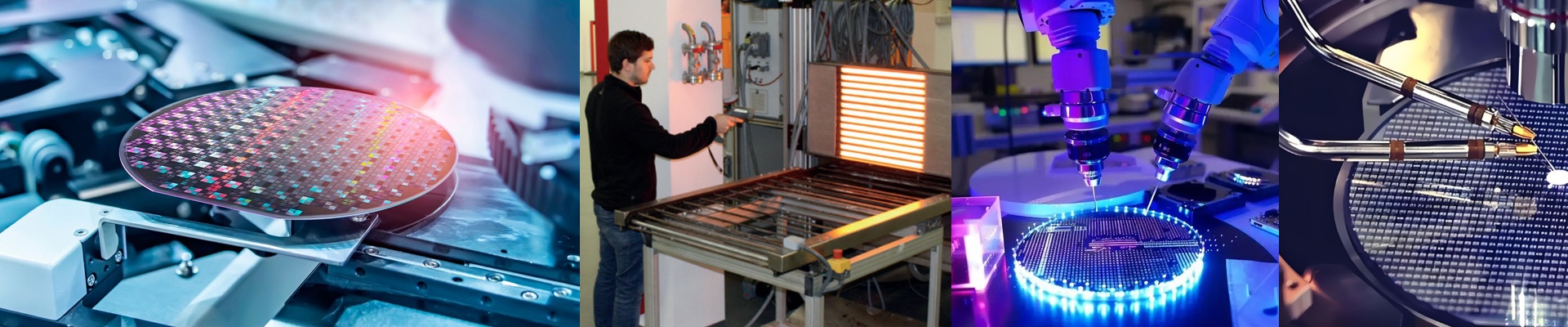
These lamps use shortwave infrared radiation. In plain English? The heat goes straight into your workpiece. It doesn’t waste time heating up the air around it. This is huge because it kills those convection currents that usually kick up floor dust. You get the heat you need without stirring up the room. We have a bunch of different wattage and voltage options depending on how much space you have. If you need to ramp up the temperature fast, go for the high-wattage tubes. Just a heads-up: make sure your power supply is rock solid. A single voltage spike can pop a tungsten filament in a heartbeat.
Getting Them Installed (And Not Breaking Them)
We use standard connectors, so these should slide right into your existing oven racks. It’s a pretty easy swap. But there is one catch. High-purity quartz is brittle. If your team touches the tubes with bare hands, the oils from their skin create “hot spots.” Those spots eventually lead to the tube cracking.**Use lint-free gloves.**Always. It’s the only way to keep the vacuum seal intact and make sure the tubes actually last.