Getting Your Heat Right in the Smart Fab
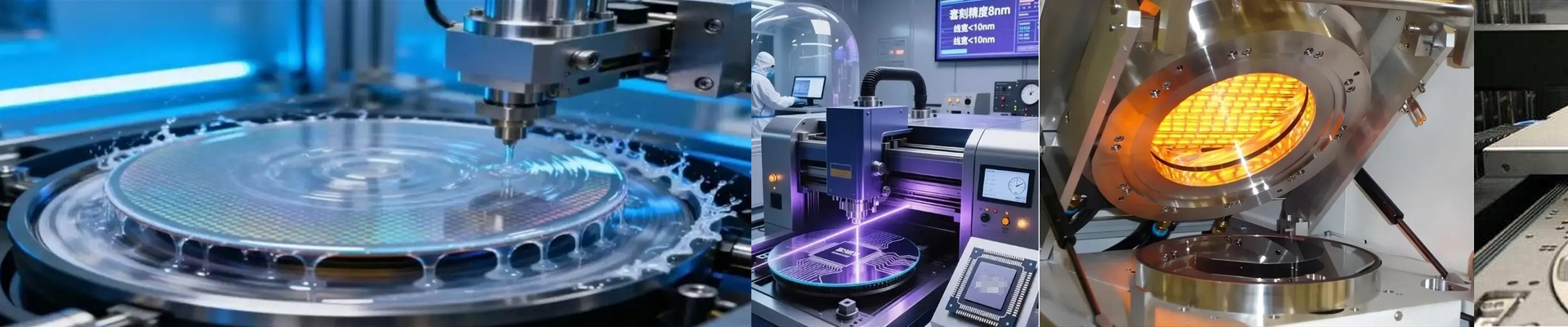
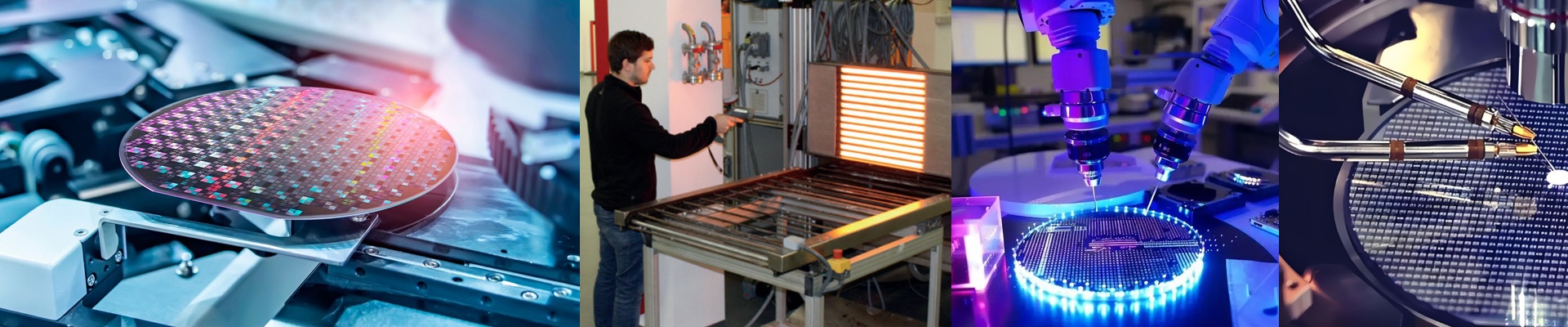
If you’re moving toward an Industry 4.0 setup, you’ve probably realized that the way we used to handle heat just doesn’t cut it anymore. Old-school convection heating is sluggish. It’s like trying to warm up a house with a candle—it takes forever. That’s why we lean on infrared (IR) systems. Instead of waiting for air to move, IR sends heat directly to the target. You hit your temperatures in seconds.**Seconds.**It changes the whole rhythm of the production line.
Making Heat “Smart”
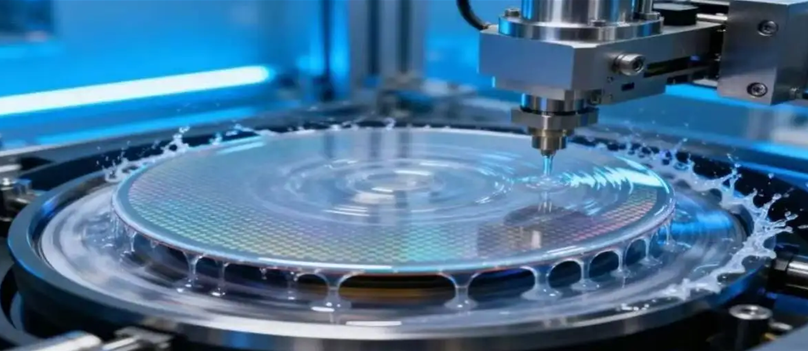
A smart fab is all about data, and IR just fits right in. These systems react the moment you tweak the voltage. When you hook them up to a PLC with PID control, you’ve basically got a conversation going between your sensors and your heaters. The system sees exactly what the wafer or substrate needs and adjusts on the fly. No more guessing. No more overheating. And definitely no more wasting power on heat you don’t actually need. Plus, we keep the footprint tiny. We all know clean room floor space is basically gold. With IR, you get a ton of heat in a small package, and you can throw away those bulky, annoying air ducts.
The Catch (Because there’s always one)
Now, look—high-wattage IR arrays put out some serious heat. You can’t just slide these into an old chassis and hope for the best. You’ve got to make sure your cooling manifolds are up to the task. If your cooling is weak, the heat starts soaking into everything around the emitters. Once that happens, your sensors start drifting, and your accuracy goes out the window. It’s a headache you don’t want.
Why it just makes sense
There’s one more huge win here: no air turbulence. In a clean room, moving air is the enemy. It kicks up particles and messes with your ISO rating. But radiative heating? It stays still. It warms the part, not the room. You get faster ramp-ups, a setup that actually talks to your software, and a cleaner environment. For anyone moving toward an automated, data-driven fab, it’s really the only way to go.