

Why We Use Gold to Stop Wasting Heat
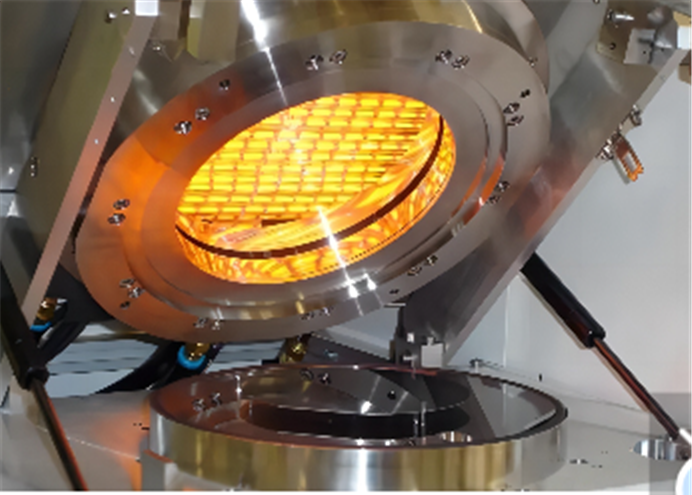
When you’re processing semiconductor wafers, throwing more wattage at the problem isn’t the answer. It’s not about how much power you pump in; it’s about how much of that heat actually lands on the target. That’s why we use gold-coated reflectors. Instead of letting energy leak out into the housing, we use gold to bounce that thermal radiation right back where it belongs.
The secret is in the reflection
Standard aluminum is okay, but it absorbs too much. Gold is different. It’s incredibly efficient at reflecting infrared light. By adding a thin layer of gold to the reflector housing, we stop the equipment from soaking up the heat. Instead, the energy snaps back toward the wafer. You get a tight, focused thermal profile without having to crank the power dial to the max.
Handling the heat
Here’s the thing: when you concentrate energy like this, the heat density on the wafer jumps. It gets hot. Fast. Because of that, you’ve got to make sure your cooling system can keep up with the rise in chamber temperature. If your airflow is sluggish, you might warp the substrate or fry the lamp ends. But there’s a huge upside. Because the reflectors make the wattage more “effective,” you can usually run your lamps at a lower voltage to hit your target temperature. This is a win for your hardware—it keeps the filaments from burning out nearly as fast.
Keeping it clean
These aren’t complicated to install. They’re designed to drop right into your existing heater frames. We also chemically bond the gold so it won’t peel or flake off when the temperature swings up and down. One quick tip:be careful with your fingers. A single smudge of oil or a fingerprint on the surface can create a “cold spot” on your wafer. That leads to uneven curing or deposition, which is a headache nobody wants. Just keep the surfaces spotless, and the radiation path stays clear.