
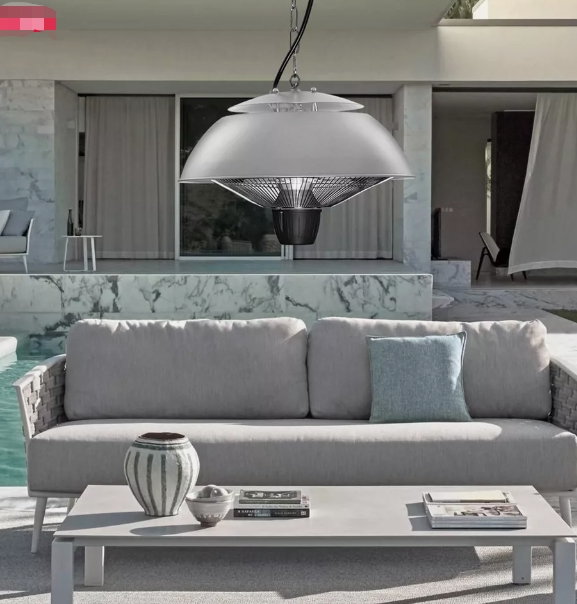
Making Outdoor Heaters Actually Smart (Without Blowing a Fuse)
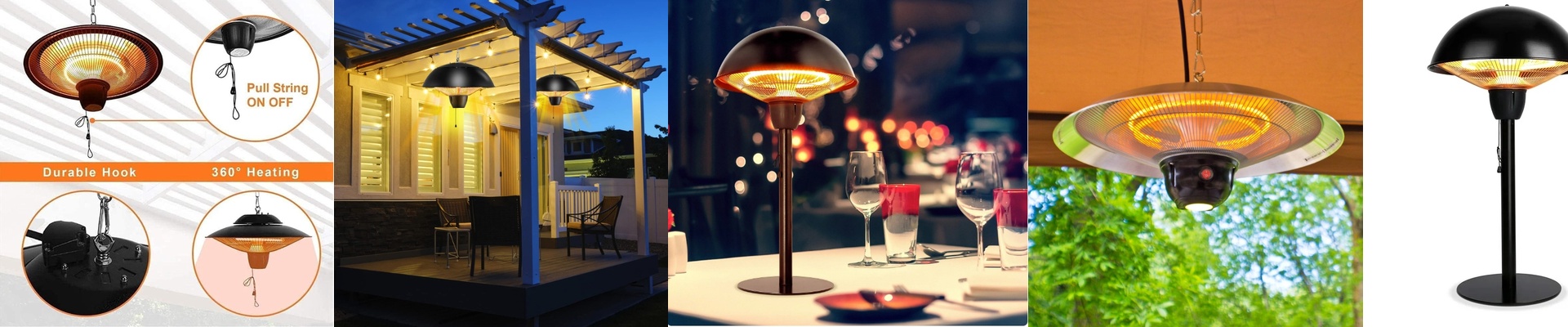
If you want to keep your patio cozy, you need a heater that can handle a rainstorm without shorting out. That’s where IP66 comes in. It’s basically a fancy way of saying the unit is sealed tight enough to survive powerful jets of water and thick dust. It stays dry, and you stay warm.
The Guts of the Thing
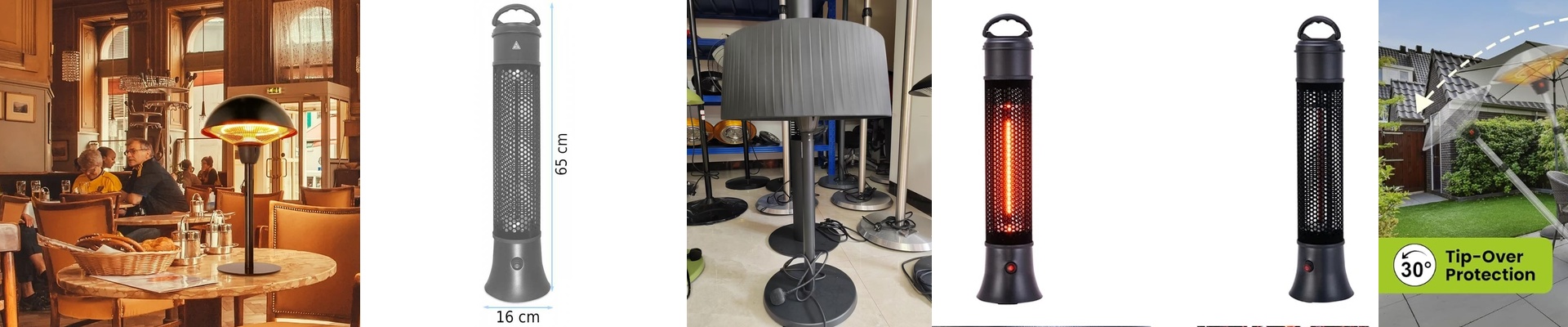
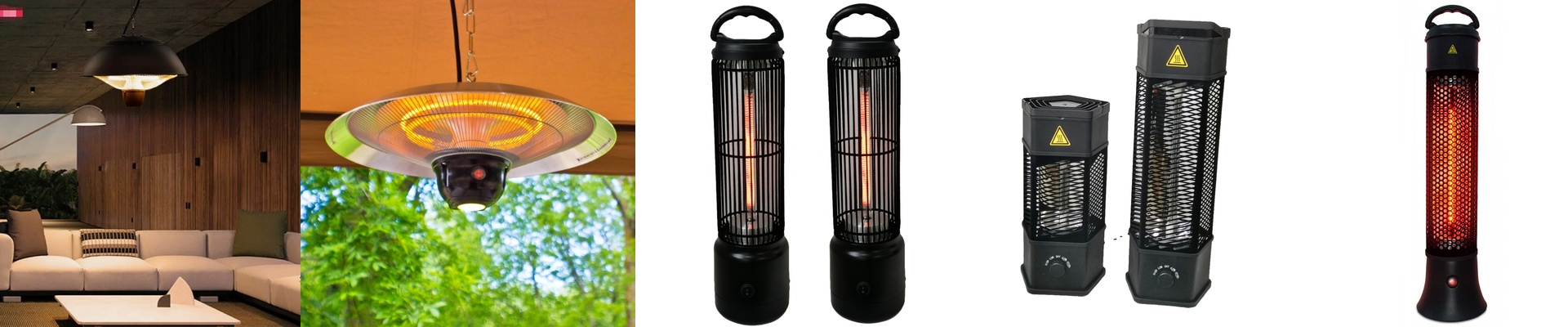
We use shortwave infrared emitters for these. Here is the best part: they don’t waste time trying to heat the cold air around you. Instead, they warm you and your furniture directly. It feels like stepping into a patch of sunlight on a winter day. But making these “smart” isn’t as simple as plugging them into a wall. If you try to use a standard smart plug for a high-wattage heater, you’re going to fry it. Period. To avoid a meltdown, we use heavy-duty relays or TRIAC dimmers. These act as the middleman, letting a low-voltage signal from your Zigbee or Matter hub tell the high-voltage heater when to kick in.
Heat, Right Now
There is nothing worse than turning on a heater and waiting ten minutes to feel anything. Since these infrared tubes have very little “thermal mass,” they hit their peak temperature almost instantly. You hit a button on your app—or your temperature sensor notices a chill—and boom. Instant warmth.
The Trade-off
Keeping water out is great, but it creates a new problem: heat gets trapped inside. Because the casing is sealed tight, the internal electronics can get pretty toasted. To stop the control board from frying itself during a long February night, we use oversized aluminum heat sinks to pull that heat away. Just a heads-up if you’re installing these under a tight soffit:**give it some breathing room.**If you cram it into a tiny space with no airflow, the thermal cutout will trip and shut everything down just when you need it most.