
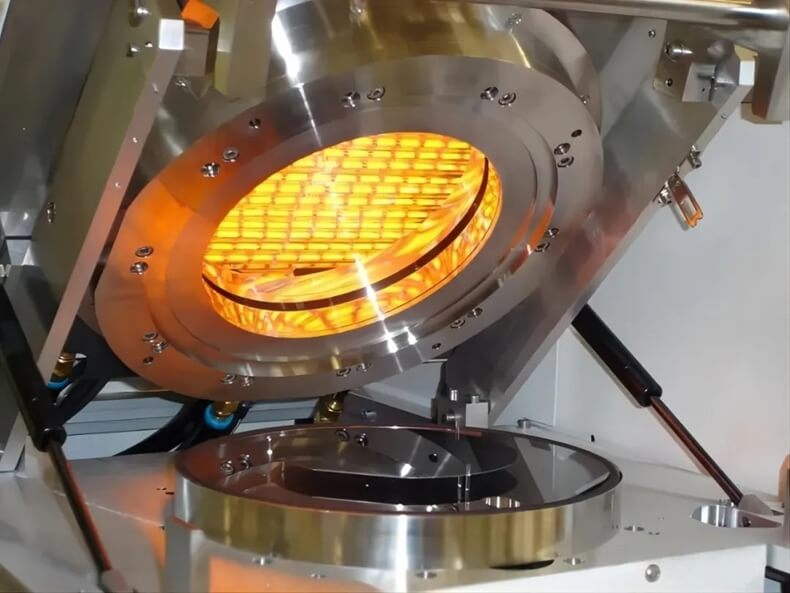
Why we’re switching to Infrared Curing for Lead-Free Chips
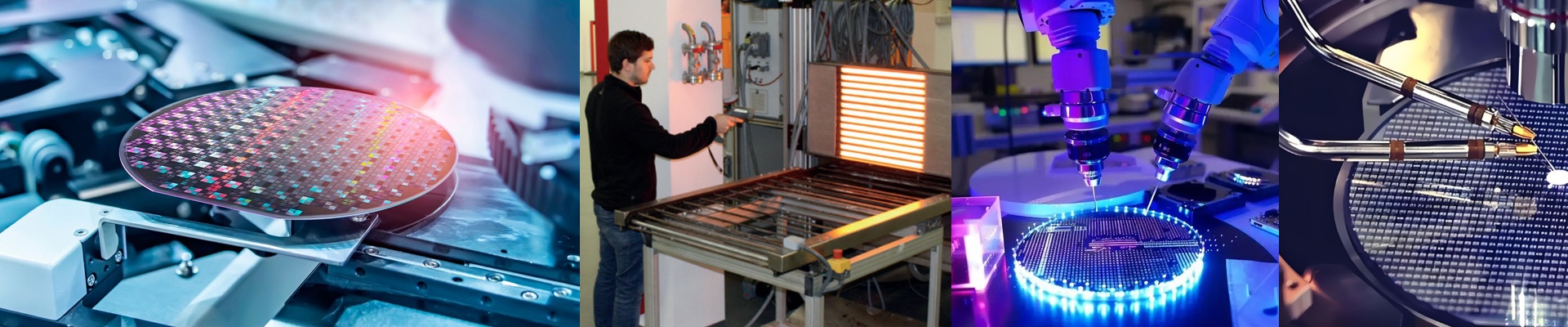
The semiconductor world is pushing hard toward “lead-free” and eco-friendly standards. It’s the right move, but it makes the fabrication side of things a bit trickier. For a long time, we relied on convection ovens. But let’s be honest: heating up a giant box of air is slow. It’s a waste of energy. That’s why we’ve moved to infrared (IR) curing. Instead of warming the air, IR sends energy straight to the wafer surface. No chemical solvents, no heavy consumables. Just clean, direct heat. How it actually works Think of it like the sun hitting your skin on a cold day. You don’t need the whole atmosphere to warm up to feel the heat; the photons just hit you. IR does the same thing. It targets the wafer specifically, which means we aren’t wasting power heating up the entire chamber. Plus, since nothing actually touches the wafer, you don’t have to worry about mechanical gunk or contamination ruining a batch. It’s just… cleaner. The balancing act: Distance and Heat Here’s the tricky part. The gap between the IR lamp and the wafer is everything. If you mount the lamps too close? You’ll get hot spots or even burn the edges of the wafer. Too far? Your curing time drags on, and your throughput tanks. Nobody wants that. We usually aim for a sweet spot where the heat is intense but uniform. We love using high-wattage shortwave lamps because they ramp up the heat incredibly fast. But you have to be precise with the calibration. You also have to remember that wafers expand slightly when they get hot, so you need to leave a little breathing room. The real-world trade-offs Now, IR isn’t a magic wand. It has its quirks. Since IR works on a line-of-sight basis, anything that gets in the way—like a wafer carrier or a clamp—creates a “shadow.” That means you get cold spots. To fix this, we spend a lot of time tweaking the lamp arrays and adding reflectors to make sure the edges get the same love as the center. And don’t forget the cooldown. Because the heat hits so fast, you need a cooling system that can actually keep up once the wafer leaves the zone. If you don’t get the dissipation right, you’re just asking for trouble.