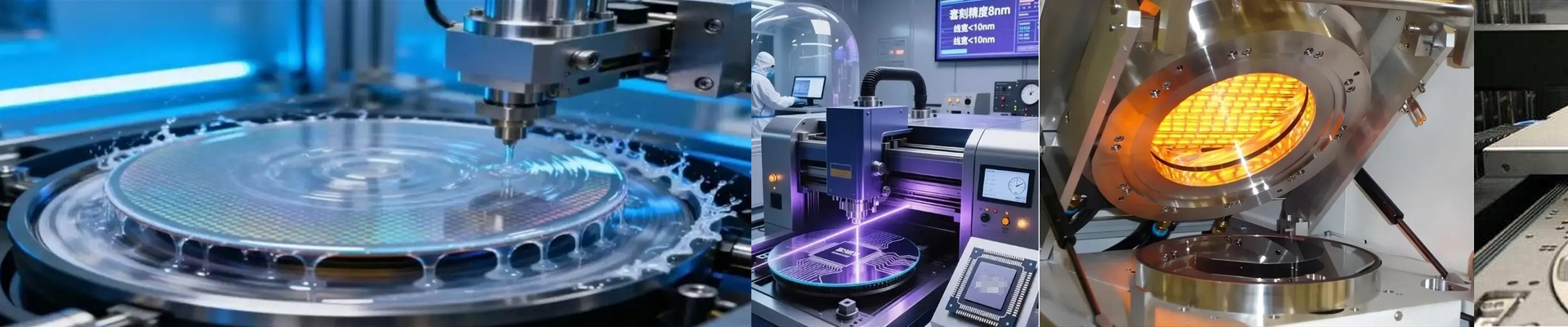
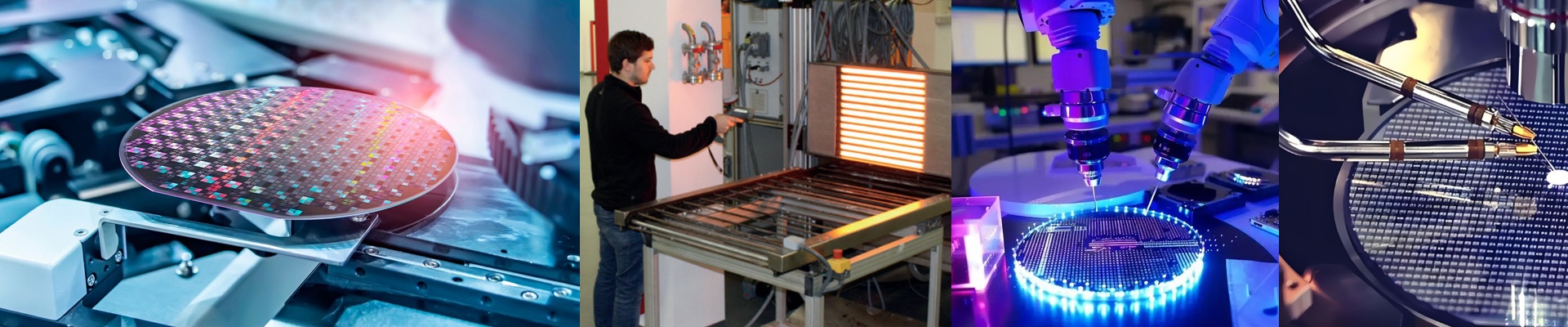
Keeping Your Wafer Curing Clean (And Your Mind Sane)
If you’re running a Class 100 cleanroom, you already know the nightmare. One tiny bit of outgassing or a stray particle shedding from a lamp, and your whole batch is toast. When we sit down to design reflectors and heating lamps for wafer curing, we start with one goal: make sure absolutely nothing migrates onto that silicon surface.
The Secret is in the Quartz
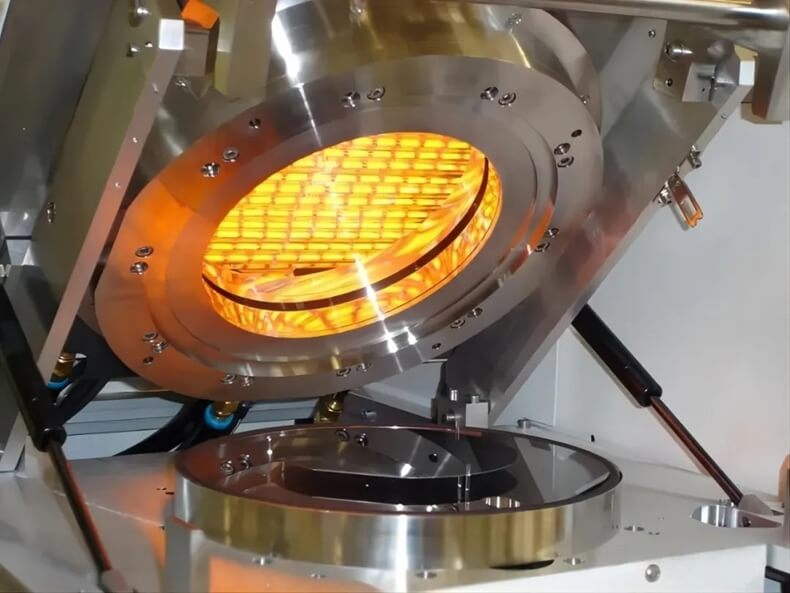
We stick with high-purity synthetic quartz for these lamps. Why? Because standard glass just can’t take the heat. It’ll crack under thermal shock. But the quartz is different. It acts like a clear window for the infrared emitter, letting the shortwave radiation fly right through without getting soaked up. To really get the heat where it needs to go, we pair the lamp with a precision-machined quartz reflector. Instead of letting that energy drift away into the air, we bounce it straight back onto the wafer. It’s efficient. It’s focused. It works.
Stop the “Snowing”
Here’s the thing about standard metallic reflectors: they flake. They oxidize. Over time, they basically start shedding. In a cleanroom, that’s a disaster. We call it the “snowing” effect, and it’s the last thing you want during a curing cycle. That’s why we use high-purity quartz reflectors. They’re chemically inert. There are no coatings to peel off and no metals to rust. It just stays clean.
The Trade-offs (The Stuff Nobody Tells You)
Now, high-intensity infrared curing creates a massive amount of heat. The quartz can handle it, sure, but your chassis? That’s a different story. Your chassis is going to soak up all that thermal energy. If your cooling manifold isn’t beefy enough to pull that heat away from the lamp ends, your connectors are going to fry. Simple as that. If your airflow is too low, you’re just killing the lifespan of your lamp. We designed these to be easy, drop-in replacements for the rigs you’re already using. Just wire them up, dial in the distance to the wafer, and you’re set. You get a steady thermal profile and—more importantly—zero contamination.