Why Infrared Curing is the Way to Go for Lead-Free Semiconductors
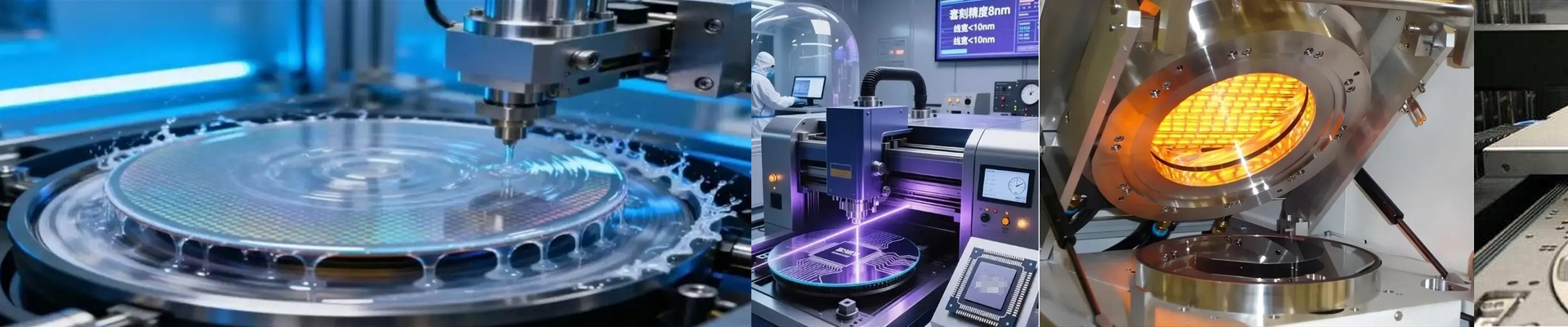
Let’s be honest: the old convection ovens are starting to feel like relics. Most semiconductor fabs are moving toward infrared (IR) curing, and for good reason. It hits those lead-free and eco-friendly targets without slowing down the line. Stop heating the air Think about how a conventional oven works. You heat up the air, and then the air heats the wafer. It’s a middleman approach, and it wastes a ton of energy. IR is different. It uses electromagnetic radiation to send energy straight into the substrate. We’re talking about targeting the specific absorption bands of the curing resins. Instead of turning the whole chamber into a sauna, you only heat the part that actually needs to dry. It’s precise. It’s efficient. And it just makes sense. Hitting that “sweet spot” with temperature Lead-free solders and adhesives are finicky. They need higher temperatures and much tighter windows than the old leaded stuff. If you go too hot? You’ve just fried a chip. Too cold? You get cold joints and a failed part. With IR lamps, you can actually control the ramp-up. You get a steep climb that hits the peak temperature in seconds. This means the substrate isn’t just soaking in heat for ages, which is usually where warping happens. You get in, you hit the target, and you get out. The trade-offs (because nothing is perfect) The best part? Your energy bill drops. There’s no “waiting for the oven to preheat.” You flip a switch, the photons hit the target, and you’re moving. But here is the catch: IR is line-of-sight. If your wafer has a complex shape or deep trenches, you’re going to deal with shadowing. You can’t just swap an IR lamp into a convection slot and call it a day. You have to actually think about the lamp distance and the wavelength to make sure the heat gets through the coating evenly. It takes a bit of planning, but the results are worth it. Keeping it clean Then there’s the environmental side of things. No combustion. No VOC emissions coming off heating elements. No needing lead-based catalysts just to make the reaction happen faster. It’s a clean, electrical process. It just fits right into the current global push for greener fab plants without making the engineers jump through hoops.