
Keeping Your Class 100 Cleanroom Actually Clean
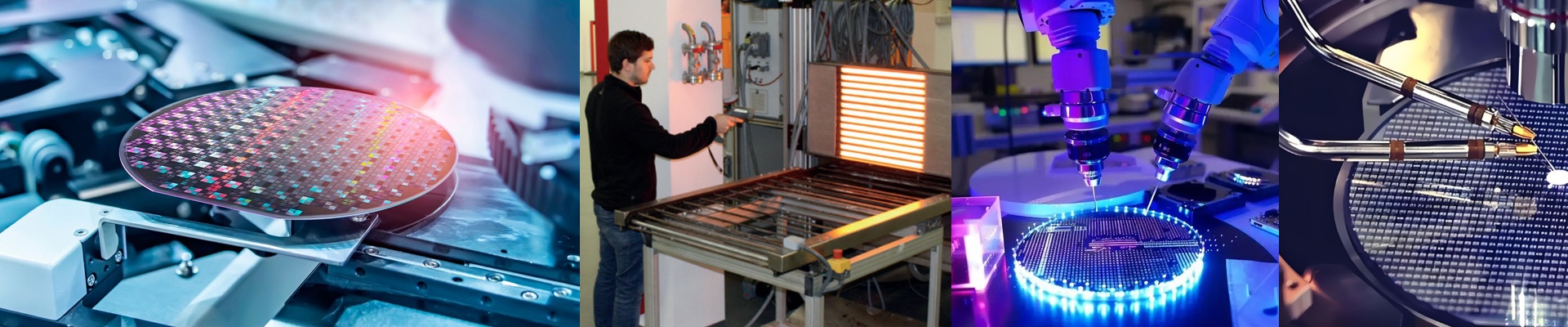
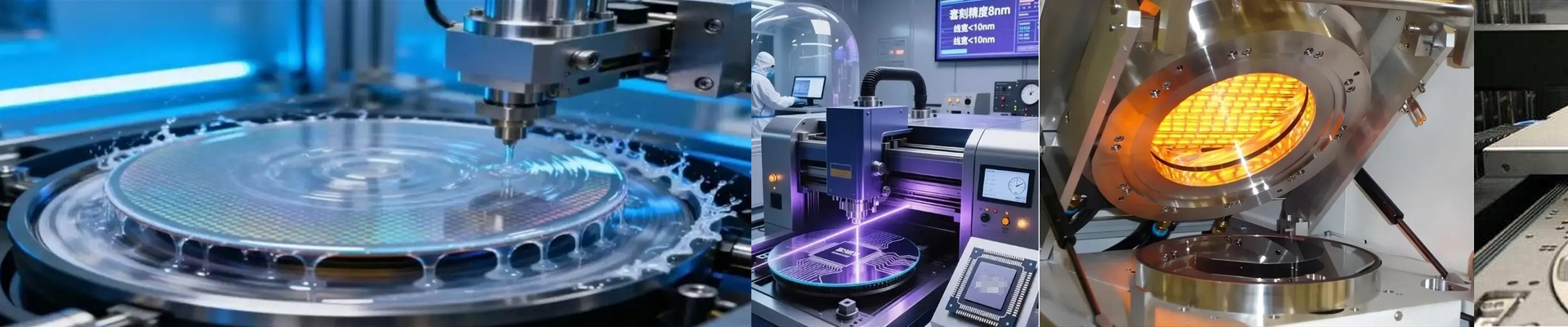
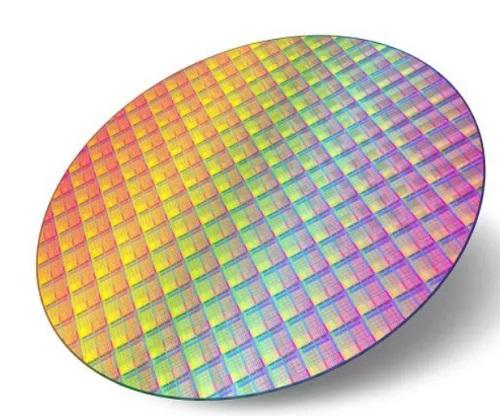
When you’re heating silicon wafers, raw temperature is only half the battle. In a Class 100 environment, one tiny piece of dust is basically a grenade—it can wipe out an entire batch of chips in seconds. That’s why we moved away from traditional resistive heaters. They tend to shed particles and “outgas,” which is a nightmare for purity. Instead, we use high-purity quartz IR lamps. It’s a much cleaner way to work. The secret is in the quartz. We use synthetic fused silica for these lamps. It’s a tough material that doesn’t freak out or leak impurities when you cycle the heat up and down. It just sits there, chemically inert and doing its job. We also focus on short-wave IR. This means the heat hits the wafer surface fast and hard, rather than wasting energy heating up the rest of your tool chassis. Getting the specs right These lamps are built for high power density. To keep them from burning out, we use a halogen-filled cycle. This stops the tungsten filament from evaporating too quickly, which keeps the inside of the lamp clean and helps it last longer. The result? A steady, reliable thermal profile across the whole wafer. But here is the catch: the seals have to be perfect. We use precision-machined end caps to keep everything gas-tight. If a seal fails, oxygen leaks in and the filament pops almost instantly. I’ve seen this happen way too often when engineers try to save a few bucks with cheap, off-spec connectors. Trust me, stick to the recommended tolerances. It’ll save you a massive headache. Making it work in your setup The best part is the “instant-on” heat. You aren’t sitting around waiting for the tool to warm up, which speeds up your whole day. Just keep an eye on your cooling. Because these lamps pack so much heat into a small space, your cooling manifolds need to be up to the task. If your airflow is off, you might end up warping the tool frame or frying your sensor leads. They’re designed to be drop-in replacements for most standard tools, so they’re easy to swap. Just a heads-up: make sure your power supply can handle that initial cold-start current spike. Halogen IR sources hit hard the moment you flip the switch.