

Keeping Things Safe When Heating Volatile Chemicals
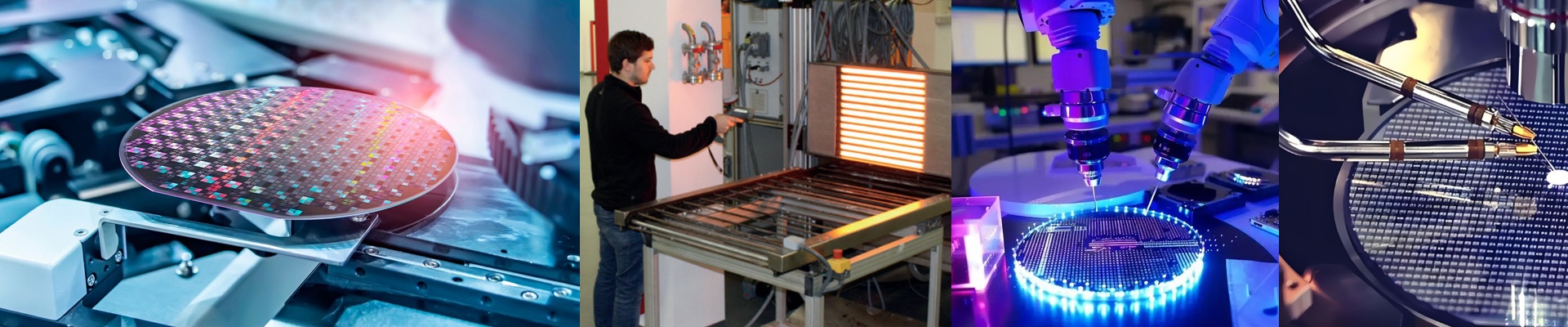
If you’re running wafer cleaning lines, you already know the deal: you’re working with flammable chemical vapors. Now, imagine tossing a high-temperature IR lamp into that mix. It’s a recipe for disaster. That’s why we don’t just “make lamps.” We build our IR systems with specific encapsulation. It’s basically a shield that keeps those nasty vapors away from the electrical terminals and the hot quartz.
How the shielding actually works
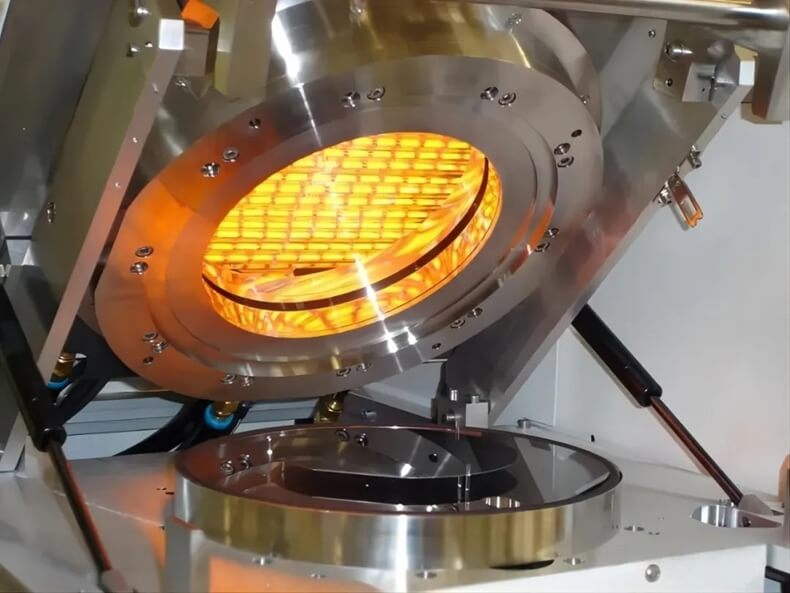
Here’s the thing about standard lamps: they tend to leak heat and electricity right at the pinch seal. In a chemical environment, those leaks aren’t just a nuisance—they’re ignition points. To fix that, we use a hermetically sealed quartz housing. It completely cuts the heating element off from the air. We also use seals that can take a beating from aggressive chemicals, so the envelope doesn’t just crack the moment it hits a thermal shock. And we don’t skimp on the materials. We use high-purity quartz because it can handle the intense heat needed to dry wafers fast without warping. Plus, we pot the electrical connections in industrial-grade resins. It stops corrosive fumes from eating through your wiring or causing a short that could spark a fire. It’s about peace of mind.
Getting the temperature right
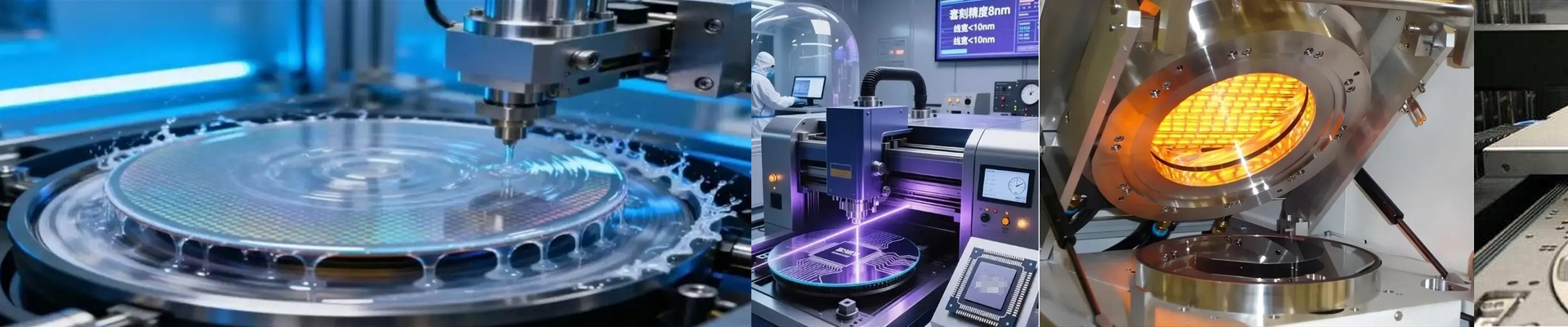
Trying to get a flat temperature profile across a wafer is a pain. If one lamp in your array runs even a little hotter than the rest, you get hot spots. Not ideal. That’s why we keep our wattage tolerances incredibly tight. We also keep the footprint small so they actually fit into those cramped cleaning chambers. Since it’s direct IR radiation, the chemicals floating in the air don’t soak up the heat. The wafer does. Simple.
The trade-offs (the honest part)
Look, this level of sealing makes the lamp assembly a bit bulkier. You can’t just slide these into a standard open-air bracket and call it a day. Before you buy, double-check your chamber clearance. You also need to make sure your cooling fans are actually pulling heat away from those encapsulated ends. If the housing traps too much heat, those internal seals will wear out a lot faster. One last tip: wire it up to a precision controller. You don’t want to overshoot your target temperature and risk damaging your work.