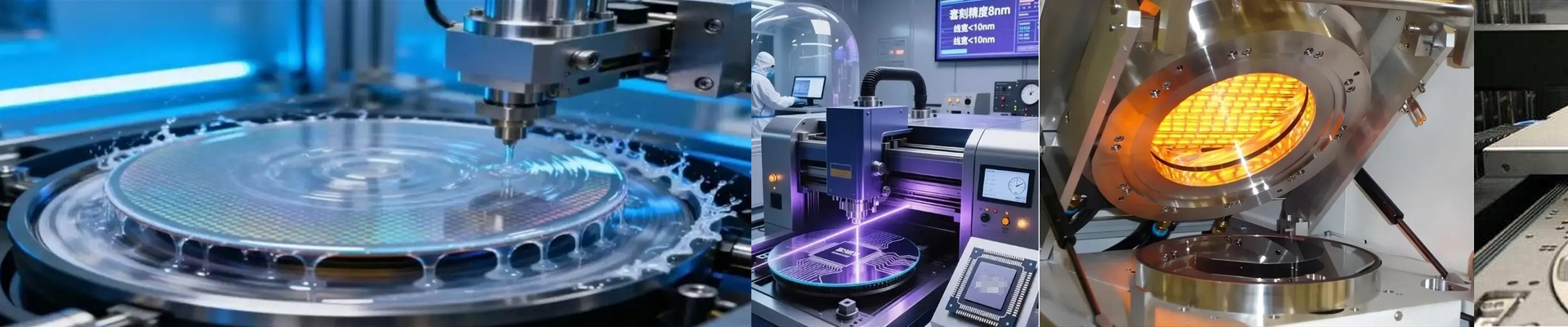
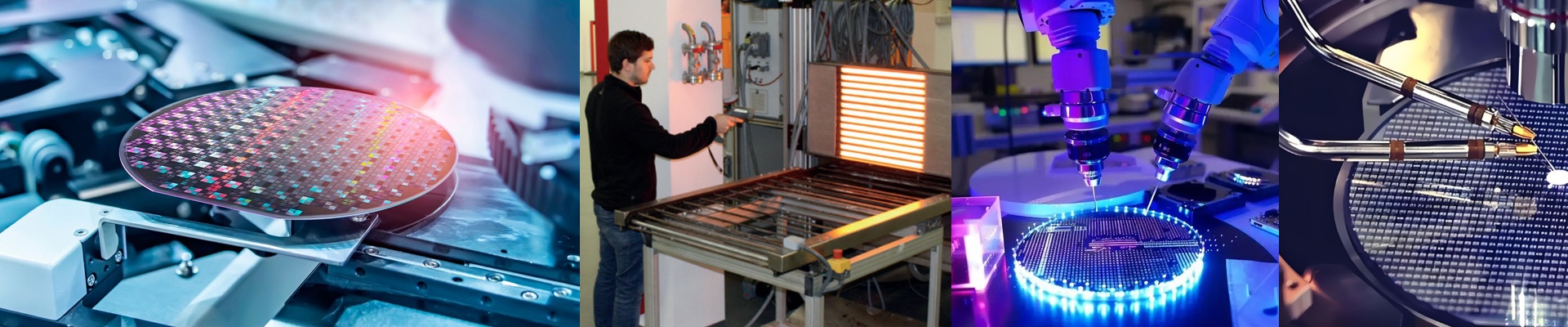
Drying MEMS Wafers Without the Headache
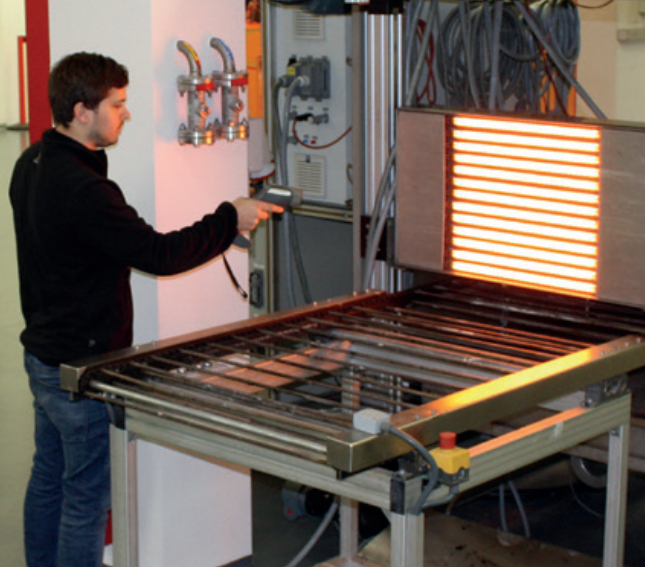
When you’re drying MEMS sensor wafers, you’re walking a tightrope. You need the liquid gone—fast—but if you’re too aggressive, you’ll wreck those tiny, delicate micro-structures. For a long time, people just used big convection ovens. But honestly? Heating up a massive volume of air just to dry a thin wafer is a waste. That’s why we switched to short-wave IR heating lamps. It’s a cleaner way to work, and it keeps the cleanroom’s carbon footprint from spiking. Getting the heat where it actually matters Here’s the thing about IR: it’s all about power density. Instead of warming up the entire chamber, we aim the energy straight at the wafer surface. It hits the evaporation threshold in seconds. No more wasting kilowatts on ambient air. You get shorter cycle times and a much lower electricity bill per wafer. It’s just… efficient. The gear behind the heat We use high-purity quartz envelopes because they let the UV-IR transmission through without blocking it. But not every wafer is the same. Depending on what you’re working with, we add specific coatings to the lamps to tweak the emission spectrum. This is the secret to getting the residue to evaporate without accidentally cooking the wafer. Plus, we use standard industrial connectors. I’ve been there—the last thing you want during a maintenance cycle is to rewire your entire rack. These are just drop-in replacements. Simple. The catch (and how to handle it) Now, short-wave IR isn’t magic; it’s powerful. And with that power comes a bit of a learning curve. You have to be spot-on with your conveyor speed and lamp height. If a wafer lingers under the lamp for even a few seconds too long, you’re looking at thermal stress or warping. Your PLC logic needs to be tight, or you’ll end up burning out your sensors. Moving toward a “Green Factory” isn’t just a buzzword. It’s about getting rid of those energy-hungry forced-air heaters. You end up with a smaller equipment footprint and a real, measurable drop in CO2. It’s a win for the workflow and a win for the planet.