


Making Your Outdoor Heaters Actually Smart
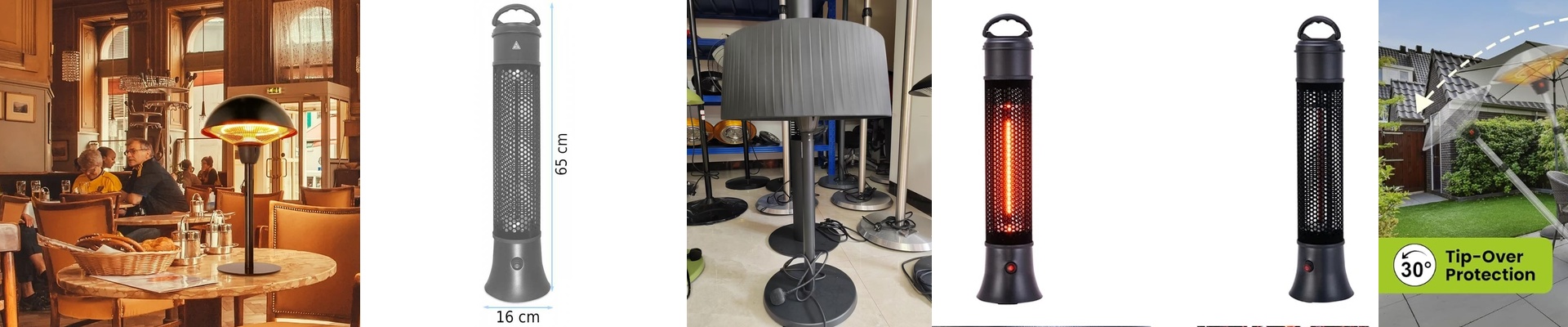
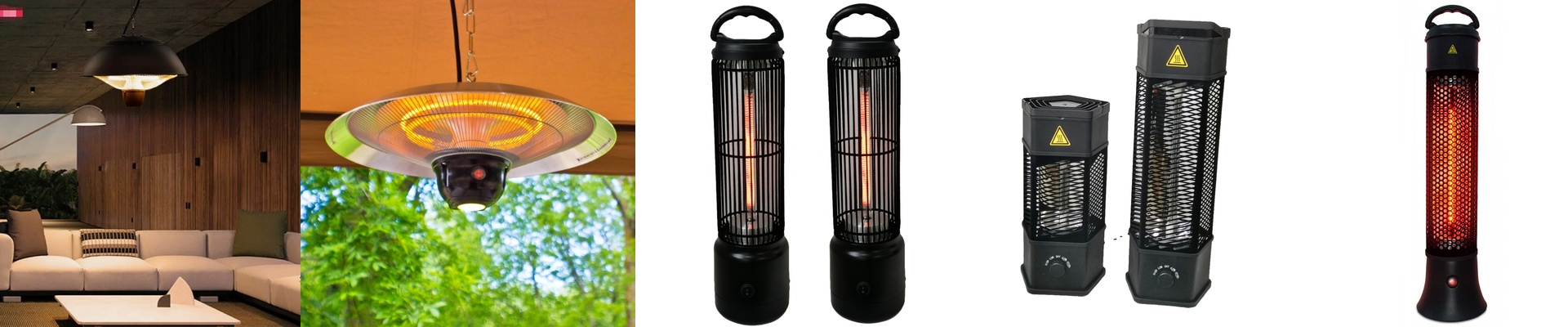
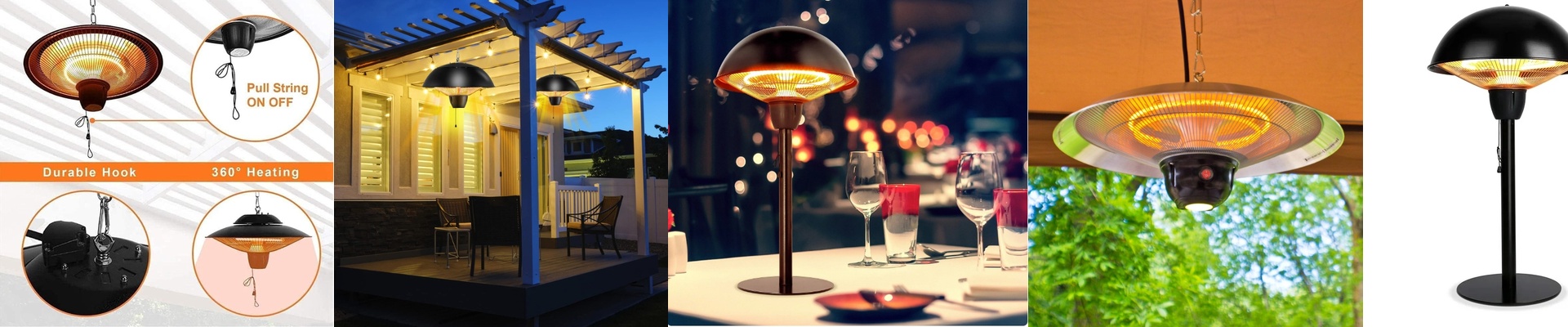
Ever notice how outdoor heaters usually feel like a chore? You have to get up, walk across the cold patio, and fiddle with a switch just to stop shivering. But when you hook up waterproof infrared heaters to a smart home hub, everything changes. The cool thing about infrared is that it doesn’t waste time trying to warm up the wind. It goes straight for you. The second you hit that button on your phone, you feel that warmth hit your skin. It’s instant. How the magic happens To make this work, we basically put a smart “gatekeeper”—a heavy-duty relay or a PWM controller—between your power outlet and the heater. This little device listens to your hub via Wi-Fi or Zigbee. When you tell your house to “warm up the patio,” the relay snaps shut and the lamp hits full power in a heartbeat. No waiting around for a coil to glow. Just heat. Keeping the rain out Since these live outside, you can’t just use any old gear. We look for IP65 or IPX4 ratings. In plain English? It means the housing is sealed tight against rain and splashes. We use silicone gaskets and sealed cable glands to keep moisture away from the electrics. Because if water hits those terminals, you aren’t getting warmth—you’re getting a blown fuse and a very cold evening. The “Gotchas” (Read this part) Here is where people usually mess up: power. Infrared lamps are power-hungry. If you try to run five 2000W heaters off one single smart relay, you’re going to melt your hardware. It’s just too much juice. The smart way to do it is to check your wire gauges and use separate smart switches for different zones. It keeps the load balanced and means if one switch fails, you aren’t left totally freezing. One last tip: check your signal. Thick exterior walls are great for insulation, but they’re terrible for Wi-Fi. If your hub is buried in the living room, your “one-click” heat might lag. You want a strong signal reaching those outdoor receivers so the response feels snappy.