Why you actually need explosion-proof quartz for wet areas
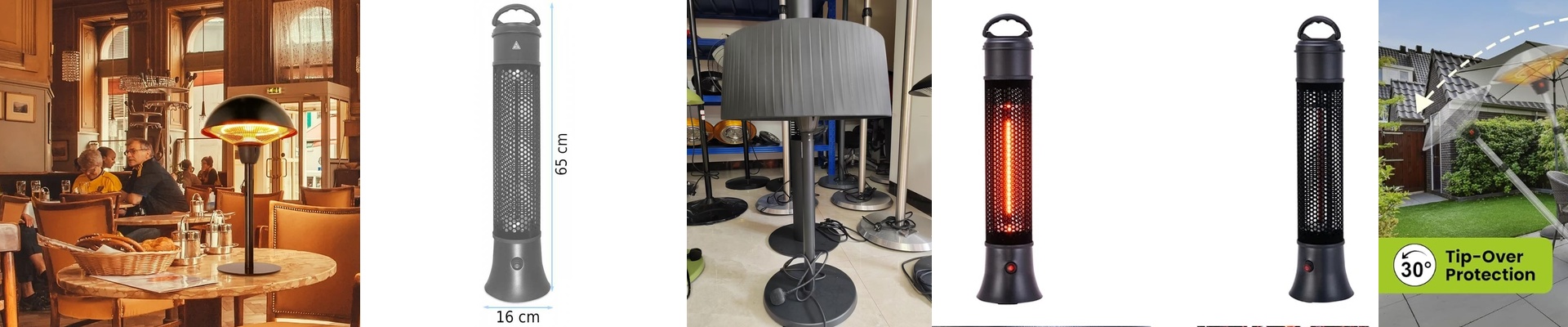
If you’ve ever put infrared lamps in a bathroom or a chicken coop, you know the vibe. It’s humid, it’s damp, and things get hot—fast. Here is the problem: when a tiny drop of cold water hits a red-hot lamp, the glass panics. It shrinks instantly in one spot while the rest stays hot. With regular quartz, that’s usually when you hear a pop and see glass shards everywhere. Not exactly the “cozy” feeling you’re going for. That’s why we stick with explosion-proof quartz. The science of not shattering Look, quartz is generally tough, but it has its limits. When you have a filament hitting 1000°C and a stray splash of water hits it, that temperature gap is just too massive for standard glass to handle. We use a treated version of quartz that can take those sudden shocks. And the “explosion-proof” part? It doesn’t mean it’s indestructible. It just means that if the glass does happen to crack, it won’t blow up into a million dangerous pieces. It stays contained. It’s about peace of mind. The nitty-gritty on materials The secret is really in the purity of the silica. High-purity quartz can be switched on and off a thousand times without losing its strength. Plus, these tubes usually come with specialized coatings. These act like a shield, keeping moisture from creeping into the electrical parts where it doesn’t belong. But a quick heads-up: the tube is only half the battle. You’ve got to check your seals. If your end-caps aren’t rated for moisture, the best glass in the world won’t save you. Throw it in a high-IP rated housing to keep the wiring bone-dry. A few things to watch out for These lamps are great because the heat is instant. They don’t waste time warming up the air; they just beam heat directly onto the surface. It makes drying off or keeping animals warm incredibly efficient. But be careful.These things get scorching. Since they put out so much direct heat, you absolutely need a protective guard. If you mount them too close to a plastic fixture in the bath or some dry bedding in a coop, you’re going to melt or burn something. Just make sure you’ve got a bit of breathing room and some decent ventilation to keep the heat from pooling in one spot.