Stop Losing Money Every Time the Temperature Drops
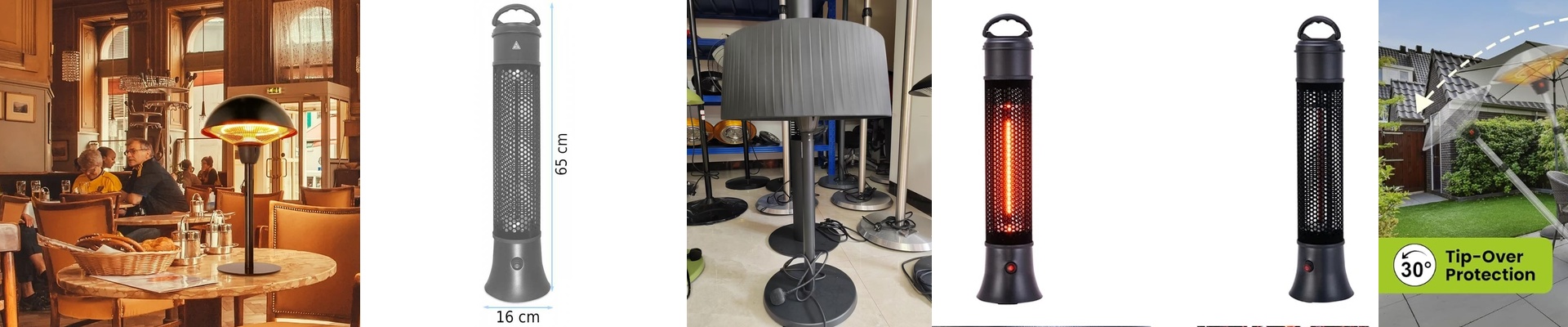
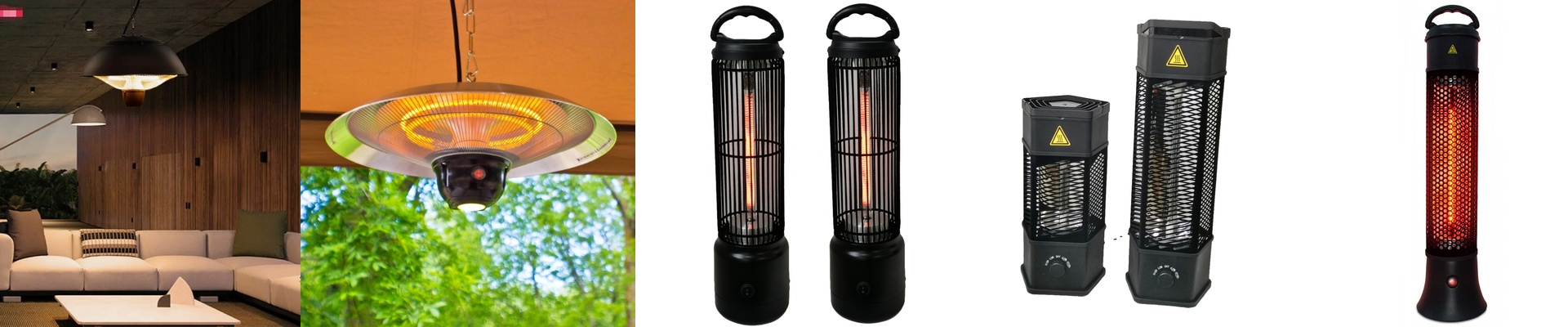
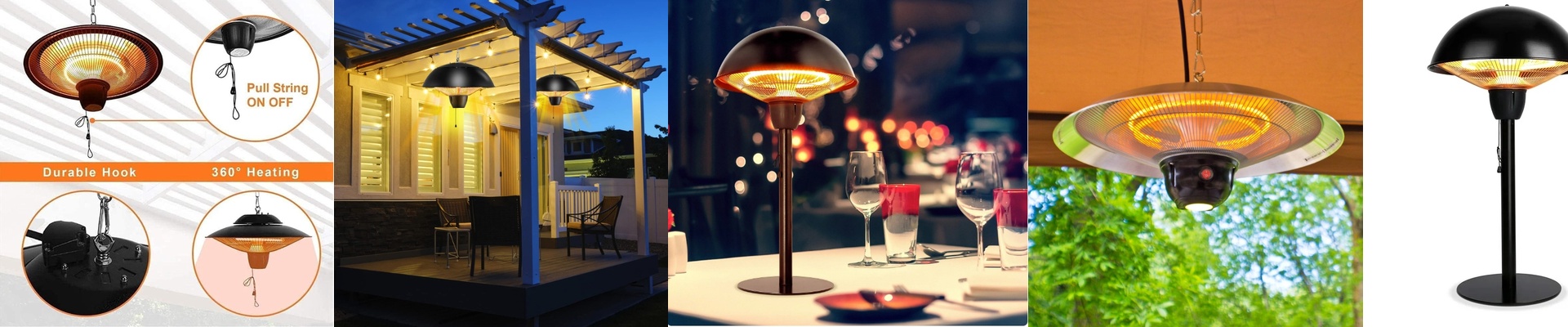
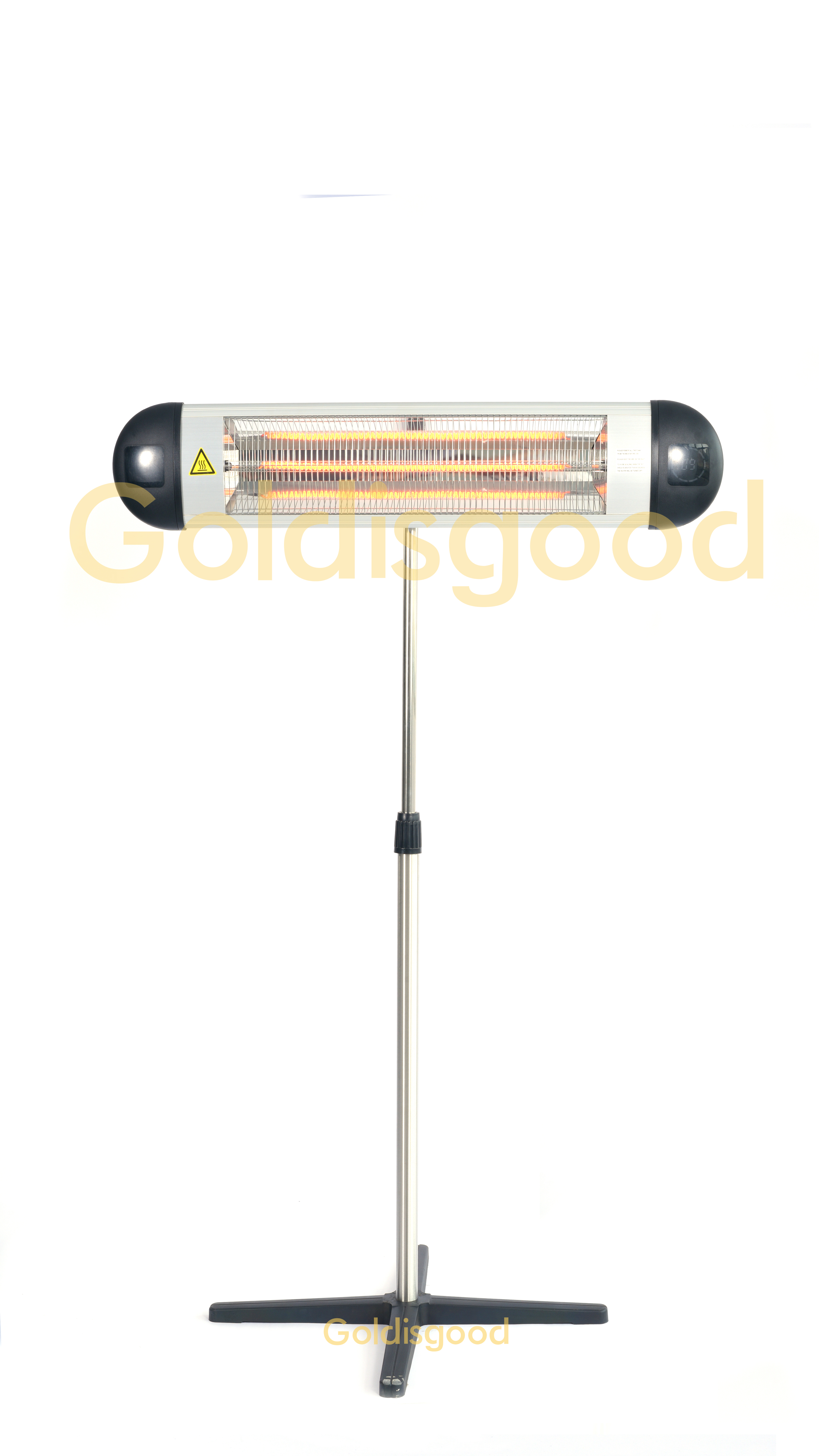
It’s a frustrating cycle. You’ve got a great outdoor space, but the second a chill hits the air, your patio becomes a ghost town. Most people try to fix this with those standard convection heaters, but here’s the problem: they try to heat the air. And since air moves, a single breeze just carries all that expensive warmth right over your customers’ heads. We do things differently. We use shortwave infrared. Instead of fighting the wind, this tech ignores the air entirely. It goes straight for the people and the furniture. It’s the difference between trying to warm up a room with a fan and feeling the actual sun on your skin on a winter day. Real warmth, fast. Our units are built to create these little “bubbles” of heat. Because it’s shortwave radiation, the warmth hits deeper and faster. You can have it freezing outside, but your guests will feel like they’re sitting in a cozy 72°F (22°C) zone. You aren’t wasting money trying to heat the entire neighborhood; you’re just keeping your guests warm. Built for the elements Let’s be honest: the outdoors is brutal on gear. Rain, snow, and grime usually kill electronics pretty quickly. That’s why we used IP-rated housings. They keep the moisture out so you don’t have to worry about short circuits during a storm. We also shielded the heating elements so a bit of debris won’t burn them out, and added heavy-duty reflectors. Those reflectors push the heat down where it belongs, rather than letting it leak up into the sky. The bottom line When people are warm, they linger. They stay for that second glass of wine or order another round of appetizers. It’s simple: comfortable guests spend more. Plus, you get to keep every single table making money all winter long. But, there is one thing you need to watch out for. These heaters pack a punch, which means they pull a lot of power. You can’t just plug these into a regular wall outlet and hope for the best. If your wiring isn’t up to the task, you’re going to be tripping breakers right in the middle of the dinner rush. Do yourself a favor and check your electrical panel. You’ll want wiring rated for a continuous load, and we usually suggest a dedicated circuit for every four units. It’s a small bit of prep that saves you from a huge headache later.