
Stop the Heat Leak: A Better Way to Grow CNTs
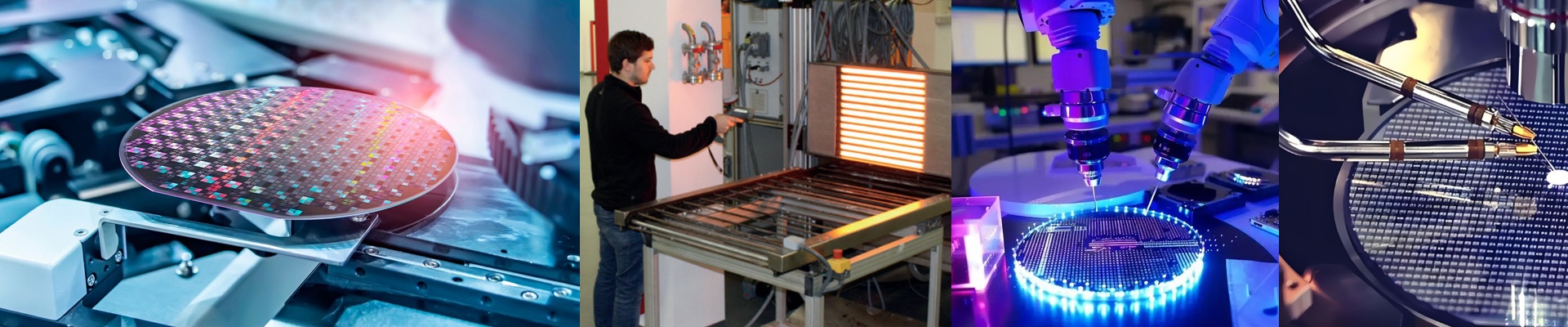
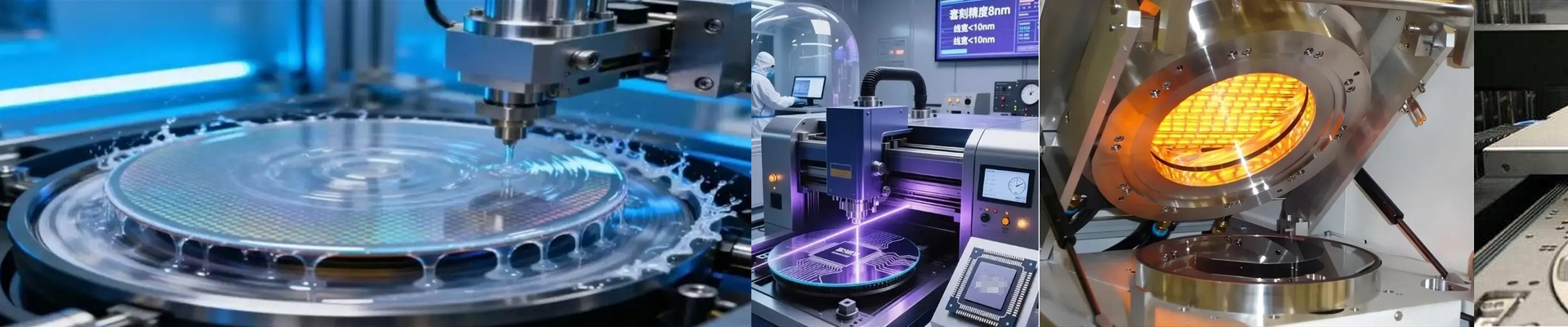
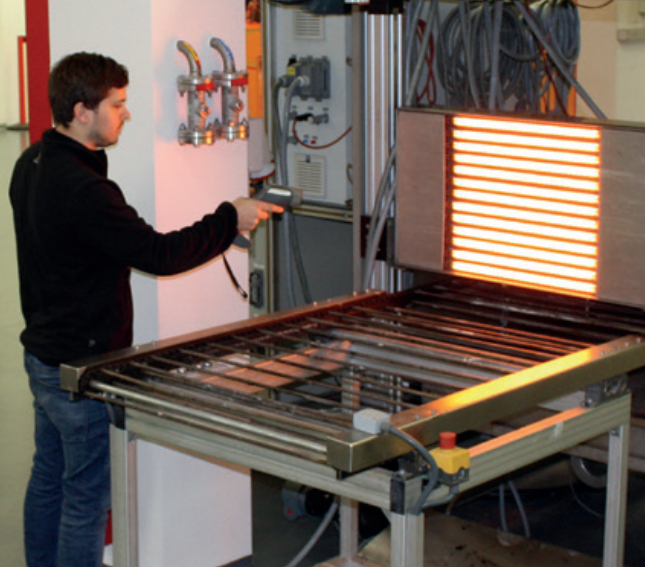
If you’ve ever worked with carbon nanotube (CNT) fabrication, you know the struggle with temperature. It’s a balancing act. The problem is that old-school resistive heaters are messy. They don’t just heat the sample; they turn the entire internal chamber into a giant radiator. It’s a nightmare. You end up with inner walls that are hot enough to burn an operator and a massive amount of energy just vanishing into the chassis. The trick is to stop thinking about “heating the room” and start thinking about “pointing the heat.” That’s why we switched to short-wave infrared (IR) lamps. Instead of relying on convection—which just warms up everything in its path—IR lamps use radiation. Think of it like a flashlight, but with heat. The photons move in a straight line from the filament right to the substrate. The result? Your CNT growth site gets the heat it needs, while the air and the machine’s metal shell stay relatively cool. Getting the setup right To actually grow nanotubes, you need serious heat density. We use high-wattage lamps and play around with the focal lengths to make it work. By tweaking the lamp position and adding reflectors, you can squeeze all that energy onto a tiny strip of the substrate. But here’s the catch: you can’t just plug these in and walk away. You need a sharp PID controller. IR lamps hit their target temperature almost instantly. If your control loop is slow or laggy, you’ll overshoot the mark in a heartbeat. And once you overshoot, your nanotube structure is toast. What happens on the shop floor The best part? Your equipment walls aren’t scorching anymore. It makes the whole machine a lot safer to be around. But it isn’t a magic fix. High-intensity IR is temperamental. If your reflectors are off by even a couple of millimeters, you’ll get “hot spots” on your substrate that ruin the batch. You’ve got to make sure your mounting brackets are rock solid. Any vibration or slight shift in the lamp’s footprint will mess up your thermal profile. Oh, and don’t forget the shielding. You don’t want stray radiation frying your electronics.