
Making Your Backyard Warm (and Smart)
Let’s be honest: nobody likes shivering through a dinner party just because it’s November. But if you’re putting heaters outside, you can’t just hope for the best. You need gear that can actually handle a storm. That’s why we use IP65-rated housings. In plain English? It means your heater is sealed tight. Dust stays out, and when the rain or snow hits, the internals stay dry. It can take a beating from the weather without blowing a fuse or short-circuiting.
Heat That Actually Hits You
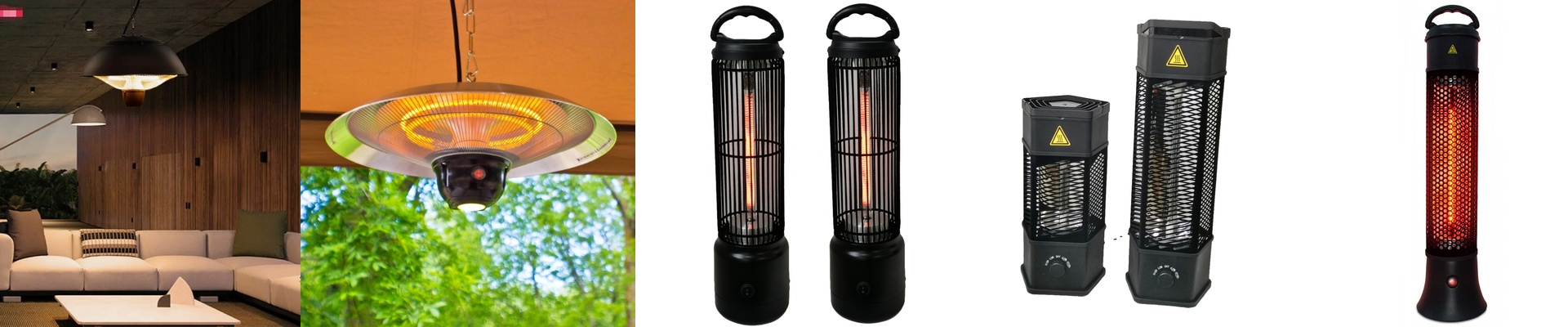
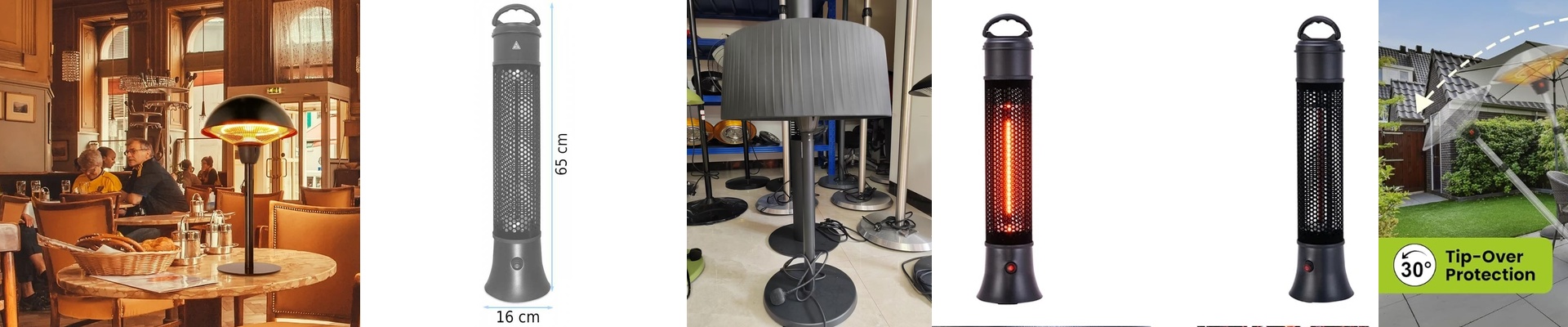
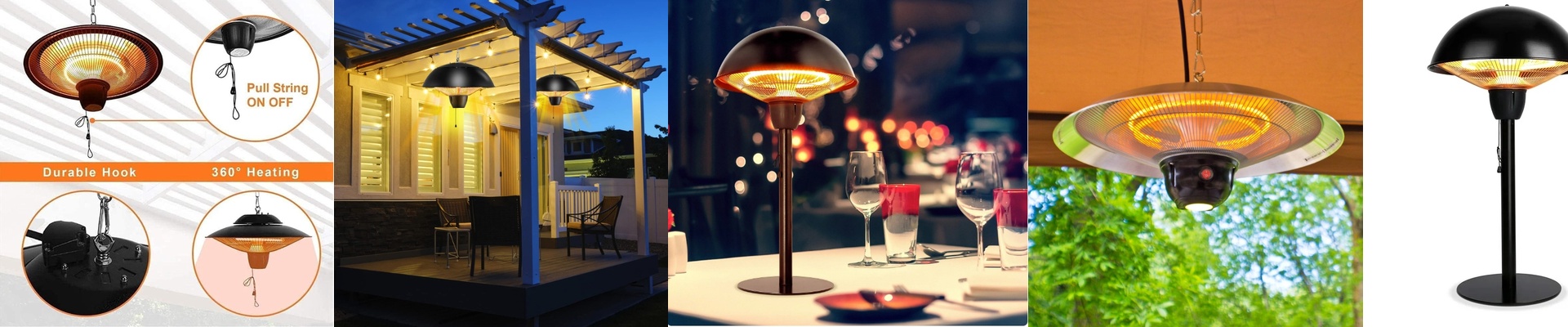
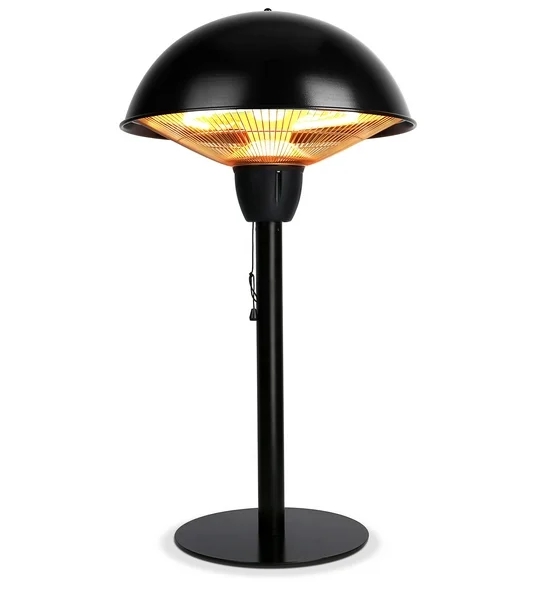
Most heaters try to warm up the air around you. The problem is, if you’re outside, that warm air just floats away. These infrared units work differently. They send heat directly to your skin and your furniture. It’s like stepping into a patch of sunlight on a cold day. And because we’ve linked these to smart hubs using Zigbee or Matter, you don’t even have to get up. You can just trigger a “Winter Mode” on your phone, and the heat kicks in. No waiting for the air to warm up. You feel it the second the lamp glows.
The “Smart” Part
Setting this up is more than just adding a remote switch. We use special relays to keep things steady so you don’t get a massive power surge the moment you flip the switch. You can even get fancy with a temperature sensor. Set it to 10°C, and the heaters will just wake up on their own the moment the chill sets in. It’s pretty great to walk outside and realize the patio is already warm.
A Quick Heads-Up on Power
Here is the catch: these things pull a lot of juice. If you plug three or four 2000W heaters into one circuit, you’re probably going to trip your breaker. It’s a pain to reset your power in the dark. If you’re doing a big installation, do yourself a favor and run dedicated circuits. It keeps the power steady and ensures your heaters are actually putting out the heat they’re supposed to. Once it’s all wired in, you can ditch the manual dials. One tap on your screen, and your frozen patio becomes a place you actually want to hang out in.