

Stop Waiting on Your Vacuum Chamber to Warm Up
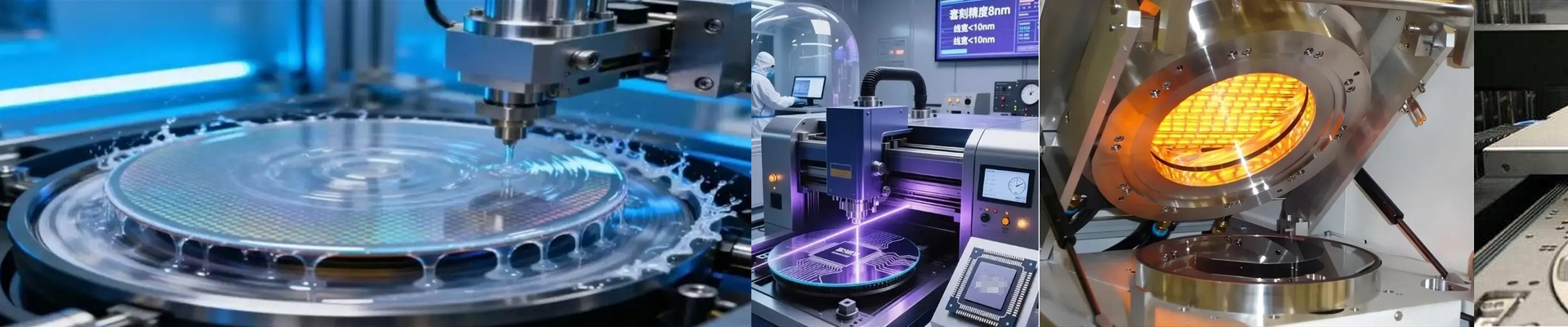
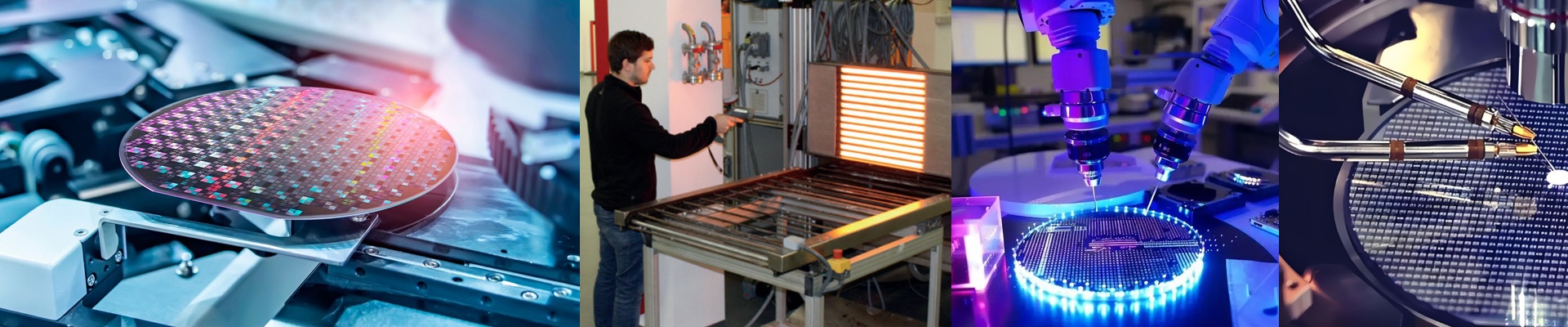
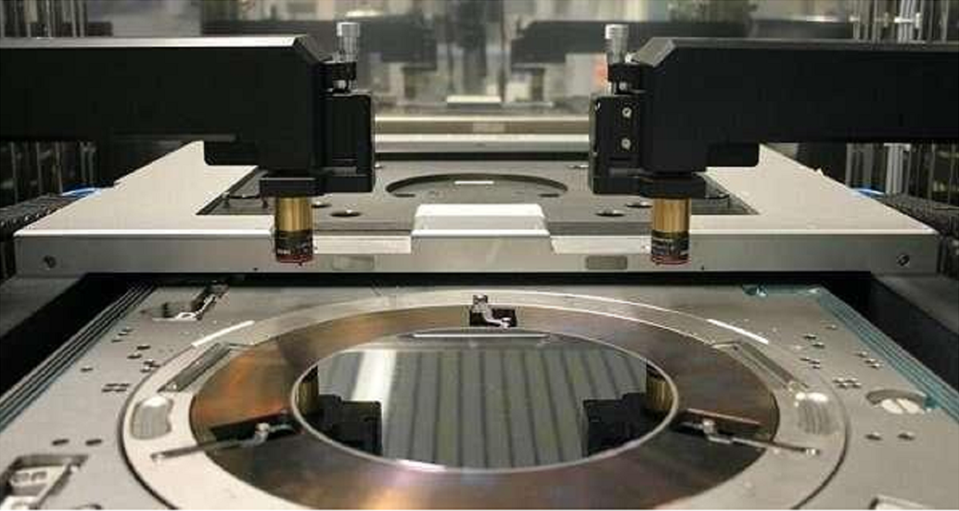
If you’re trying to build a modern, smart Fab, you’ve probably noticed that managing heat is a massive pain. Traditional resistive heating is just… slow. You spend half your time waiting for things to ramp up, and trying to get that process to play nice with your digital tools is a total nightmare. That’s where infrared (IR) heaters come in. Instead of heating the whole room, they use direct radiation. It means you hit your target temperature almost instantly. No more sitting around waiting for the chamber walls to “soak” before you can actually start working. Making it actually “Smart” A smart Fab is only as good as its feedback loops. If your heater takes ten minutes to react, your data is useless. IR systems are different. They react the second you tweak the voltage. When you hook these up to a PLC with a fast PID controller, you can adjust the heat flux on the fly. You end up with a thermal map of your wafer that’s accurate down to the millisecond. Suddenly, heating isn’t just some background chore—it’s a precise data point you can actually control. The Reality of Vacuum Work Here is the catch: once you’re in a vacuum, you lose convective cooling. Everything happens via radiation. We build these lamps to handle a ton of power, but you have to be careful. If you crank the wattage too high, your cooling jackets have to work overtime. If they can’t keep up with the ambient heat rise, your chamber seals will bake and fail. It’s a balancing act. Make sure your cooling system is actually rated for the heat you’re throwing around, or you’ll be replacing seals way more often than you’d like. Winning Back Your Floor Space One of the best parts? IR heaters don’t take up much room. You can ditch those bulky oven arrays and drop these in their place. It cuts your cycle time way down. Because you’re aiming the energy exactly where the substrate sits, you stop wasting electricity heating up your vacuum pumps and the walls of the chamber. It’s leaner, it’s cheaper on the power bill, and it makes scaling your entire line a whole lot easier.