
Stop Worrying About Your Chemical Cleaning Line
Let’s be honest: heating chemicals is nerve-wracking. When you’re working with flammable solvents and explosive vapors, a basic infrared lamp isn’t just a tool—it’s a risk. One tiny spark or a hairline crack in a quartz tube, and you’ve got a disaster on your hands. We decided to stop just making lamps and started focusing on how to actually protect them.
The Secret is in the Packaging
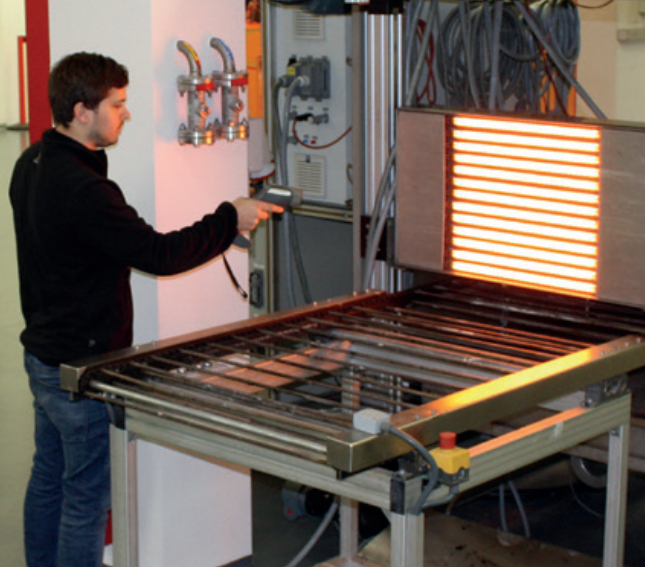
We don’t just toss a lamp into a box and call it a day. We build a sealed barrier between the heat and the air around it. By using heavy-duty gaskets and hermetic seals, we make sure those nasty chemical vapors can’t sneak into the electrical junctions. But the real peace of mind comes from the sensors. We bake thermal sensors right into the packaging. If the lamp gets too hot or a seal gives way, the system kills the power instantly. It happens fast. Really fast. This keeps the lamp from ever hitting that “danger zone” temperature where the fumes around it could ignite.
Gear That Doesn’t Melt or Rot
Most housings just crumble in a chemical cleaning zone. They pit, they corrode, and they eventually fail. We use materials that can actually handle the abuse. The outer cladding is built to take chemical splashes all day long without letting anything leak into the IR tube. And we didn’t forget the wiring. We use reinforced cables and explosion-proof conduits. This stops “wicking”—that annoying thing where chemicals travel along the wire insulation and crawl straight into your power supply.
A Quick Heads-Up on Performance
Here’s the trade-off: all this protection adds some bulk. Because the encapsulation acts as a thermal buffer, you’ll notice a slight lag in how fast the lamp heats up compared to one sitting in the open air. It’s not a dealbreaker, but you’ll want to tweak your PID controllers to account for that delay. If you don’t, you might find yourself undershooting your target temperature. Just a bit of calibration, and you’re good to go.