

Why We’re All-In on High-Standard Waterproof IR Heaters
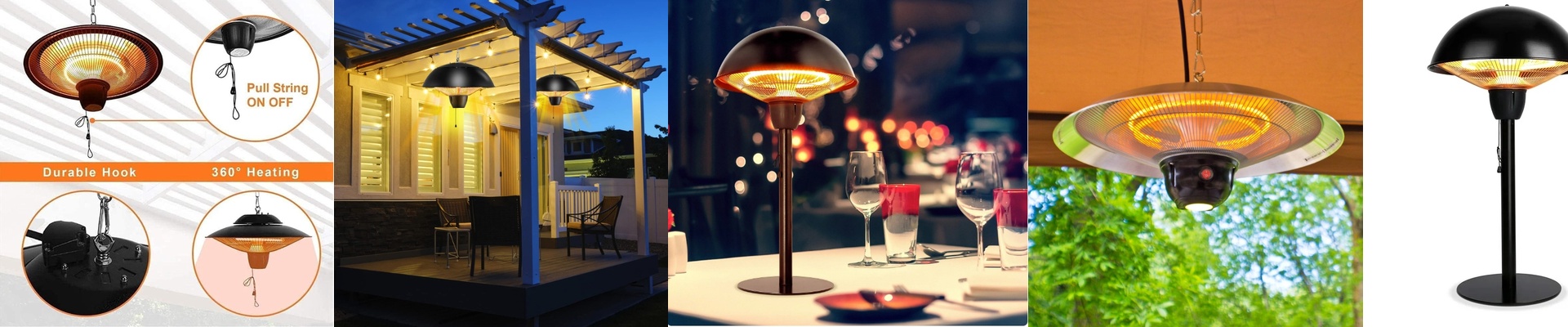
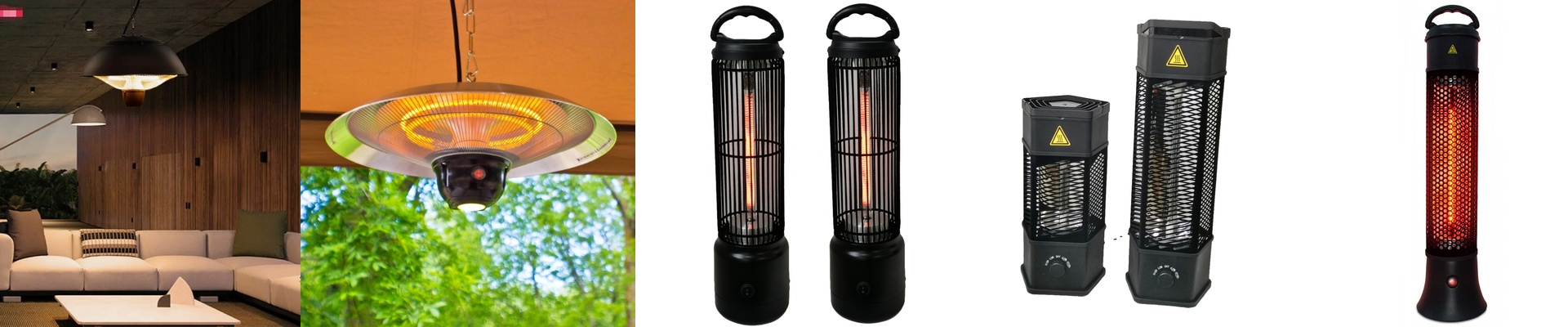
We build wall-mounted garage heaters with infrared tech for one simple reason: it puts the heat where you need it, instead of just warming the air. And in modern bathrooms, the waterproof IR heater is quietly taking over from those old-school lamp-style heaters. It makes sense. You get targeted warmth that kicks in fast, and it’s built to stand up to moisture.
The Power Behind the Warmth: What You Need to Know
With IR, it’s all about wattage density and matching the voltage. Most units run on standard mains voltage (like 220–240V) and crank out serious heat—anywhere from 1500W to 2500W, depending on the tube length. The tubes are designed to fit standard spaces, usually between 300mm and 600mm. So you can get a heater that fits perfectly without reworking the wall. More power in a small space means a seriously fast heat-up. But it also means your circuit and the enclosure have to be up to the job. Just make sure your wiring and overcurrent protection match the heater’s current rating.
What’s Inside? A Look at the Core Components
At the heart of it is a quartz tube, filled with halogen gas. That halogen chemistry keeps the filament stable, which helps the heater last longer and avoid burning out too soon. The tube surface usually has a reflective coating. It directs more of that IR energy forward, so you get more usable heat and less wasted output. And for the connections, we use an R7s connector. It’s an industrial standard for a reason. It makes a solid contact, handles high heat without loosening, and makes installation a simple, drop-in job.
Perfect for Bathrooms and Tough Spots
If you’re upgrading a bathroom, waterproof construction is what sets these heaters apart. The sealed housing and protected electrical parts mean it can take a beating from steam and direct splashes without flinching. Because IR heats people and surfaces directly, you feel that warmth almost instantly—even in a large bathroom. Just keep one thing in mind: that high heat density means the mounting spot needs room to breathe, and the surrounding materials need to handle the sustained radiant heat. Plan the enclosure, spacing, and ventilation to match the operating temperature.