Why Most Bathroom Heaters Die (And How We Fixed Ours)
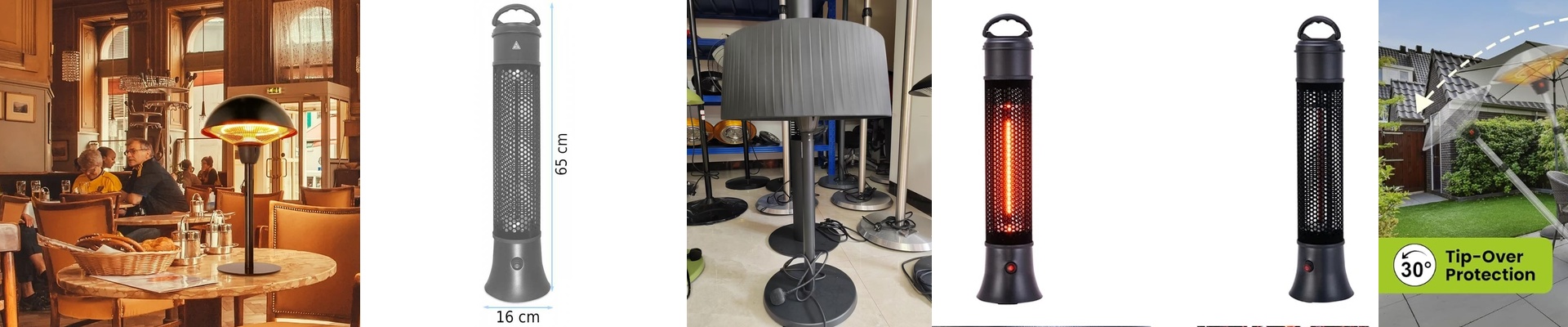
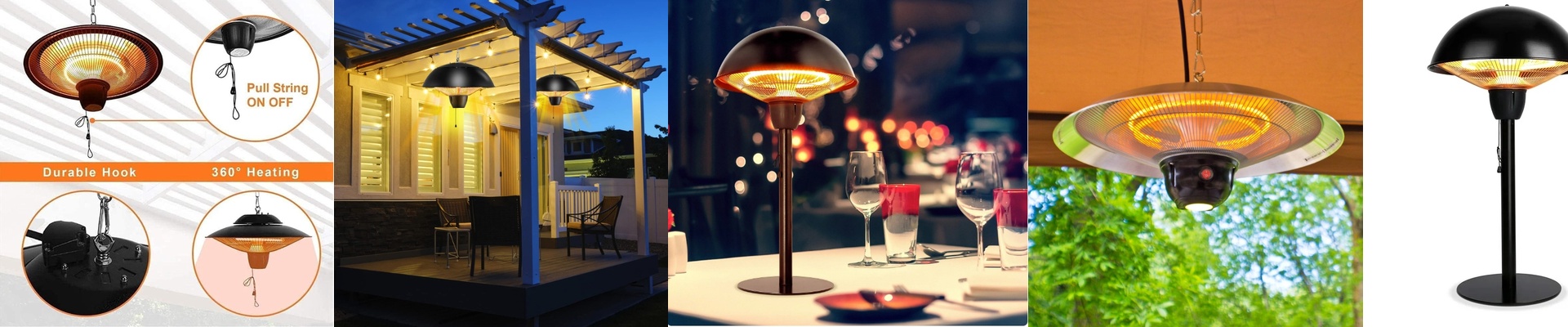
Let’s be honest: bathrooms are a nightmare for electronics. Between the thick steam and the accidental splashes, it’s basically a torture chamber for heating elements. Most heaters just can’t handle it. They rust, they short out, and they die way sooner than they should. We got tired of that, so we built something that actually lasts. The problem with “fog” Ever notice how a mirror fogs up? The same thing happens to the quartz tubes inside a heater. When water droplets sit on the glass, they create these little “cold spots.” Here’s the catch: when the heater kicks in, the glass expands. But those cold spots don’t expand at the same rate. That tension creates a crack, and boom—your heater is toast. To stop this, we use anti-fog coatings and sealed housings. It keeps the moisture away from the glass so the tube can heat up and cool down without snapping. Stopping the leaks Water getting into the wiring is the fastest way to kill a bathroom fixture. It’s usually what causes that annoying short circuit six months after you install it. We don’t take chances here. We use heavy-duty gaskets and sealed junctions to keep the steam out of the guts of the machine. By isolating the electronics, we stop the corrosion before it even starts. It just works. The honest trade-off Now, full disclosure. Because we’ve added these protective layers and seals, the heat has to work a little harder to get through to you. You might notice it takes a few seconds longer to feel the warmth compared to a cheap, open-air lamp. But in my book, waiting an extra heartbeat for the heat is a fair trade for a heater that doesn’t burn out in a year. We built these things to take a beating. By focusing on the seals and the chemistry of the glass, we’ve made sure the only thing that eventually wears out is the filament itself—which is just how physics works. Whether it’s in your home or a busy commercial restroom, it’s just a reliable piece of gear you can stop worrying about.