


Keeping Your Glovebox Safe: The Truth About IR Elements
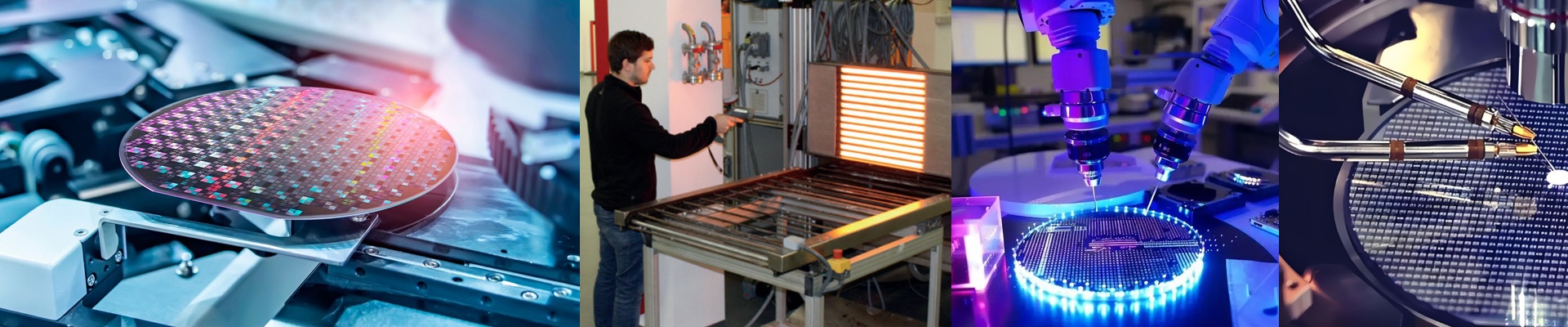
When you’re working with hazardous materials or sensitive chemicals inside a glovebox, the last thing you want to worry about is an electrical leak. One tiny spark or a sudden shutdown can ruin your entire batch—or worse. That’s why we don’t treat electrical insulation as a “nice-to-have.” It’s the whole point.
Why we test every single lamp
Some companies just test a few samples from a batch and hope for the best. We don’t do that. Every single lamp tube that leaves our shop goes through a full withstand voltage and insulation resistance test. Period. We’re looking for microscopic cracks in the quartz or tiny bits of contamination in the seals that the human eye would never catch. If a tube fails? It goes in the scrap bin. It’s that simple. We’d rather toss a tube now than have you deal with “arcing” after you’ve already wired it into your system.
Dealing with the heat
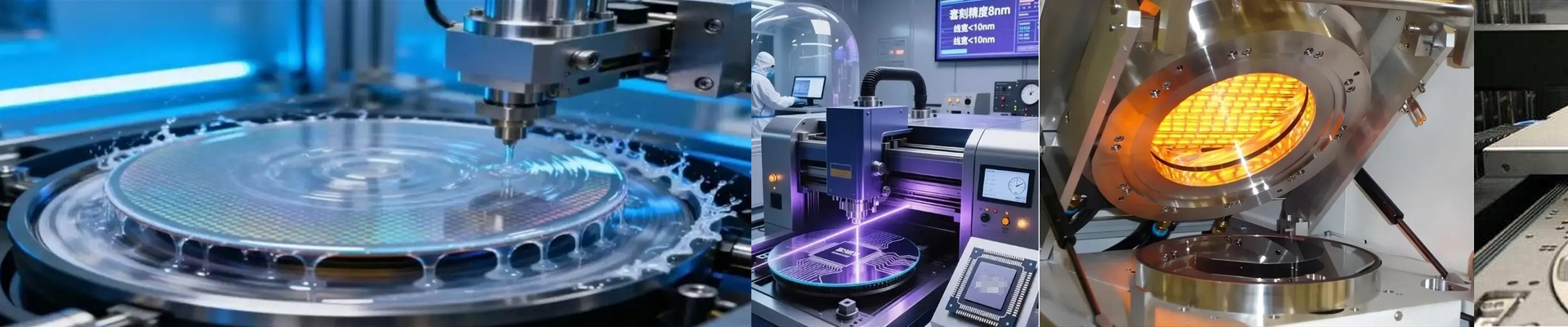
Here’s the thing: high-end gloveboxes usually cram a lot of wattage into a very small space. That creates an incredible amount of thermal stress on the insulation. We build our elements to take that heat without breaking down. But I have to be honest with you—our tubes are only half the battle. Your field performance comes down to your wiring. If your terminals are poorly crimped or if moisture sneaks into the connector, it doesn’t matter how good our insulation is. The leak will happen anyway.
The reality of the physics
Testing for shorts is great, but it doesn’t change the laws of physics. These IR elements put out a massive amount of radiant energy. You’ve got to make sure your chassis is grounded properly and that your thermal shielding can actually handle the reflected heat. If your cooling system is too small, that ambient heat will eventually eat away at your external wiring insulation. And that’s true no matter how well the lamp itself is built.