Stopping the Bleed: Why Your Fab Needs Quartz Shields
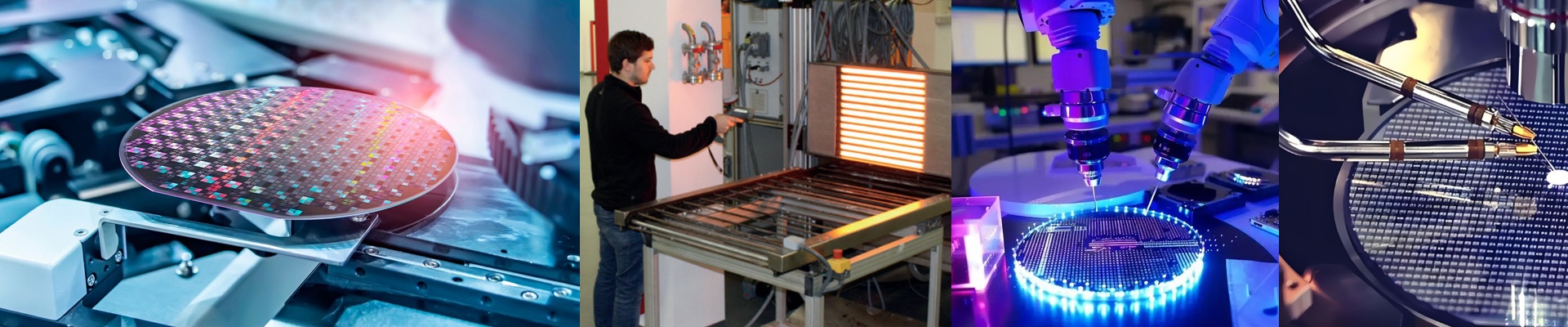
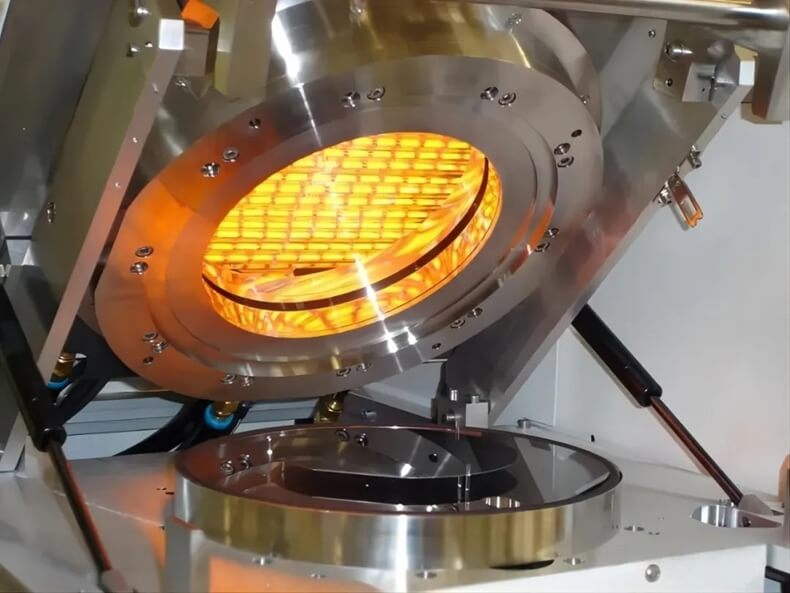
If you’ve ever worked around high-wattage heating lamps in a fab, you know the problem. Heat doesn’t just go where you tell it to. It spreads. It bleeds. Without a plan, that infrared energy hits everything—not just the wafer. Before you know it, the inner walls of your equipment are scorching, which is a fast track to thermal shutdowns or, worse, someone getting a nasty burn. Here is how we handle it. The trick is quartz glass. Think of a quartz shield as a way to steer the heat. By sliding a high-purity quartz barrier between the IR lamp and the machine’s chassis, you stop the energy from leaking into the enclosure. It forces the heat exactly where it needs to go. The result? Your process gets the energy it needs, but the equipment walls stay cool enough that you aren’t terrified to touch them. But you can’t just use any glass. Standard glass would shatter the second it felt that temperature swing. We use fused quartz because it can take a beating. It handles extreme thermal shock without flinching, staying solid even when most metals would start to warp. There is a catch, though. You have to get the thickness right. Quartz lets short-wave IR through, but it isn’t a magic wall. If the shield is too thin, you still get heat soak. If it’s too thick, you block too much of the useful energy. If you overdo the thickness, you’ll end up cranking the power just to hit your target temperature, which completely defeats the purpose of having a safety shield in the first place. It’s all about that balance. When you get this right, the “hot zone” shrinks. It makes life a lot better for the people on the floor. Maintenance becomes way less stressful when you aren’t dodging radiating heat just to make an adjustment. It takes a dangerous, wild heat source and turns it into a precise tool.