
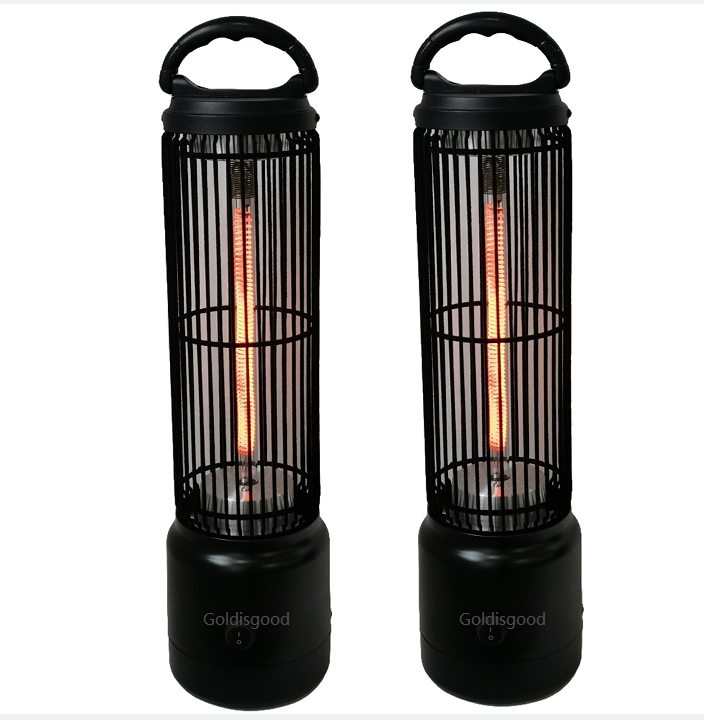
Engineering 100% Electrical Safety in Bathroom Infrared Heaters: The Technical Reality
Let’s get one thing straight: water and electricity don’t play nice. Not even a little. That’s why we build bathroom infrared heaters with one single focus—absolute electrical isolation. We’re not just slapping on a safety label at the end and calling it a day. We start from the ground up, engineering safety into every single part.
The Core Idea: Power That Just Works
At the heart of these heaters is a shortwave infrared lamp. It’s built to pack a ton of heat into a small space. We run them on standard 230V or 240V—the same power your home is already wired for. This keeps things simple and solid. No bulky step-down transformers to worry about, no extra points where things could go wrong. The wattage is carefully matched to the unit’s size, so the lamp isn’t overworked. It just does its job, reliably.
The Physical Shield: What Keeps You Safe
Here’s where the real magic happens. The lamp itself isn’t made of regular glass. It’s sealed quartz. Quartz handles the shock of going from cold to blazing hot—and back again—without cracking. It also does a much better job of keeping moisture out. Inside, the filament is protected by a halogen gas fill. This keeps the element clean and ensures the heat stays steady over the lamp’s entire life. But the key to total electrical isolation is the dual-wall design. The inner tube holds the live element. The outer tube is grounded and completely separate. If anything ever breaches the inner wall, it stops right there. The outer wall is your safety net. We use R7s connectors, too. They lock in tight and can handle the heat. No accidental unplugging, no moisture getting in. In a humid bathroom, that’s not optional—it’s essential.
The Payoff in Real Life: Instant Warmth, No Compromise
In a bathroom, you need heat right away, and you need it focused. Infrared does exactly that, warming you directly without heating the air. That means less condensation on your walls and mirrors. It’s a drop-in replacement for standard fixtures, but it does come with one condition. The outer casing gets hot. So we’re very clear about clearance. You have to keep it away from anything that can burn. It’s a trade-off we make for the level of safety we’re building in. We know what a real bathroom is like. Water splashes. The unit turns on and off. Our job is to make sure that when you flip the switch, all you get is heat. Nothing else. But here’s the bottom line: that safety only works if the installation is done right. If you ignore the mounting specs, you’re undoing everything we’ve built. We don’t cut corners with the physics, and we expect you not to, either.