Getting Hydrogen Sensors Right: Why We Use IR Curing
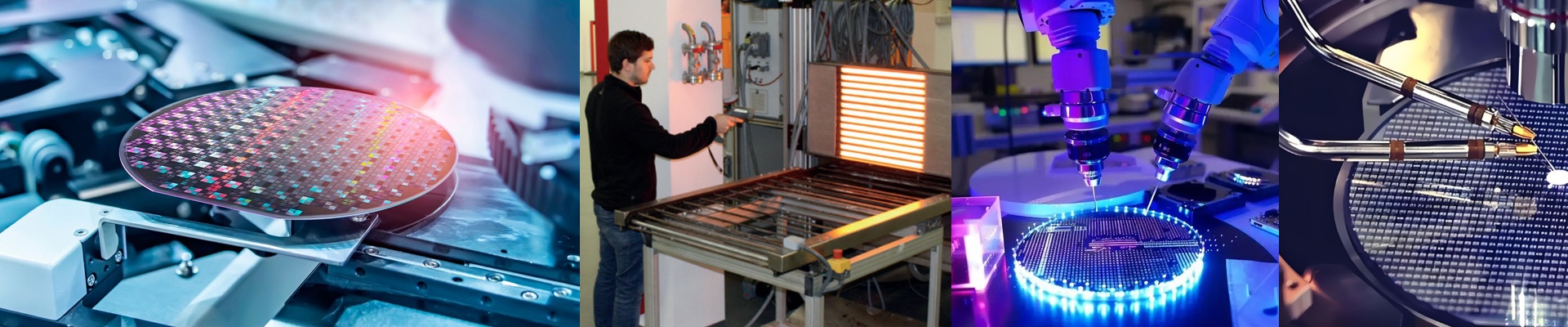
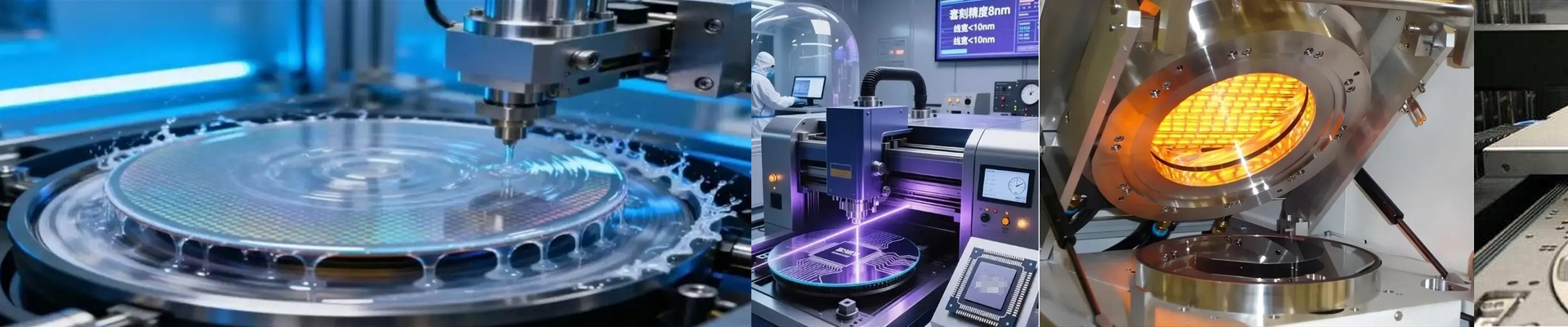
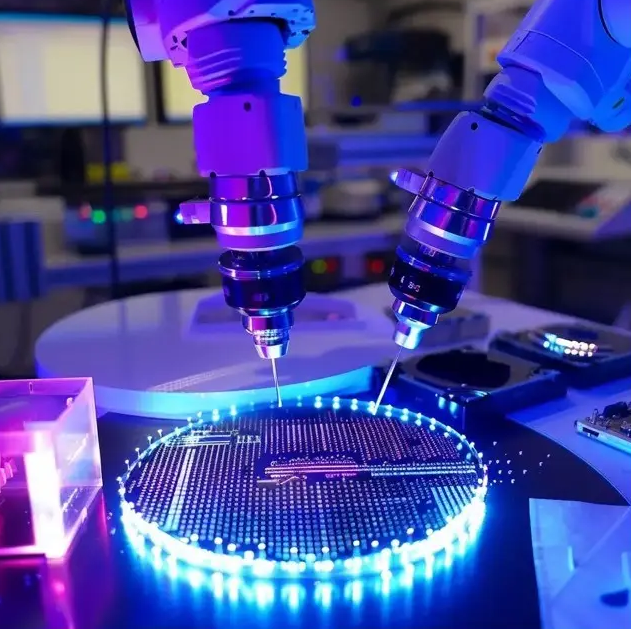
When you’re building hydrogen sensors, you’re walking a tightrope. You need enough heat to set your conductive inks and adhesives, but if you overdo it, you’ll fry the sensing membrane. It’s a delicate balance. That’s why we stopped relying on traditional heat and switched to infrared (IR) curing. Instead of heating up all the air in a room, IR goes straight for the material. It’s cleaner, faster, and fits right in with the push for lead-free, eco-friendly manufacturing. The problem with the “big oven” approach Think about a standard convection oven. You’re heating the whole chamber just to warm up a tiny sensor. It’s a waste of energy, and worse, you often end up over-curing the edges of the substrate. IR is different. It uses short-wave radiation to trigger the reaction almost instantly. The best part? We can tune the wavelength to match the specific lead-free solder or adhesive we’re using. The heat stays exactly where it belongs. Dealing with lead-free materials Switching to lead-free isn’t as simple as swapping one paste for another. These materials usually have higher melting points and a different “feel” (viscosity). If you use a slow-ramp oven, the material can “slump” or spread unevenly before it sets. It’s a nightmare for precision. IR hits that target temperature in seconds. Plus, it cuts out the need for those nasty organic solvents that require massive scrubbing systems just to keep the EPA happy. The trade-offs (because nothing is perfect) Now, fast curing isn’t a magic wand. If you aren’t careful, IR lamps can create hotspots. If your substrate is too thin, you might warp the wafer or crack the membrane. It’s a real risk. You have to be obsessive about your conveyor speed and how far the lamps are from the part. If you’re working with something really heat-sensitive, I’d suggest a pulsed IR setup. It prevents that sudden thermal shock that ruins a batch. One last tip: if you’re putting these in a cleanroom, use shielded cabling. Otherwise, you’ll get EMI interference that messes with your calibration electronics. Once you get the power settings dialed in, though, the footprint is tiny compared to those massive tunnel ovens. It just makes the whole shop feel less crowded.