Why Infrared Is the Clear Choice for Lead-Free Work
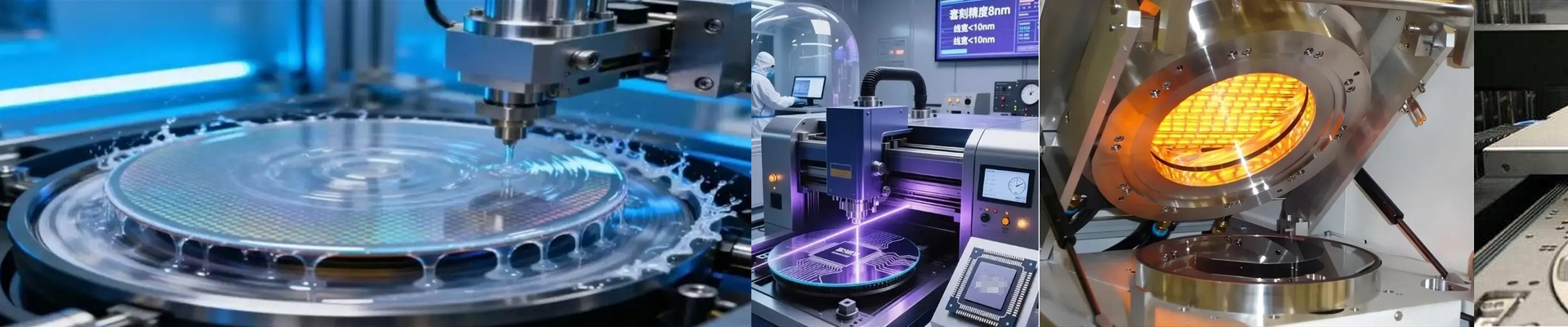
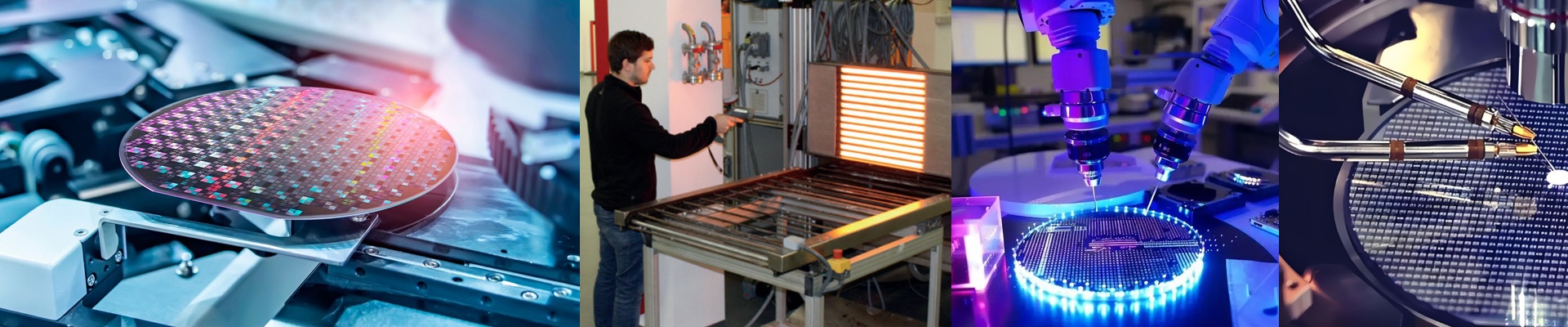
We built this twin-tube, gold-coated infrared lamp for one place: the semiconductor line. Because when you’re drying and curing, you need results that are clean, fast, and dependable. Infrared hits the target directly, without wasting time heating the air around it. That means less energy used and no solvents hanging around. It’s exactly what the industry needs to stay lead-free, green, and lean.
Power, Voltage, and Shape: Getting the Heat to Match the Job
The twin-tube setup packs two high-intensity emitters into a small footprint. So you can cover a wider area—or give the part more dwell time—without making the machine bigger. Most runs use 400V, pushing high current through a short 300mm quartz tube. That’s how you get the heat density needed for rapid curing. And that 2500W rating? It’s there for a reason: it brings surface temperature up fast, so cycle times stay short even on delicate assemblies. Here’s the trade-off, plain and simple: packing that much power into a small space creates a lot of local heat. The equipment has to be built to manage that thermal load. If it isn’t, the lamp—and parts nearby—will run hotter than they should.
Material and Design: Why the Gold Coating and R7s Make a Difference
The gold coating on the quartz envelope acts like a mirror for infrared energy. It reflects heat back toward the target, so you get tighter directional heating and less wasted radiant heat. More of the power you put in actually does the work you need. And the quartz tube? It can take high operating temperatures and keep output steady, even when you cycle heat up and down again and again. The R7s connector is the anchor point. It gives solid end-support, repeatable alignment, and a secure electrical connection. On the production floor, that means you can wire it in as a drop-in replacement and trust the positioning—especially when tolerances are tight and the distance from lamp to target directly affects cure uniformity.
What It Feels Like on the Factory Floor
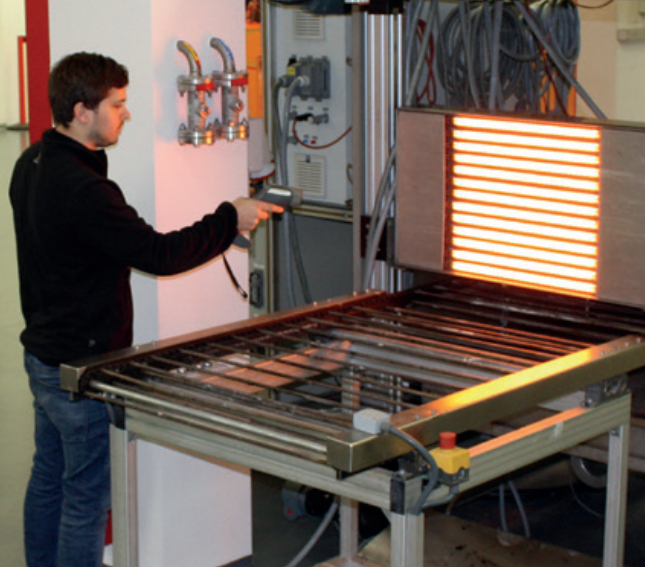
When you’re drying and curing semiconductors, this setup delivers a quick temperature rise, precise control over the heating profile, and lower overall energy use compared to convection methods. The outcome is straightforward: you meet lead-free and environmental requirements without slowing the line. The lamp is tough, but it’s not invincible. Handle it with clean gloves, avoid shocks, and make sure the voltage and connector specs match exactly. Do that, and you keep the line moving the way it should.