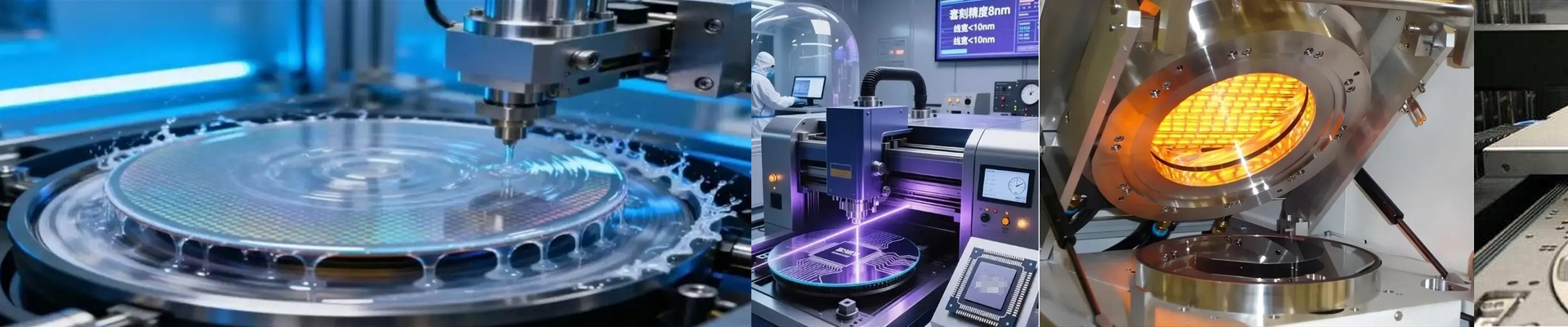
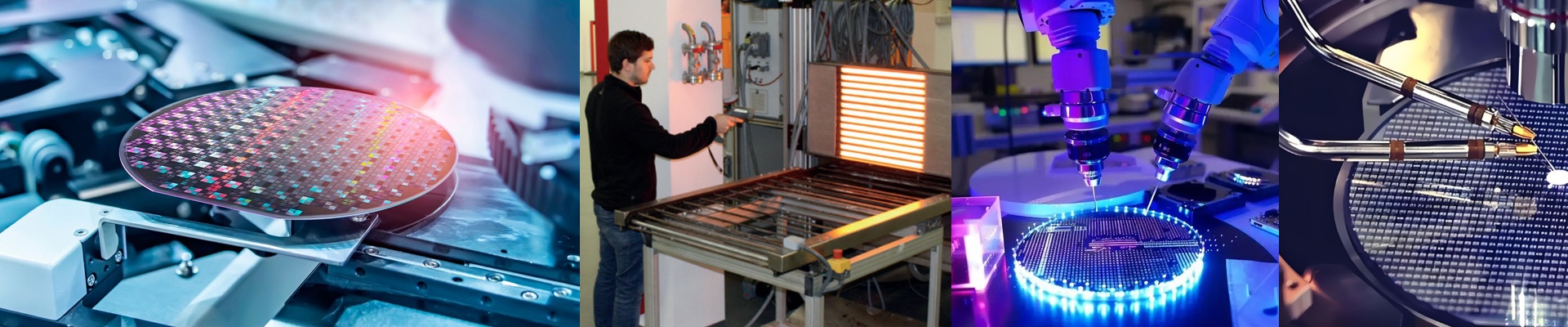
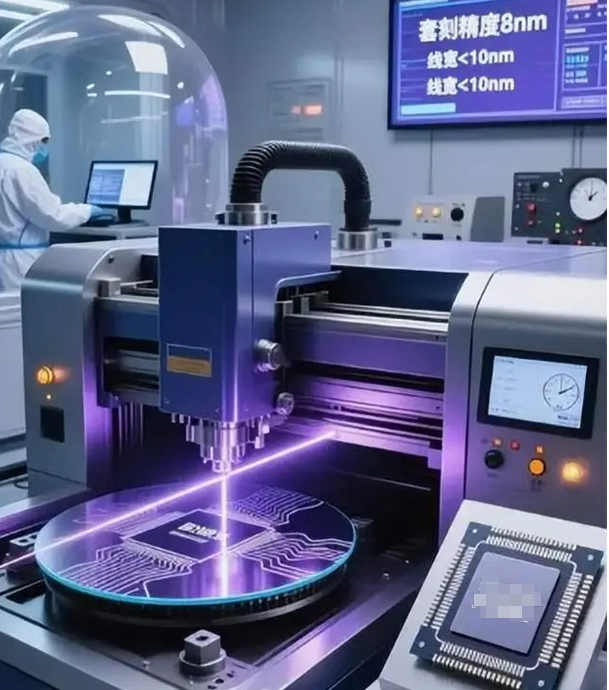
Out on the fab floor, the SRD cycle is a fast, hot sprint—rinse, dry, hold. If the IR lamp starts to lag, you know it right away: streaked wafers, particle excursions, and photoresist yield hits that don’t show up until hours later. We designed our SRD infrared lamp to run 7×24 without turning into the weak link. Here’s what matters under the hood. It’s short-wave infrared, driven by fast-ramp quartz elements. Response is sub-second, and you get tight thermal uniformity across the chuck. During the dry phase, wafer-level control holds ±0.1°C, which protects photoresist integrity after soft bake and hard bake. It behaves in Class 1–100 environments—zero particle generation, and the sealed housing keeps outgassing and contamination out. You can plan on 5,000+ hours at full output with under 5% intensity drift, and no unplanned failures in continuous operation. SRD has a narrow thermal budget: heat fast, dry clean, and do it again. This lamp tightens the dry window without overshoot, so cycle time drops and wafers come out watermark-free. Repeatability gets better because the temperature profile lands the same way, shot after shot, shift after shift. Energy use falls too—fast ramp and efficient coupling mean lower peak demand. Fewer lamp swaps mean fewer PM interruptions and more line availability. A few practical notes. The lamp has to match the SRD chamber geometry and the controller’s emissivity compensation. If the reflectors are off or the pyrometer readout is mismatched, the setpoint drifts. Plan the mechanical interface and cooling path during integration, and confirm cleanroom compatibility with your solvent and acid environment. Get the alignment and calibration right, and it runs as specified—day after day. No exceptions.