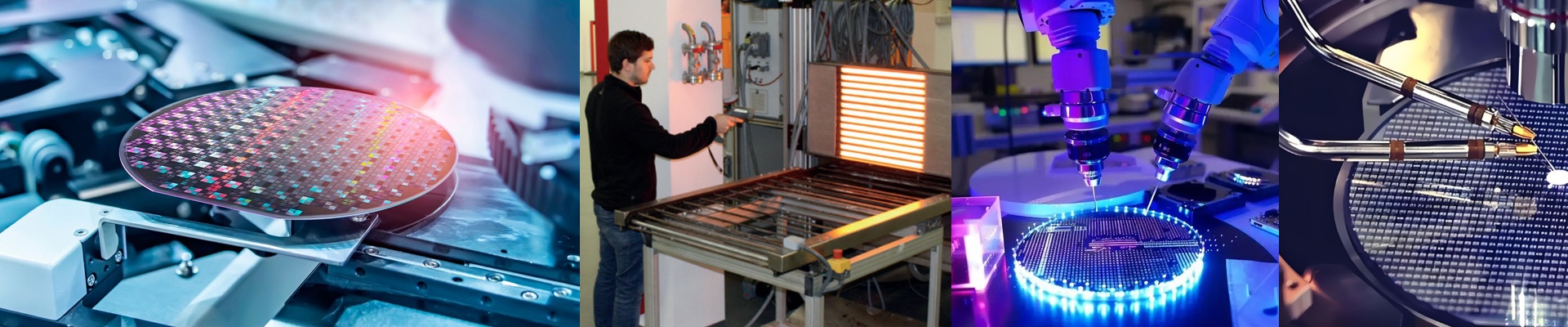
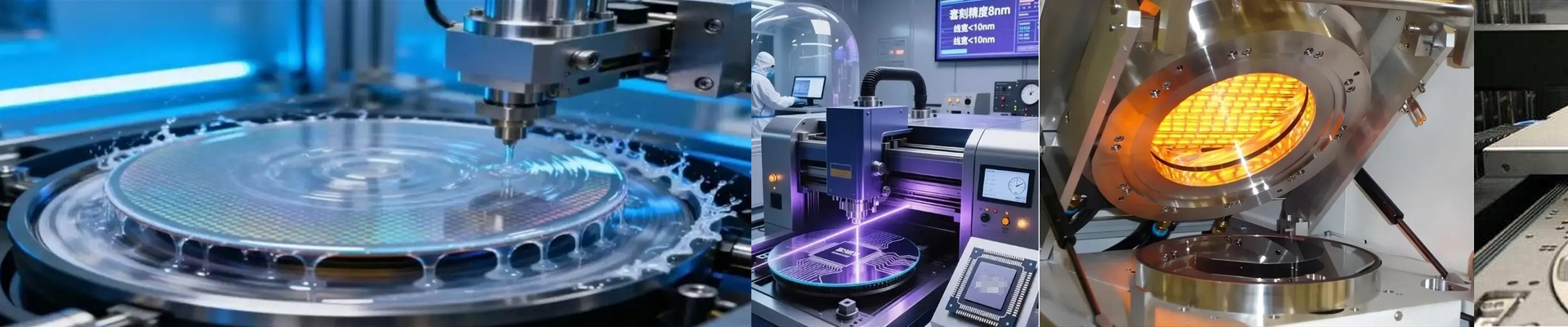
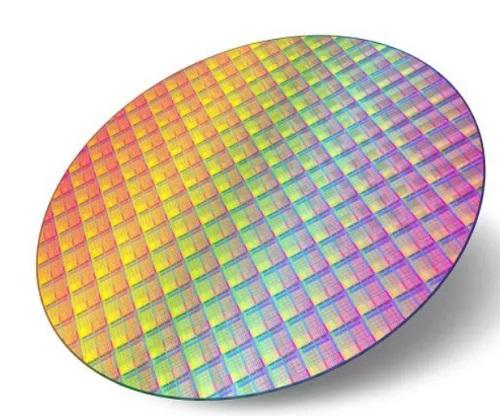
On the fab floor, that 300 mm wafer rolls out of the track and onto the bake plate. Temperature drifts by even a few tenths of a degree, and the photoresist profile starts to wander. CDs slip. The whole lot is suddenly at risk. You need heat that lands exactly where the process card calls for it—no exceptions.
What matters, technically
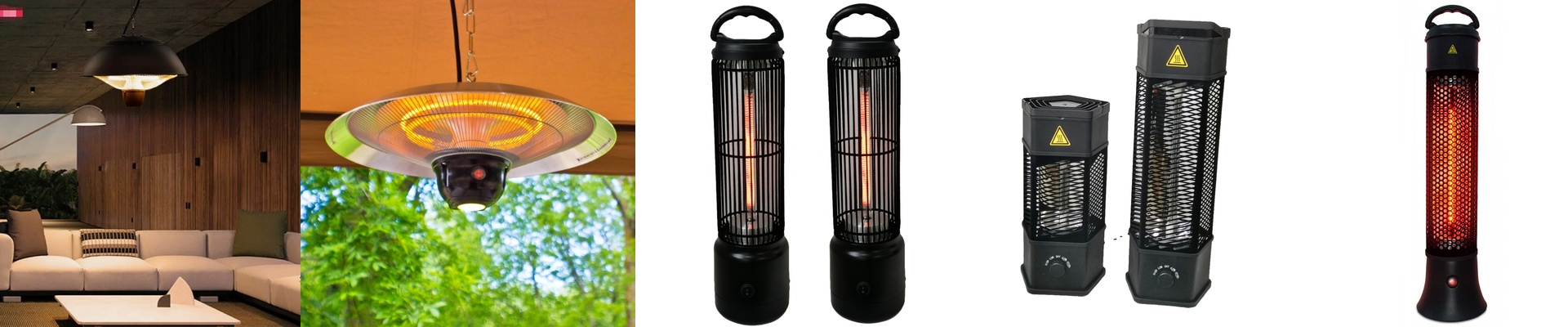
We build short-wave infrared heater components in China that give you thermal field uniformity down to the sub-millimeter. The quartz emitter array sits on a low-thermal-mass ceramic body, so it slews fast and settles clean—hits the setpoint in seconds without overshoot. Across the bake surface, we target ±0.1 °C uniformity, and repeatability stays under 0.2 °C cycle-to-cycle. That margin is what keeps soft bake and hard bake inside the photoresist thermal budget. It protects TEOS and oxide integrity, and it keeps particle count from creeping up. Cleanroom Class 1–100 compatibility is built in: low-outgassing materials, sealed joints, and a surface finish that won’t flake.
Why it works where it counts
In lithography tracks and coat/bake modules, the line never stops. Our infrared heaters hold the wafer at the target without hot spots or cold edges, so critical dimension control and sidewall angle stay on spec. Fast thermal response shortens the bake step, cuts energy use, and boosts throughput—without pushing peak temperatures higher. Zero particle generation under sustained bake cycles translates into fewer filter changes, fewer aborts, and fewer yield hits. The payoff is predictability: the same temperature profile on wafer 1 and wafer 1000, lot after lot.
Things to keep straight
Match the heater to the chamber footprint and the clamp scheme. Double-check voltage, connector orientation, and clearance in the hot zone. Short-wave infrared gives you speed and control, but the emitter life is finite—plan replacement windows at 5,000 to 8,000 hours so you don’t get blindsided by downtime. For the best uniformity, calibrate with a certified wafer map and keep the emitter array clean. A thin quartz film on the emitters can skew the thermal profile in a hurry.