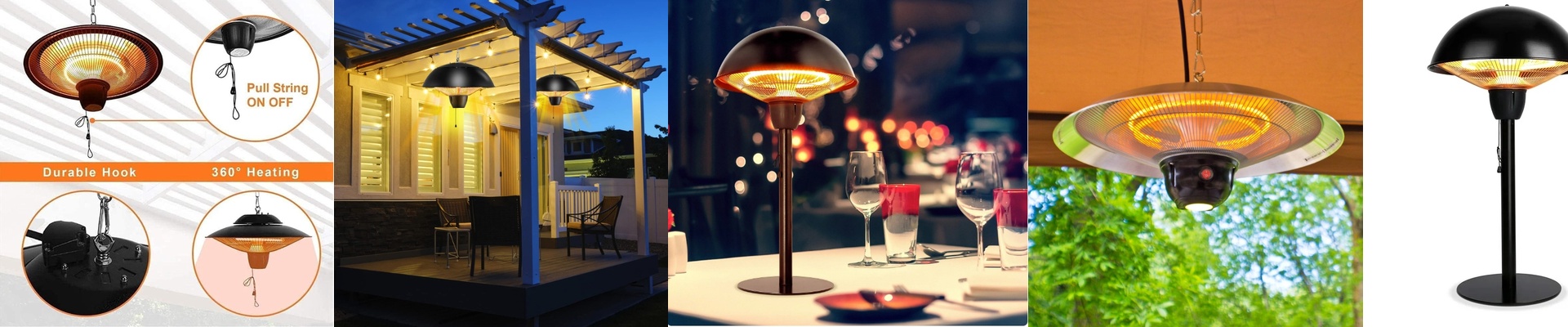
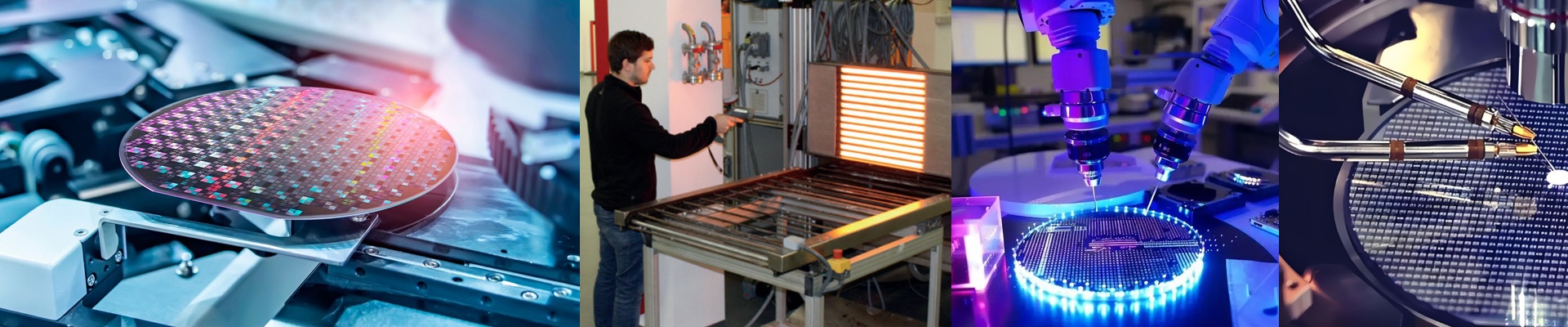
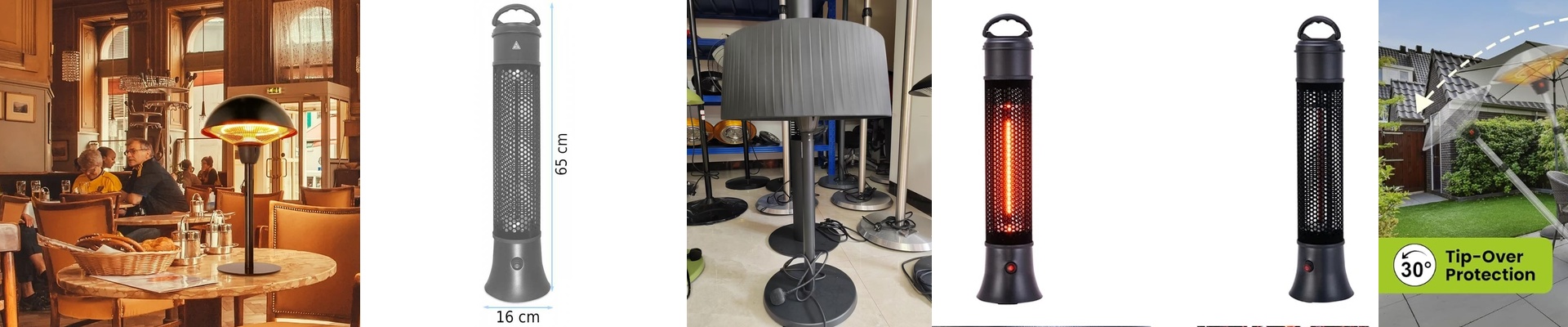
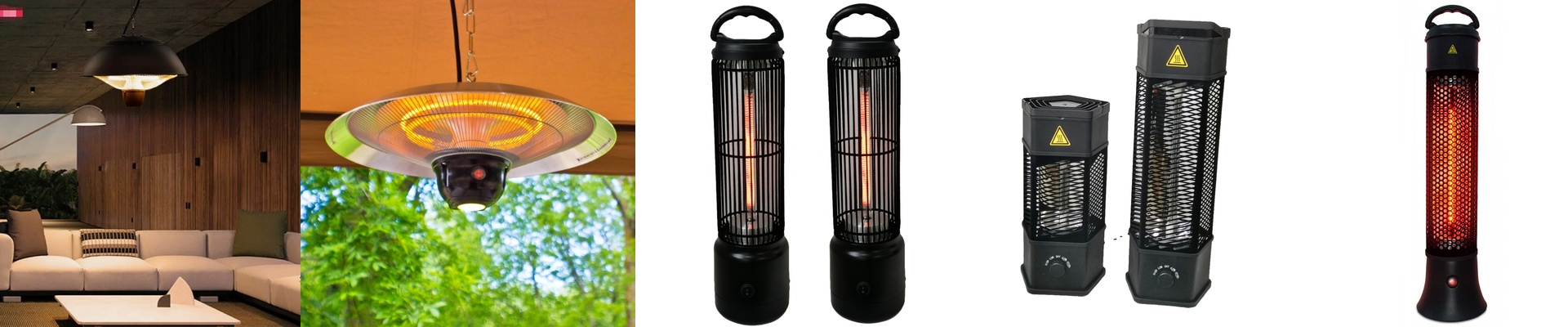
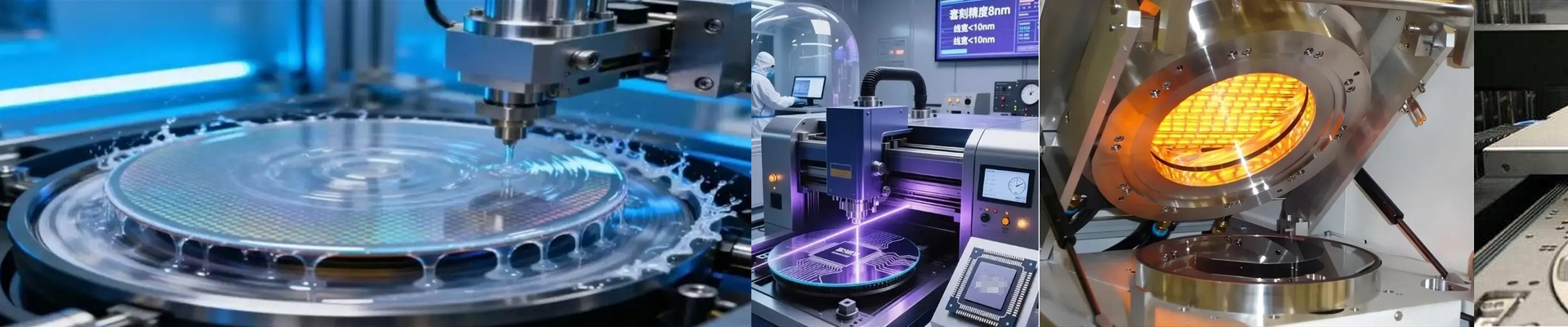
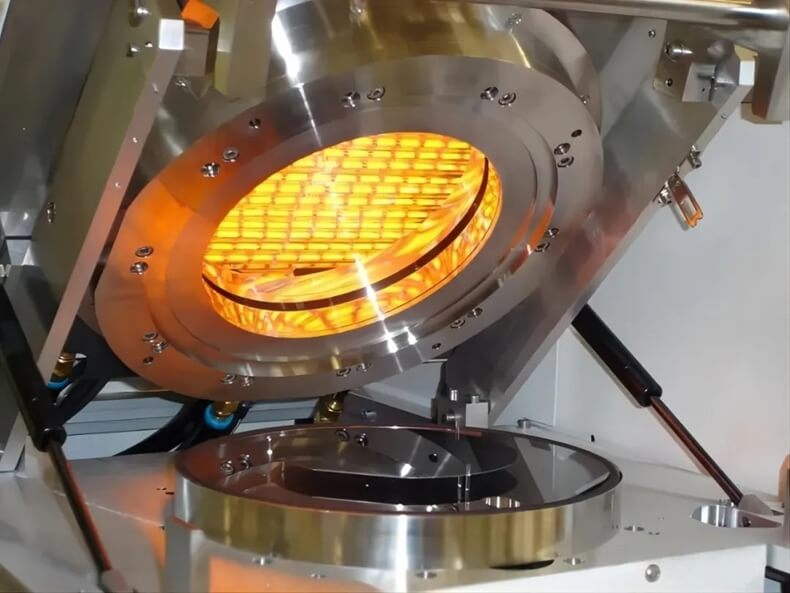
On the lithography floor, a soft bake that drifts by half a degree is enough to pull critical dimension control off spec. The line stops. Wafers get scrapped. We built the carbon fiber infrared lamp system to keep that from happening—by locking temperature exactly where the process needs it, shift after shift. What matters, technically Carbon fiber infrared emitters hit fast, stable heat with quick response and low thermal mass. You get wafer-level uniformity within ±0.1°C across the bake surface, so soft bake and hard bake stay inside the thermal budget. Cleanroom Class 1–100 compatibility isn’t an afterthought: low-outgassing materials, sealed housings, and a particle-free path keep yield protection on the wafer, not in the air. Output repeatability holds up around the clock, with life data supporting 5,000+ hours before output drops beyond 5%. Why it works in practice In wafer fabrication and packaging, thermal cycles are fixed—there’s no negotiating them. This lamp keeps pace with spin tracks and coat/bake modules, cutting bake time without giving up profile control. Tighter repeatability means fewer rework lots and fewer excursions tied to temperature drift. Energy use drops because the system heats fast, holds setpoint steady, and avoids overshoot. For equipment engineers and buyers, that comes out as higher uptime, lower cost per wafer, and fewer spares sitting in inventory. Here are the details that keep it honest Installation is straightforward on standard frames, but you still have to verify alignment and field of view for each bake chamber. Overlap creates hot spots; gaps create cold edges. Keep the lamp within its specified voltage window, and keep the emitter window clean with proper cooling air—dust on the window will show up as nonuniformity. Treat it like any thermal tool that matters: plan routine calibration checks.