
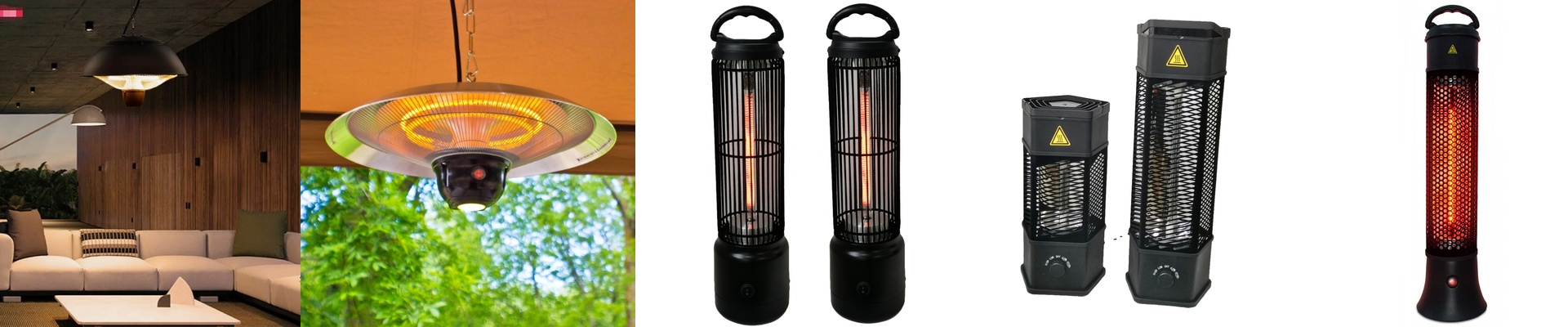
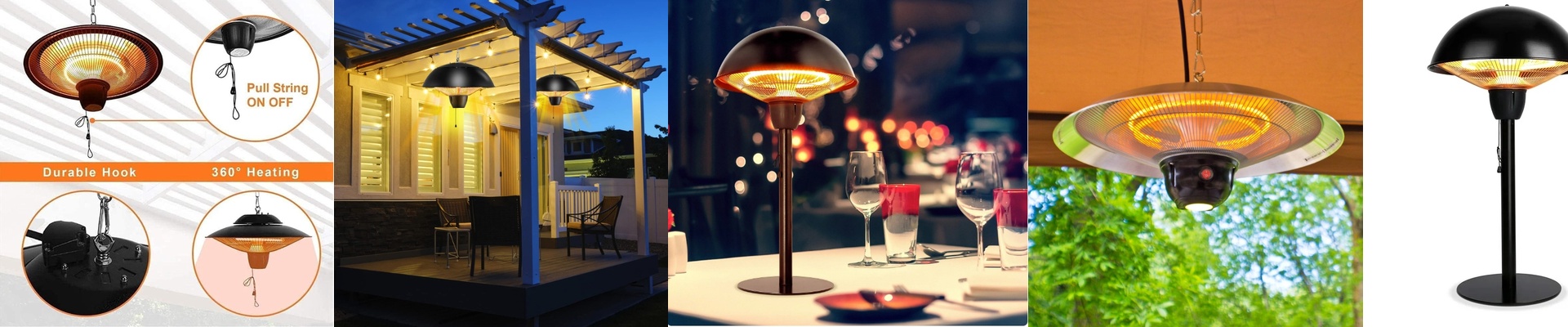
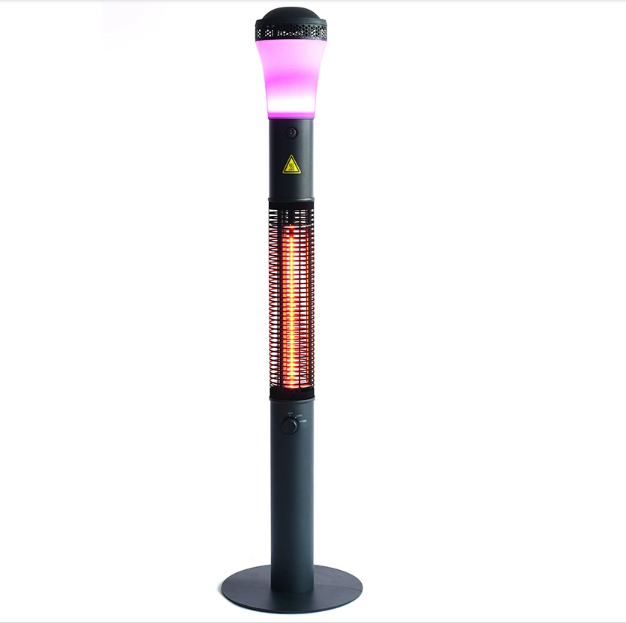
Winter evenings can turn into a constant tug-of-war—trying to stay warm without watching the electric bill climb. With a standard oil-filled radiator, you’re waiting on the air to warm up, and most of that heat just rises and vanishes before it ever reaches you. The room feels chilly, the thermostat reads fine, and the meter keeps ticking.
What actually matters, technically
We built this infrared heater around radiant warmth, not convection. Inside, a carbon fiber element sits in a sealed quartz tube and produces short-wave infrared energy. That energy travels through the air and heats people, furniture, and surfaces directly. You feel it almost instantly—much like the sun warming your skin on a cool day. It’s designed to run on standard 230V circuits, pulling 1.5–2.0 kW depending on the model, and it uses a thermostat that holds the target temperature without overshooting. It’s low-noise, requires no fuel storage, and there’s no open flame.
Why it works in practice
Out in the real world, this approach translates comfort into real savings. Compared to a typical 2–3 kW electric oil-filled radiator, the infrared heater can deliver the same perceived warmth using roughly 20–30% less electricity. The reason is straightforward: the energy goes where you need it, instead of heating the whole volume of air that then leaks out through walls and ceilings. That means lower running costs, and for households on time-of-use tariffs, fewer demand charges. Drafty rooms feel more consistent, too. The radiant warmth also supports better circulation and muscle relaxation, so you can settle in—whether it’s the living room, the workshop, or a covered patio—without shivering or cranking the dial.
The details that make the difference
Infrared heat is directional, so placement matters. Aim the unit at the seating area, not the wall. It warms objects and people first, so the air might feel a degree or two cooler than what you’re used to with a convection heater—set the thermostat to your comfort, not just to what the room air reads. And before you plug in, confirm the outlet and wiring match the unit’s voltage and plug type. For continuous use, a dedicated circuit is the smart move. This is an electric heater, so it needs power—keep the cord out of foot traffic and use a surge protector for added safety.