
Why We’re Moving Away from Forced Air to IR Heating
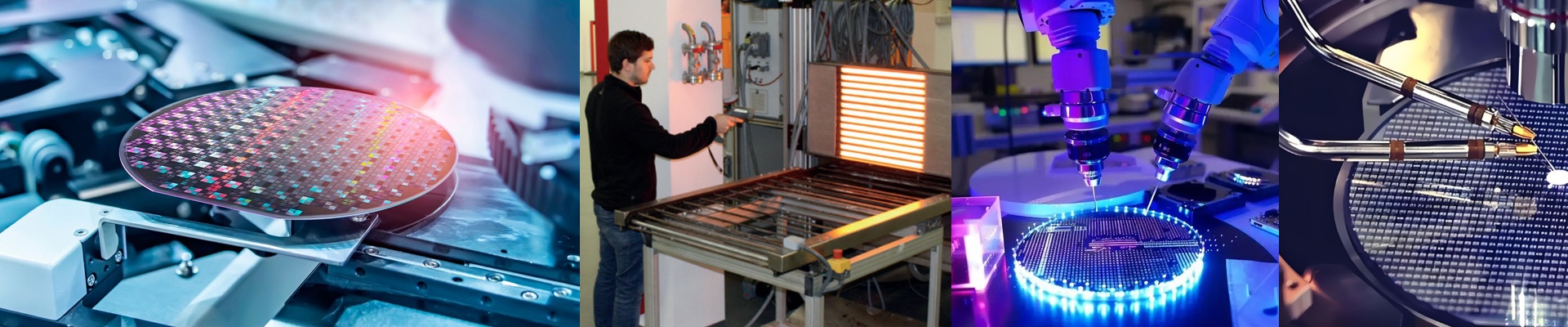
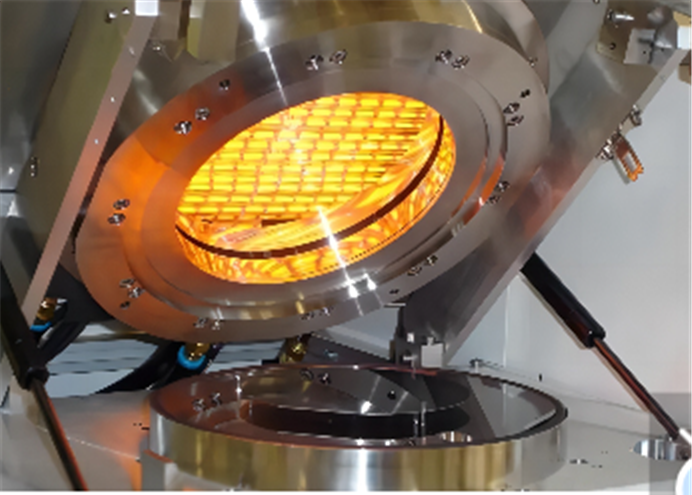
Think about how forced air works. You’re basically heating up a middleman—the air—and hoping it carries that energy over to your wafer or substrate. The problem? It’s slow. In the world of semiconductor processing, that lag is just wasted time. That’s why we use infrared (IR) emitters. Instead of messing around with the air, IR just beams energy directly at the target. It hits instantly. No middleman, no waiting.
The Secret to Not Burning Everything Down
Here is the tricky part: IR emitters get incredibly hot. Like, really hot. The spot where the electrical lead enters the quartz tube is usually where things go wrong. It’s a total failure zone. To stop that from happening, we use ceramic end caps to handle the thermal stress. Ceramics are great because they don’t melt or warp when things get intense. They also keep the filament locked right in the center. If that cap shifts even a little, the filament sags, you get a hot spot, and—pop—it burns out. We spec these caps specifically so the electrical connection stays totally isolated from the chassis, even when you’re pushing the tube to its absolute limit.
Cutting Out the Wait
With forced air, you have to wait for the chamber to “soak” or saturate before you’re actually at temperature. It’s a drag. IR emitters hit their target in seconds. It’s a night-and-day difference in response time, which lets you tighten up your process windows and actually get things moving. Plus, your setup gets a lot leaner. You can ditch the bulky blowers and the massive ducting. You just need a clear line of sight from the emitter to the part. Simple.
The Trade-offs (Because Nothing is Perfect)
Now, IR is fast, but it’s directional. Unlike hot air, which kind of wraps around a part like a blanket, IR creates shadows. If something is in the way, that spot stays cold. If your part has a weird or complex shape, you can’t just use one light. You’ll need a multi-bank array to make sure the heat is spread evenly. It does make your wiring and power control a bit more complex, but that’s the price you pay for that kind of speed.