

Stop Wasting Time on Hot Air: Why Digital IR is the Way to Go
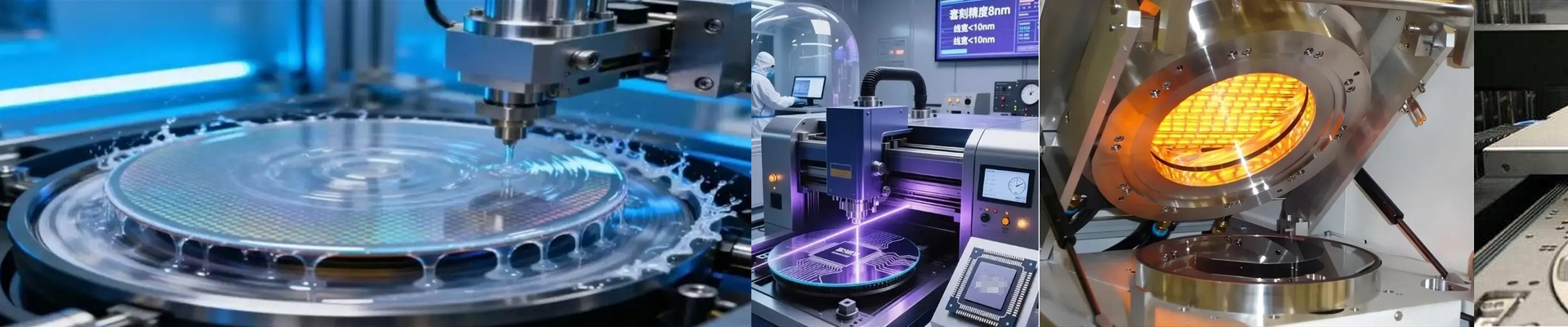
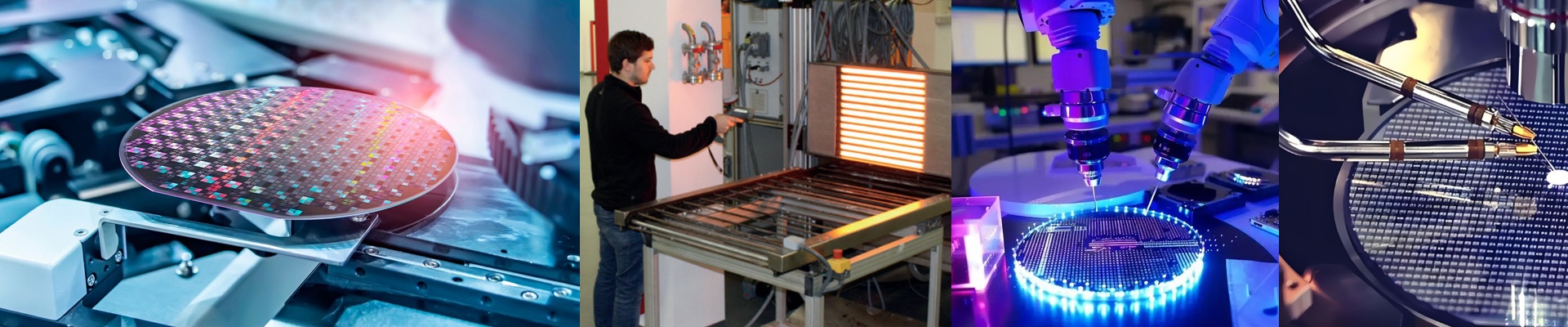
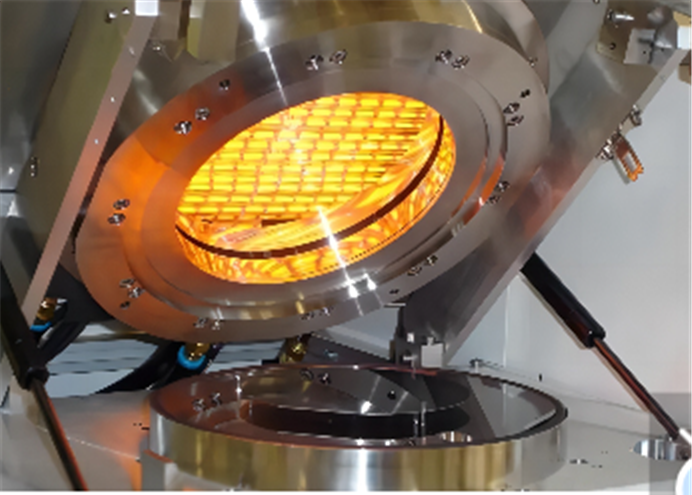
Think about how a convection oven works. You heat the air, and then that air has to heat your wafer. It’s slow. There’s this annoying lag where you’re just waiting for the heat to travel. In semiconductor processing, that lag is basically money leaking out of your pocket. That’s why we’ve moved to digital infrared (IR) controllers. Instead of messing around with the air, IR just hits the target surface directly. It’s radiation, not a breeze. The real difference in the shop Hot air systems are clumsy. They spend half their energy heating up the entire chamber just to get the part warm. IR is different—it’s focused. With a digital controller, you can dial in the power so the wafer hits the right temperature in seconds. Not minutes. Seconds. This means your drying line doesn’t have to be a mile long. You get way more done without eating up all your floor space. But you can’t just blast it Here’s the catch: if you just crank the IR lamps to full tilt, you’ll burn your substrate. You’ll warp the wafers and ruin the batch. That’s where the PID-based controllers come in. Think of them as a governor for your heat. They watch the temperature in real-time and throttle back before things get too hot. You can smooth out the ramp-up speed so you don’t shock the material. It’s the difference between a controlled climb and a crash. The honest trade-offs Now, IR isn’t a magic wand. It’s line-of-sight. If your parts have weird 3D shapes or deep, narrow holes, the IR light simply can’t reach them. In those cases, you’ll probably want a hybrid setup. Also, these high-density IR arrays get hot. Really hot. If you don’t get your cooling fans and heat sinks right, your electronics will start to drift, and your precision goes out the window. At the end of the day, trimming a few seconds off every cycle sounds small. But when you’re running high-volume shifts, those seconds turn into thousands of extra units. If you’re still relying on old-school convection ovens, you’re just leaving capacity on the table.