
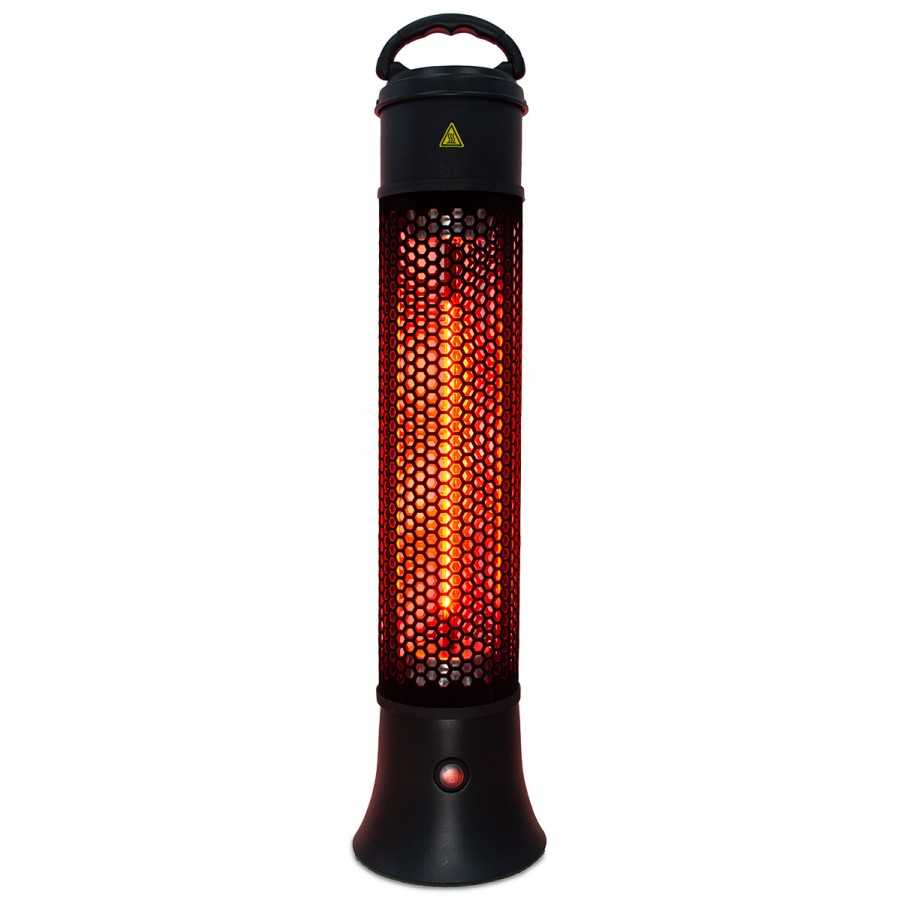
Introduction
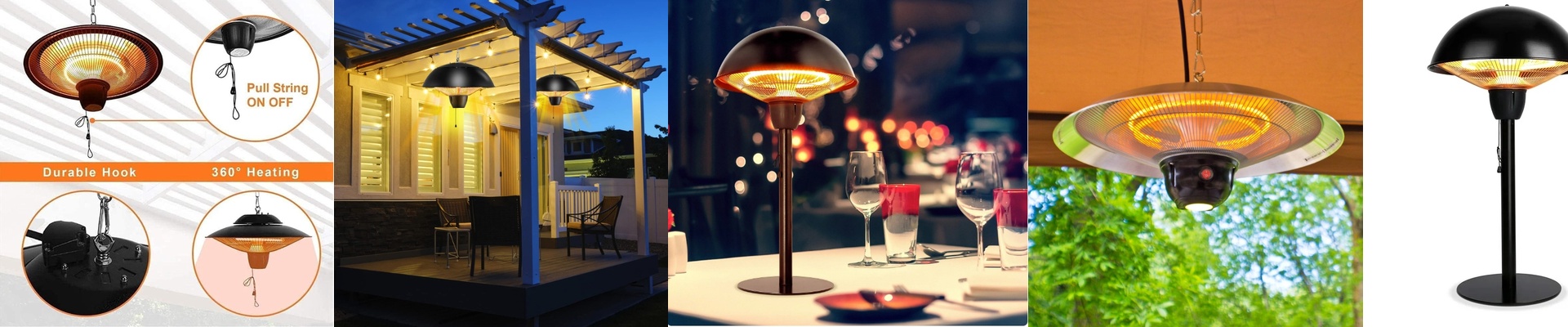
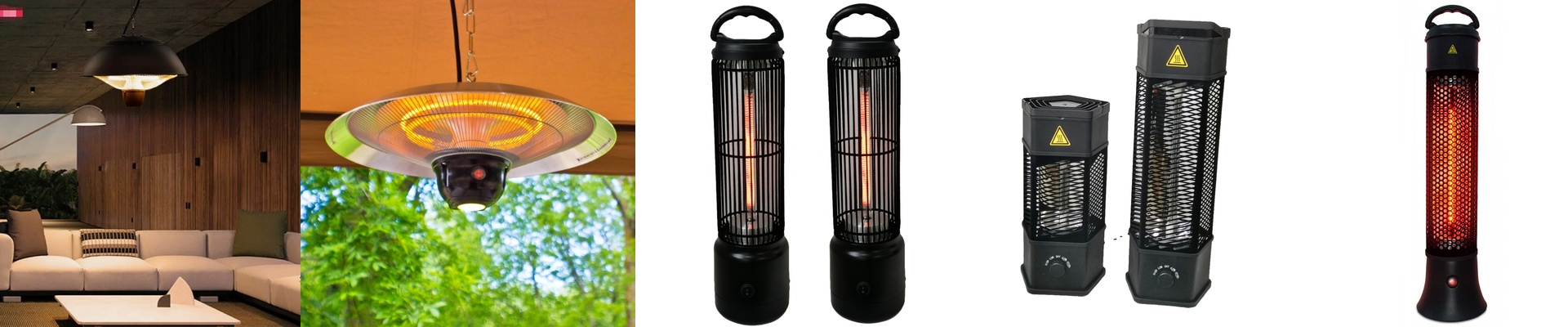
We built these small-room infrared heaters for one reason: to give you heat exactly where you need it, right now. Think workshops. Think tight workspaces. Think those little corners where the air just won’t warm up. They don’t waste time heating the whole room. Instead, they use halogen/quartz tubes to shine heat directly onto the target—like a warm spotlight. And if you want that heat to stay strong for years, you have to see the tube and reflector as the mechanical heart of the unit. They’re not just electrical parts; they’re the engine.
Technical Deep-Dive
The whole performance starts with the electrical side. We design each heater around a specific voltage and wattage density, so it can hit the temperature you need—fast. The tube length, the diameter, the wattage—it’s all matched up so the filament and the quartz envelope stay within their safe thermal limits. Swap in a tube that doesn’t match the rated voltage, and you’re asking for trouble. You’ll push the element too hard, shorten its life, and even change the kind of heat it puts out.
Material & Design
Inside the tube, the halogen cycle is quietly doing its job, keeping the filament stable by redepositing material that evaporates. But it only works when the tube wall stays hot enough, and that depends on clean surfaces and solid seals. If the outer tube gets dusty, it acts like a blanket—insulation that forces the tube to work harder just to deliver the same radiant heat. That extra strain stresses the quartz and hastens the end of its life. And don’t overlook the connector. The R7s base is an industrial-grade, straightforward electrical interface built to handle the repeated heat-up and cool-down cycles. It’s practical, too. When a lamp needs replacing on the floor, you can swap it quickly without wrestling with fragile connections.
Application & Benefits
In a small room, the heater usually sits close to the work area, and that’s where radiant efficiency shines. Keep the tube and reflector clean, and the heater delivers steady heat with energy use you can count on. Let grime build up, and the unit will strain to keep up. It’ll run hotter, work harder, and still leave you cold. Maintenance isn’t optional. When the heater cools, give the tube a wipe. Keep the reflector free of grime. And make sure those R7s connections stay snug. One more thing: higher wattage density means faster heat-up, but it also needs proper ventilation so the area around the heater doesn’t get too hot.