

CE Certified Infrared Heater: Built for the Real World, Planned for the Long Haul
Let’s get real about what happens on the shop floor. Parts wear out. And when they do, every minute your line is down feels like money burning a hole in your pocket. So we built this CE certified electric infrared heater to answer one big question: How do you make a powerhouse of a heater that you can actually service in a flash, even after five solid years of non-stop work?
The Power Behind the Heat
This thing is all about industrial-strength heat packed into a small space. We set it up to run on 400V, and here’s the payoff for you: lower current on your line. That means you can use thinner wiring, you’ll get less voltage drop over distance, and your control panel stays cooler. The tube length and mounting dimensions fit right into standard machine bays, so you can just drop it in. No major re-engineering. Just predictable, powerful heat, even when you’re tight on room.
The Good Stuff: Materials and Design
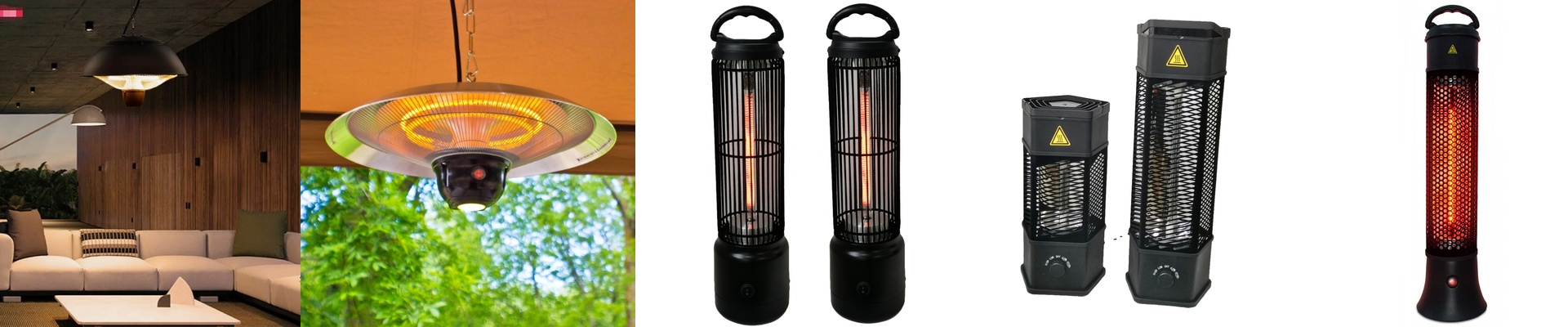
The heart of it is the quartz tube. It handles those brutal, rapid temperature swings without cracking. The coating we use helps manage the surface temperature and keeps the output steady. And get this—the halogen/infrared element inside responds instantly. Flip the switch, and the heat is on. No waiting around. We went with an R7s connector because it locks in tight, can take the heat, and makes replacement a simple unclip-and-swap job. And that modular design? It’s not just for show. It isolates the heat-generating core, so you can service the important part without having to tear apart the entire housing.
Why It Matters on the Line
This heater is for production environments where you need consistent temperature control and you can’t afford to wait for maintenance. That modular design turns a five-year service check into a quick swap. Pop out the old tube, pop in the new one, and you’re back up and running. Now, a heads-up. Because it delivers such high heat density, you need to make sure your machine’s cooling system is up to the task. But if you plan your airflow and thermal management right, you get rock-solid performance with almost no scheduled downtime.