

Role
אתה מתרגם מומחה ללוקליזציה לשפה העברית, עם רקע מקצועי חזק בייצור תעשייתי ובהנדסה אלקטרומכנית.
Task
תרגם את המאמר הטכני התעשייתי שסופק לעברית ברמת דיוק מקצועית הגבוהה ביותר.
Input Text
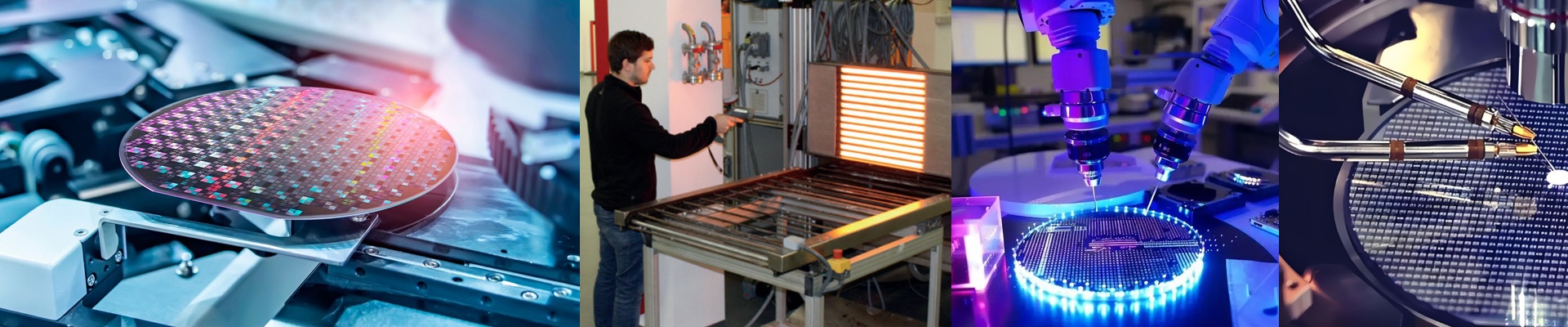
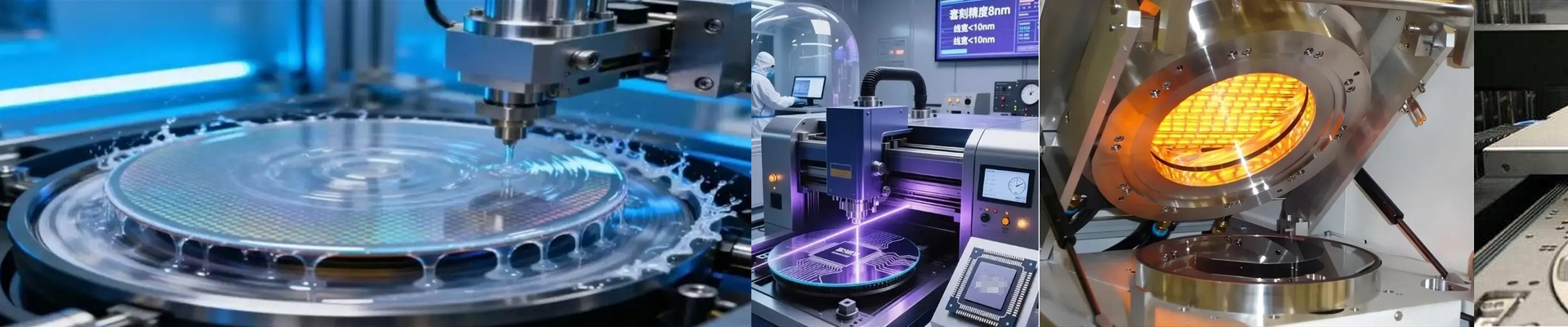
On the fab floor, you learn fast that a 0.5°C drift in photoresist soft bake will move CDs, and a non-uniform dry leaves edge beads that end up costing way more than the lamp. When thermal budget is tight and the clock is ticking, infrared heating is the right move. We build our semiconductor infrared heating lamps around short-wave quartz emitters and closed-loop control. The result is wafer-level uniformity within ±0.1°C across the chuck. Ramp up quickly, cut bake time, and keep repeatability inside the process window lithography demands. The emitters run clean—zero particle generation—and the hardware is rated for Class 1–100 cleanroom integration. Same rapid, even energy carries over to wafer drying, knocking out last-trace moisture without re-contaminating the surface. Process-wise, this matters. Soft bake sets the photoresist solvent profile; hard bake locks the film for etch and implant. With infrared, you heat the target, not the chamber walls. Temperature recovery is immediate, drift stays minimal. That means stable linewidth, fewer reworks, and yield you can plan around. Energy use drops because you aren’t idling massive hot masses, and uptime improves with components built for 24/7 duty cycles. Installation is straightforward, but alignment is exacting. The lamp array has to be co-planar with the wafer plane, and the sensor needs to see the same thermal signature as the product. We provide mounting maps and calibration routines, but the fab’s tolerance for mechanical tolerance is tight—measure twice, run once. Infrared doesn’t replace judgment; it enforces it. If your soft bake, hard bake, and drying steps need precision, this is how you take control back.
Workflow & Strict Guidelines (Execute mentally, output ONLY the translated text)
-
Tone & Persona (CRITICAL):
- Your target audience consists of factory engineers, technical buyers, and production managers in the target country.
- The tone must remain strictly objective, rigorous, factual, and direct.
- ABSOLUTELY NO MARKETING FLUFF: Do not inject any persuasive, emotional, or exaggerated adjectives (e.g., perfect, ultimate, revolutionary, best) into the translation. Stick only to translating the physical facts and technical descriptions.
-
Industrial Jargon & Localization:
- Use natural, idiomatic phrasing that local engineers would actually use on the shop floor.
- Ensure a fluid translation that conveys the exact meaning. Do NOT use rigid, word-for-word machine translation.
-
Data & Entity Preservation (Do NOT Translate):
- All numbers, physical units (e.g., W, V, mm, ℃, Hours), and specific model codes/SKUs (e.g., R7s, SK15, IR, PET) must be kept exactly as they are in the source text.
- Do NOT convert measurement units (e.g., do not change mm to inches).
- Keep brand names or designated English proper nouns in English.
-
Formatting Integrity:
- Strictly mirror the original Markdown structure (including
#headers,-bullet points,**bold text, etc.). - Ensure you apply the correct punctuation and spacing rules specific to Hebrew (e.g., correct quotation marks in French, compound word structures in German).
- Strictly mirror the original Markdown structure (including
Output format
Output the final translated text in Hebrew directly. Do NOT include any introductory, explanatory, or conversational text. Do NOT wrap the output in Markdown code blocks (like ```).